THE JOURNEY OF VENERABLE THÍCH TRỪNG SỸ: ORDINATION, BUDDHIST STUDY AND PRACTICE, EDUCATION, AND DHARMA PROPAGATION
1. Family Background
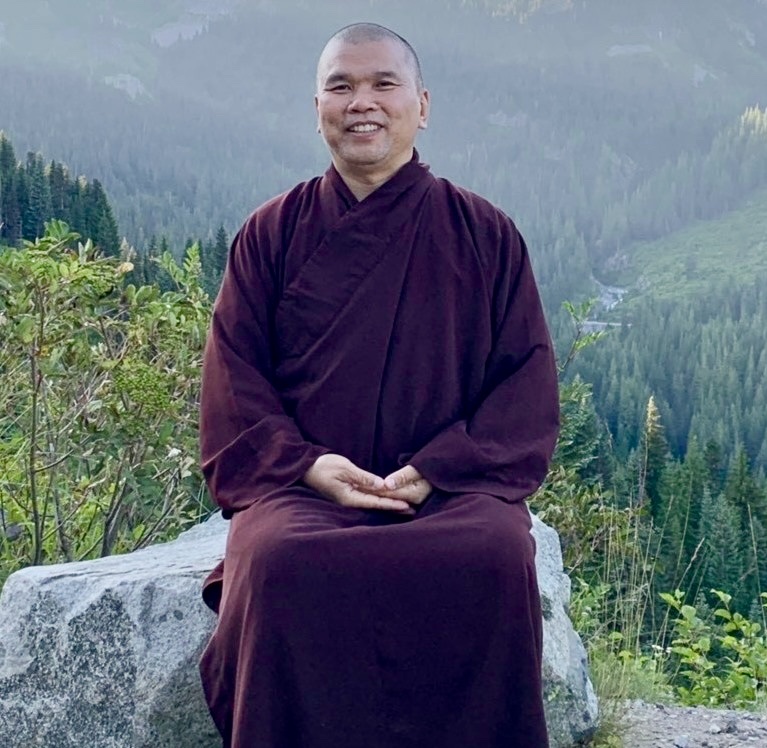
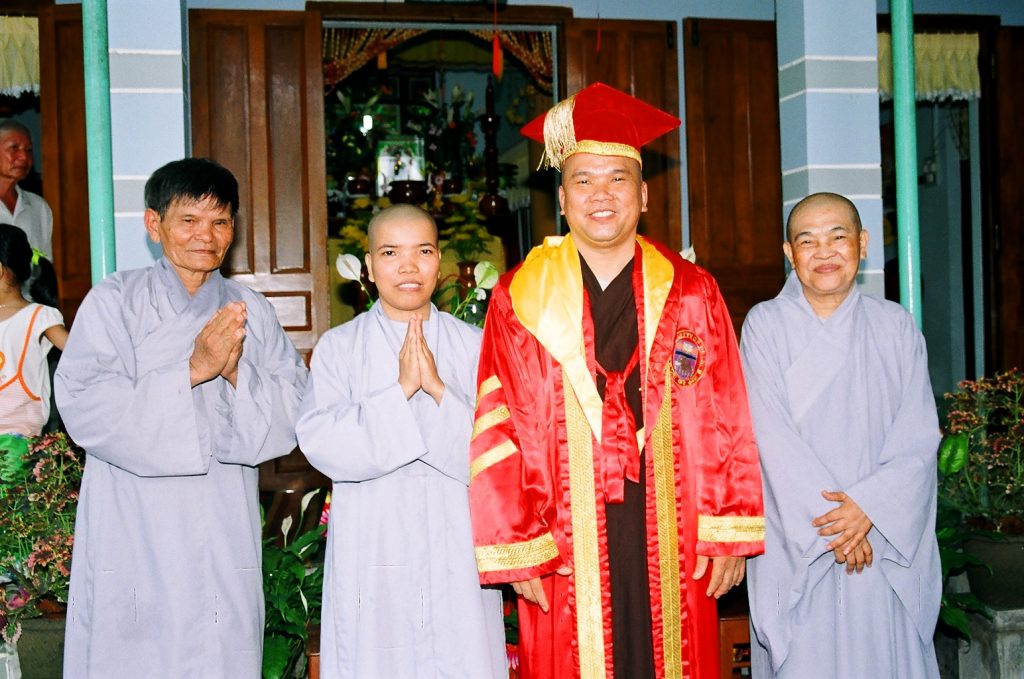
Venerable Thích Trừng Sỹ, whose lay name is Đỗ Văn Quý, is the son of Mr. Đỗ Văn Riệu, Dharma name Trừng Diệu, and Mrs. Nguyễn Thị Rát, Dharma name Tâm Xuân, from Vĩnh Phương Commune, Nha Trang City, Khánh Hòa Province, Vietnam.
His parents and family had cultivated wholesome connections with the Triple Gem over many lifetimes. Through these wholesome conditions, in this present life, Venerable Trừng Sỹ was fortunate to develop the aspiration to enter monastic life, study and practice the Buddha Dharma, engage in Buddhist education, propagate the Dharma, and serve the Triple Gem.
According to his parents’ account, Venerable Trừng Sỹ was born at 6:00 a.m. on the fifth day of the first lunar month in the Year of the Monkey, 1968, in Nha Trang City, Khánh Hòa Province, Vietnam.
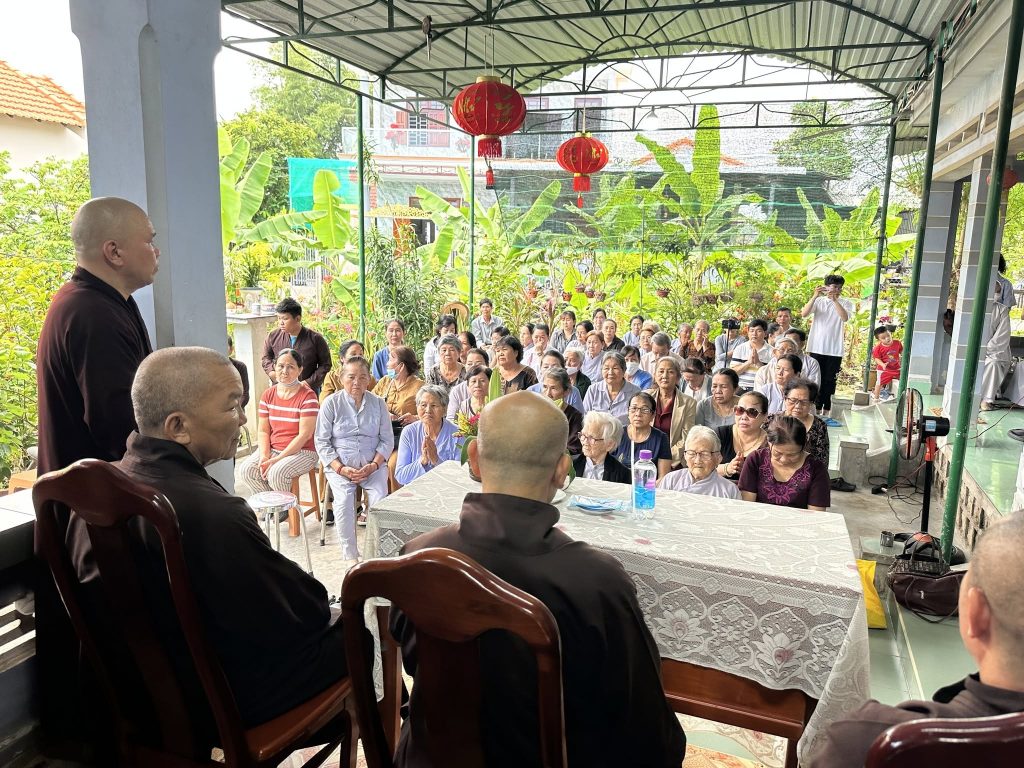 He is one of ten siblings in his family. Notably, his youngest sister, Đỗ Thị Hữu Lượng, Dharma name Hạnh Quang, also developed the aspiration to enter monastic life in 2007 at Phước Long Buddhist Nunnery in District 9, Ho Chi Minh City. She received full Bhikkhunī ordination in 2013 and earned a Bachelor’s degree in Buddhist Studies from the Vietnam Buddhist University in Ho Chi Minh City in 2024.
 The family was the first educational environment that nurtured in Venerable Trừng Sỹ the wholesome seeds of goodness, faith and reverence for the Triple Gem, and an aspiration toward monastic life. These wholesome conditions, together with his profound experiences of life, gradually became the foundation for his later journey of monastic life, Buddhist study and practice, education, and Dharma propagation.
2. Causes and Conditions leading to monastic life
In 1983, his younger brother, Đỗ Văn Tứ, passed away at the age of 15 at approximately 1:00 a.m. at Nha Trang Hospital in Khánh Hòa. Faced with the loss of a brother who was still so young, Venerable Trừng Sỹ began to develop a deeper awareness of the impermanent nature of life, the fragility of human existence, and the significance of seeking a path to overcome, subdue, and transform suffering.
That event became an important karmic condition that inspired Venerable Trừng Sỹ to develop the aspiration to enter monastic life. In 1985, after a period of reflection and with the consent and support of his parents and family, he entered monastic life and began his Buddhist study and practice at Linh Nghĩa Temple in Diên Khánh, Khánh Hòa, under the devoted guidance of his teacher, Most Venerable Thích Như Tịnh, Founder and Abbot of Linh Nghĩa Temple.
From that point onward, Venerable Trừng Sỹ’s life took a new direction: living a life of purity and discipline, studying and practicing the Buddha Dharma, and gradually preparing himself for a path of serving the Triple Gem and benefiting all sentient beings.
Looking back on this journey, the passing of his younger brother in 1983 was not only a profound loss for the family but also became an important karmic condition that led Venerable Trừng Sỹ to contemplate more deeply the nature of impermanence. This, in turn, inspired him to explore the path of monastic life, with the aspiration to attain awakening and liberation.
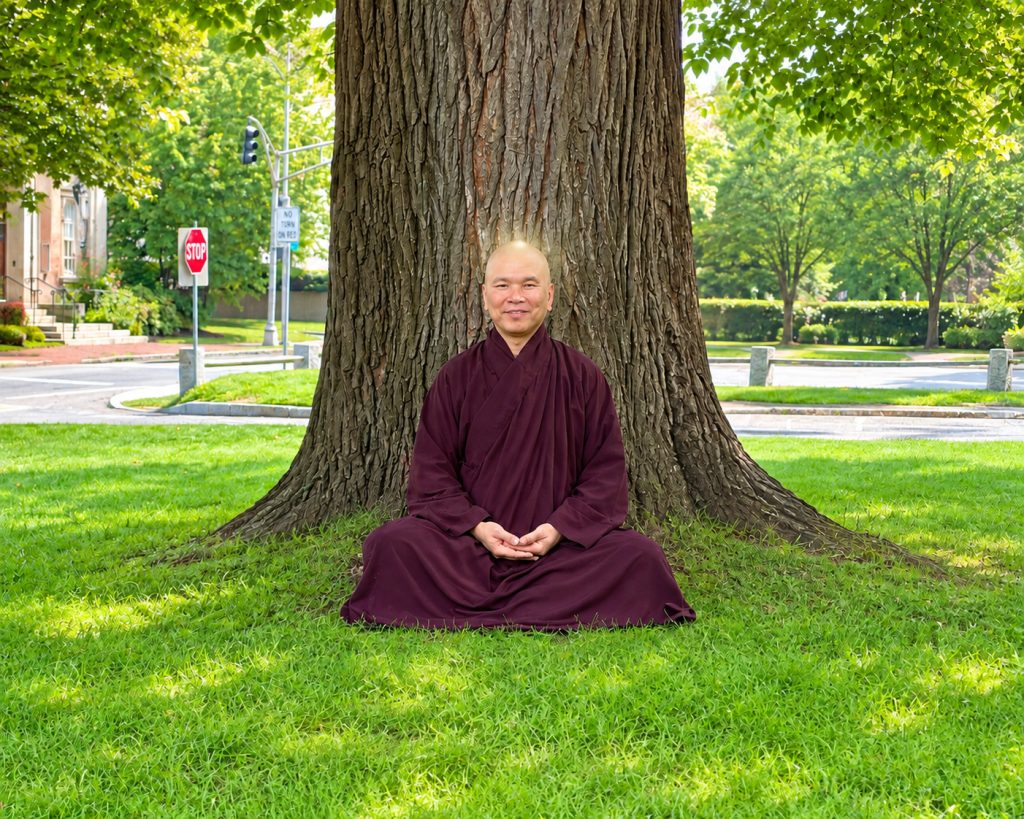
3. The Journey of Ordination, Buddhist Study, and Practice
After entering monastic life at Linh Nghĩa Temple, Venerable Trừng Sỹ gradually pursued Buddhist study and practice and received the monastic precepts according to the Mahayana Buddhist tradition.
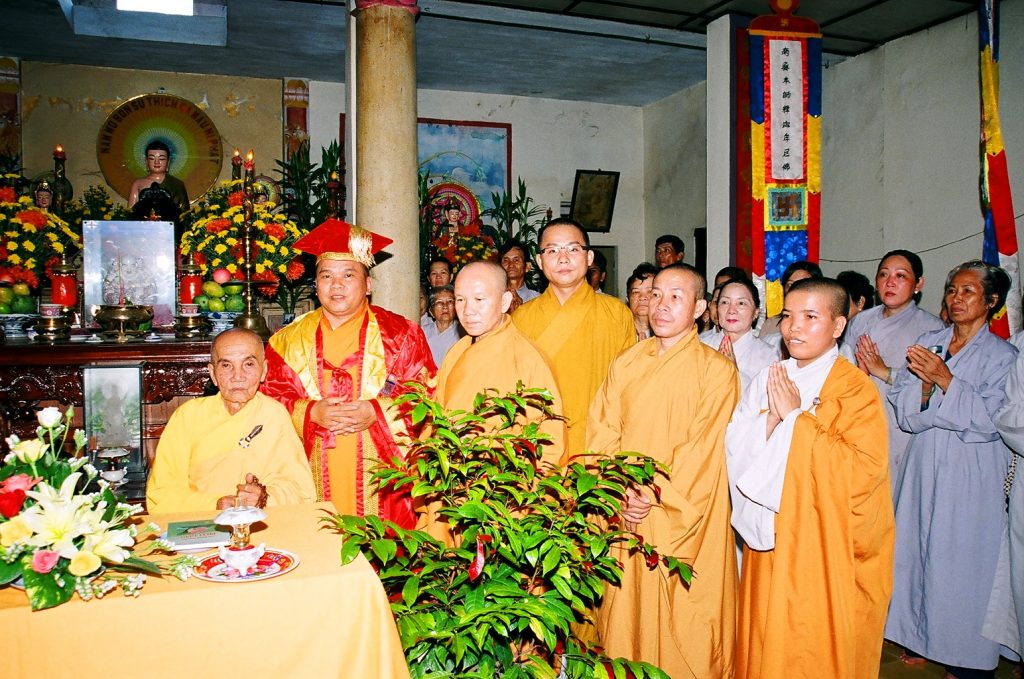
In 1987, he received novice ordination (Sāmaṇera). In 1990, he received higher ordination at Linh Nghĩa Temple. In 1993, he continued his ordination journey by receiving full Bhikkhu ordination at the First Trí Thủ Great Ordination Ceremony, held at Long Sơn Temple in Nha Trang, Khánh Hòa.
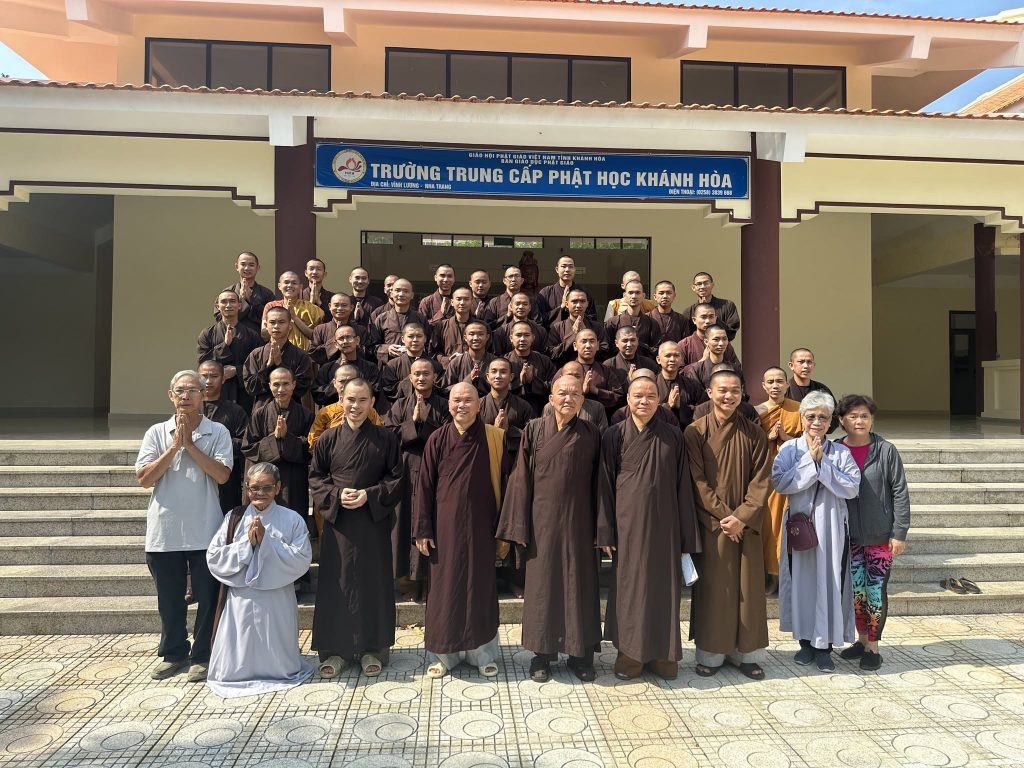 Alongside his Buddhist study, practice, and observance of the monastic precepts, he continued his Buddhist training at various Buddhist monasteries under the guidance of many Most Venerable Elders and Dharma teachers.
Period: 1990–1994
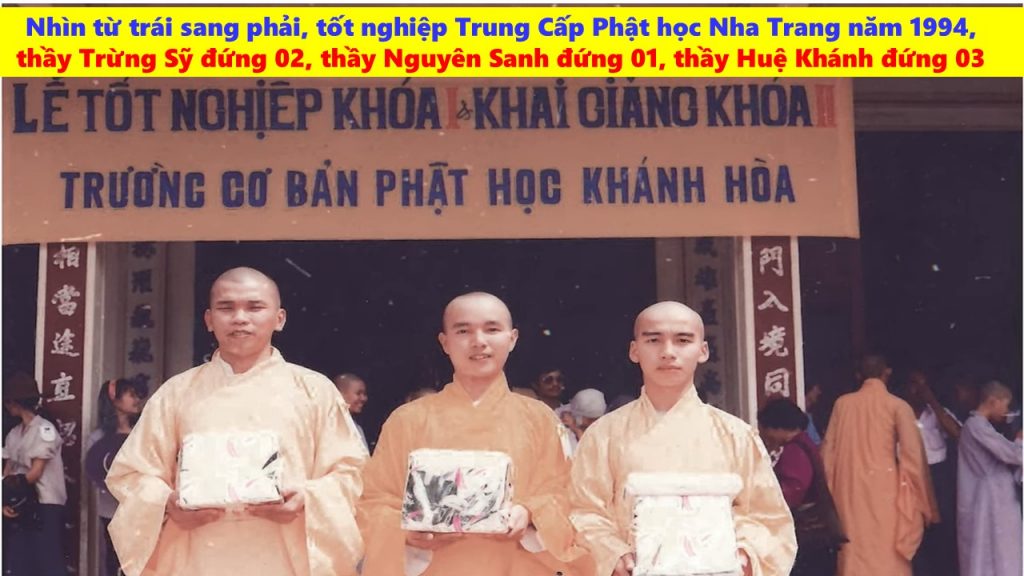
From 1990 to 1994, he studied and practiced at Linh Sơn Cầu Dứa Temple in Vĩnh Ngọc Commune, Khánh Hòa Province, under the devoted guidance of Most Venerable Elder Thích Như Ý. During this period, he enrolled in the first cohort of the Intermediate Buddhist Studies Program in Nha Trang and graduated with the second-highest academic ranking in his class.
Period: 1994–1997
From 1994 to 1997, he studied and practiced at Thiên Phú Temple in Vĩnh Thạnh Commune under the guidance of Most Venerable Elder Thích Chơn Kiến.
During this period, in addition to continuing his study and practice of the Buddha Dharma, he also studied English and Chinese in classes in Nha Trang City, preparing himself with the language skills that would later support his academic studies and Dharma propagation.
Period: 1997–2001
From 1997 to 2001, through the special recommendation of Most Venerable Thích Thiện Bình and Most Venerable Thích Trí Tâm of the Khánh Hòa Provincial Buddhist Executive Committee, Venerable Trừng Sỹ continued his Buddhist studies and practice at Quảng Đức Zen Monastery in District 3, Ho Chi Minh City, under the guidance of Most Venerable Thích Hiển Pháp, Most Venerable Thích Thiện Pháp, and Most Venerable Thích Huệ Trí.
During this period, he studied at the Vietnam Buddhist University in Ho Chi Minh City, at the Van Hanh Temple campus in Phu Nhuan District, and graduated with a Bachelor of Buddhist Studies, ranking third in the fourth cohort.
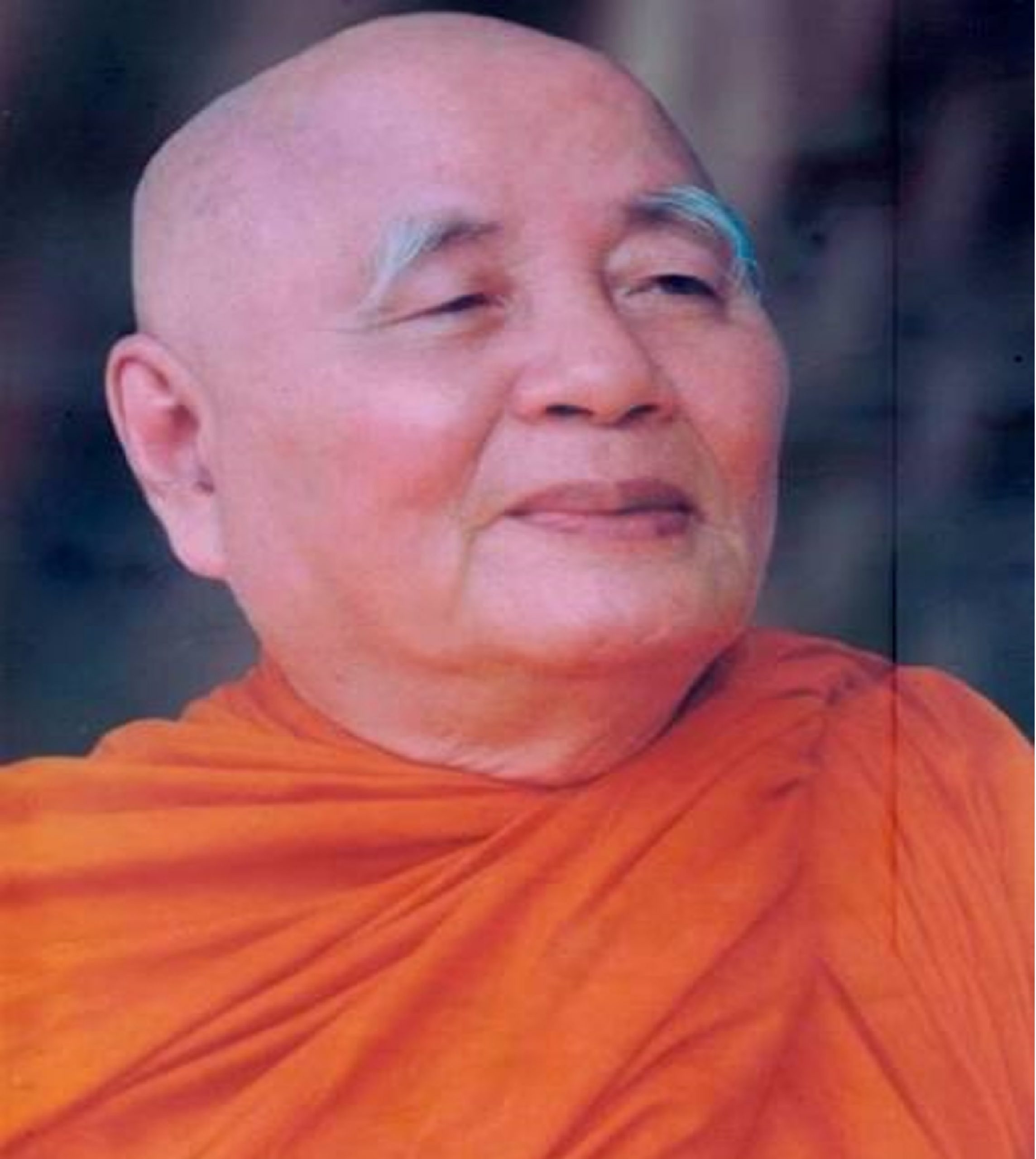
At that time, Most Venerable Professor Thích Minh Châu, Ph.D., served as Rector of the Vietnam Buddhist University.
 His years of Buddhist study and practice at various monasteries and Buddhist institutes gradually helped him establish a solid foundation in the Threefold Training of morality (Sīla), concentration (Samādhi), and wisdom (Paññā), while also broadening his knowledge of Buddhist studies, foreign languages, educational methodology, and Dharma propagation.
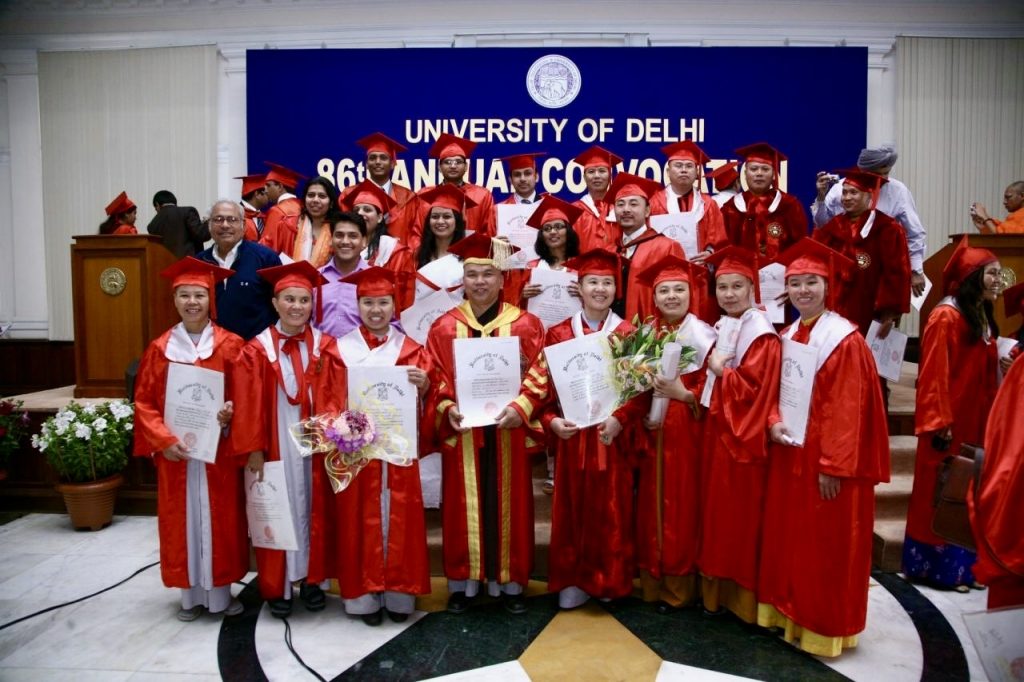 Subsequently, from 2006 to 2009, he continued his doctoral studies in Buddhist Studies at the University of Delhi, India.
On March 1, 2009, he completed his doctoral program and was awarded a Ph.D. in Buddhist Studies with distinction. His dissertation was entitled:
“Buddhist Education through an Analysis of the Five Nikāyas.”
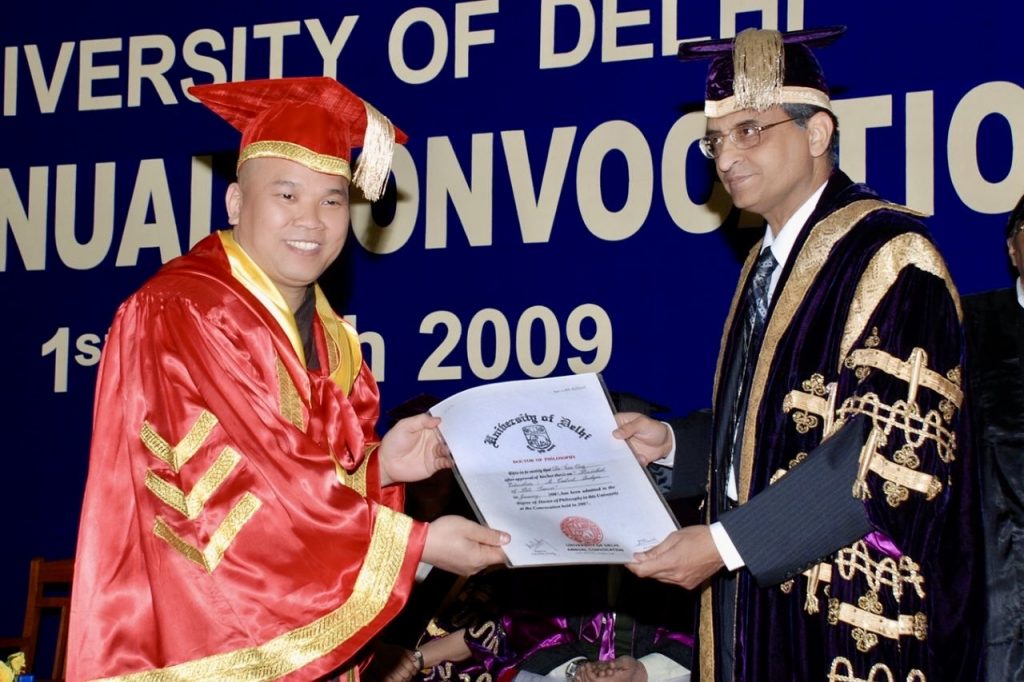 The research focuses on analyzing Buddhist education as presented in the five Nikāyas, thereby highlighting the value of the Buddha Dharma in educating people in the areas of understanding, ethics, meditation, wisdom, and a peaceful and wholesome way of life.
In 2009, after completing his Buddhist studies in Delhi, India, he returned to Vietnam. First, he went to Linh Nghia Temple, where he had first entered monastic life, to express his deep gratitude to his teacher, his parents, and the lay supporters and donors who had supported him throughout his Buddhist studies and training both in Vietnam and abroad. He then continued teaching and propagating the Buddha Dharma in his homeland.
Also in 2009, he received an invitation to teach the Buddha Dharma at the Vietnam Buddhist University, signed by Most Venerable Thích Trí Quảng, who was serving as the University’s Rector at the time.
 He prepared to teach the Buddha Dharma at the Institute. However, due to numerous Buddhist responsibilities and Dharma propagation opportunities in various places, the circumstances and conditions were not yet sufficient for him to begin teaching at the Institute. He respectfully asks the Venerable Masters for their kind understanding and compassion.
5. Dharma Propagation in Vietnam and the United States
After completing his studies and research in Buddhist Studies in India, he returned to Vietnam and continued his work in teaching, Buddhist education, and Dharma propagation for a short period.
On March 23, 2010, he came to the United States to propagate the Buddha Dharma and has resided in the United States ever since.
 Throughout his journey of Dharma propagation, he has always kept in mind the teaching of Most Venerable Thích Thiện Hoa, who served as Head of the Central Dharma Propagation Committee before 1975:
“Wherever sentient beings are in need, go there; wherever the Buddha Dharma is needed, go there; regardless of hardship, never shy away from difficulties.”
That teaching became an important guiding principle in his life of Dharma propagation: to go wherever there are people who wish to learn about Buddhism, understand and practice the Buddha Dharma, and explore the path to a peaceful and joyful life and the transformation of suffering.
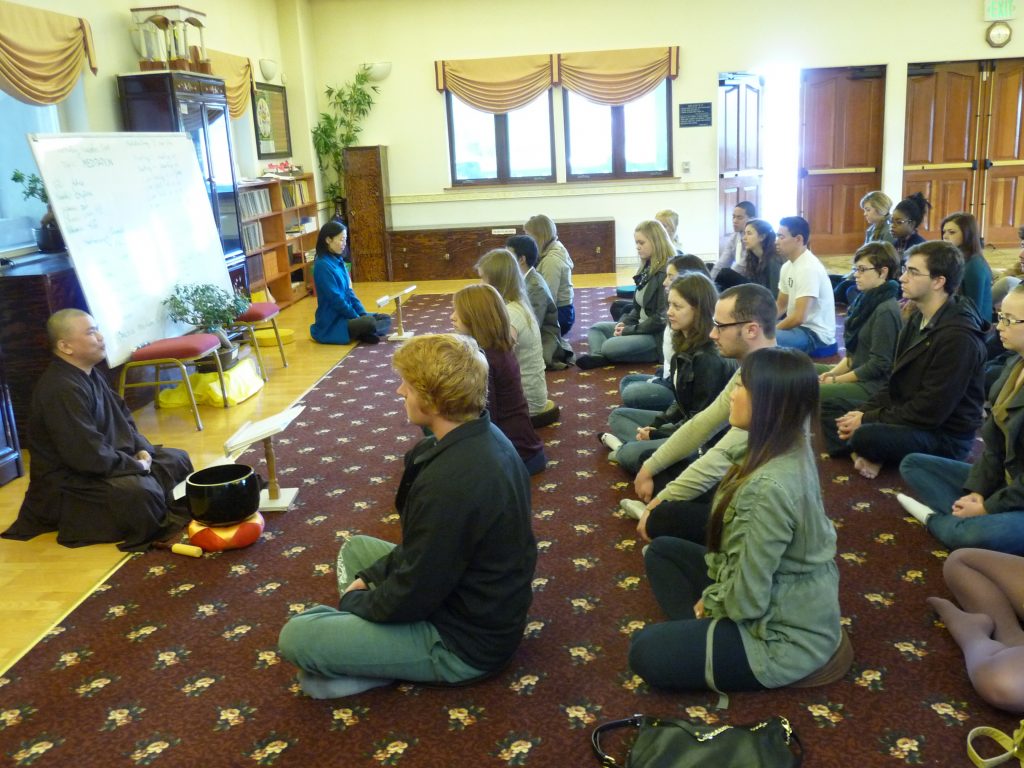 In 2012, he was invited by Dr. Kim, a Korean professor teaching at a university in Seattle, together with the Dharma Teachers Association, to give presentations on two topics: Meditation Practice and Family Education.
From 2015 to 2019, he continued his studies in Psychology at Austin Community College in Austin, Texas. His studies in psychology broadened his approach to understanding and working with people, particularly in integrating Buddhist education, meditation practice, and psychological and social well-being.
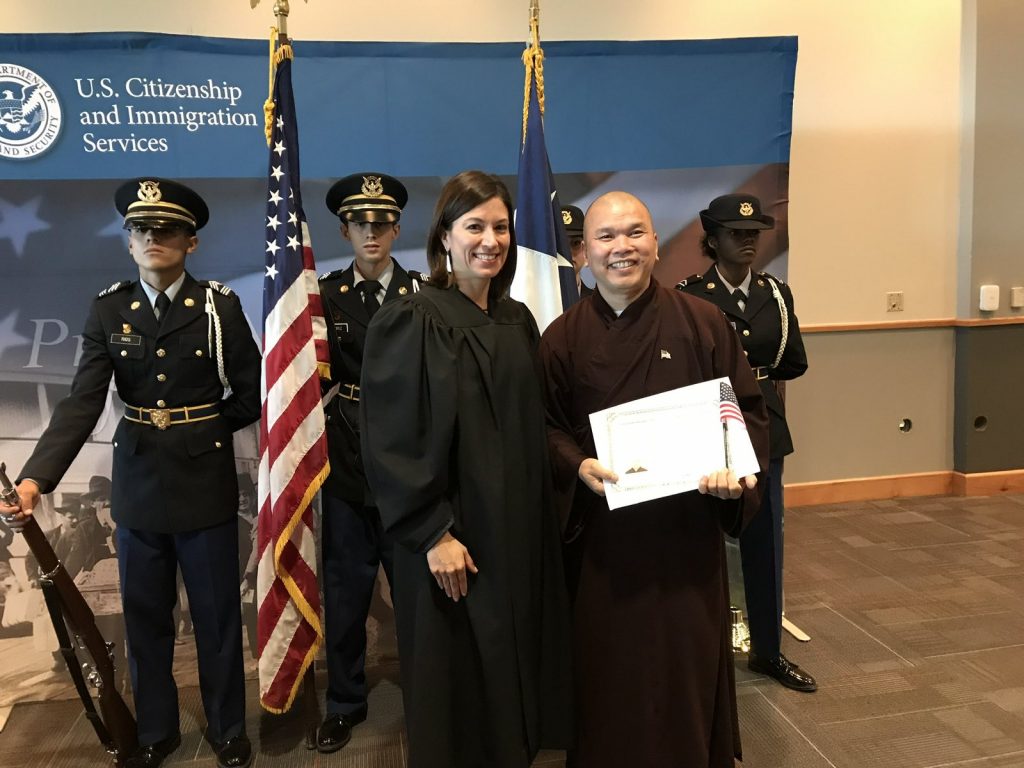 In 2018, he passed the U.S. citizenship examination and officially became a U.S. citizen.
In 2019, priests at a church in San Marcos, Texas, invited him to give a presentation and share teachings on the Noble Eightfold Path. This was also an expression of interfaith dialogue, through which he shared Buddhist values of ethics, peace, and well-being with the broader society.
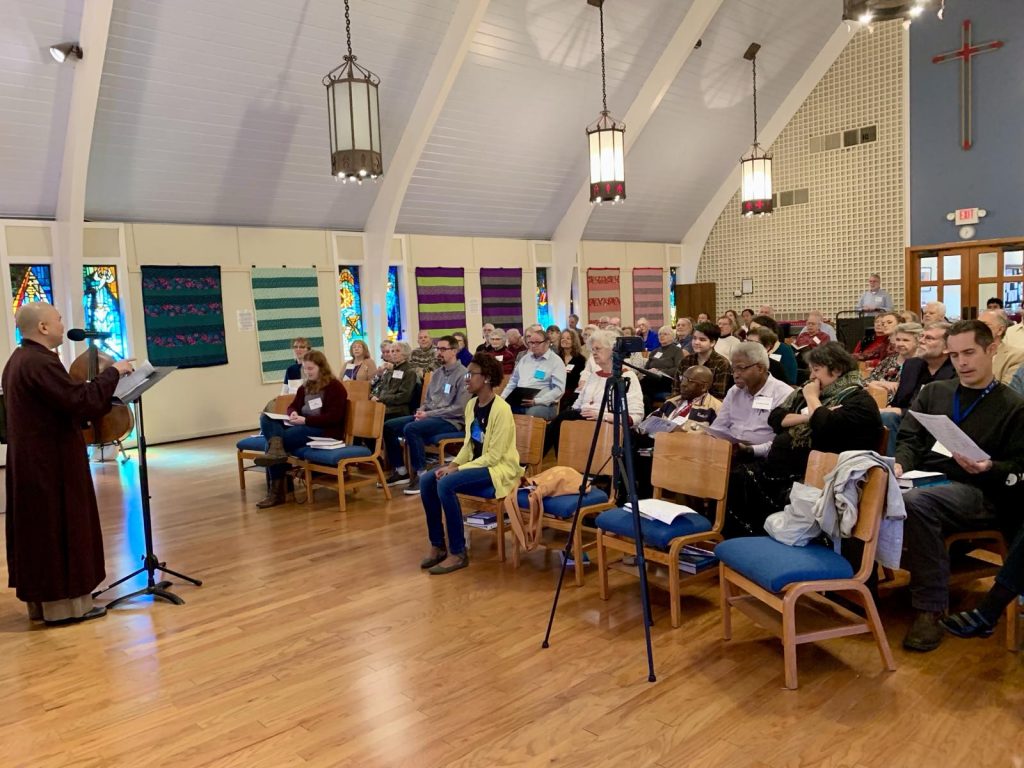 Throughout his Buddhist studies and Dharma propagation overseas, he has had the opportunity to share the Buddha Dharma in various countries.
In Australia, he propagated the Buddha Dharma in 2007 and 2017.
In Japan, he propagated the Buddha Dharma in 2019 and 2026.
In France, Germany, Sweden, and the Netherlands, he undertook Dharma propagation trips in 2025 and 2026.
In the United States, he has engaged in Buddhist studies, teaching, Buddhist education, and Dharma propagation in many states, including Massachusetts, Ohio, Michigan, Illinois, California, Washington, Virginia, Texas, and elsewhere.
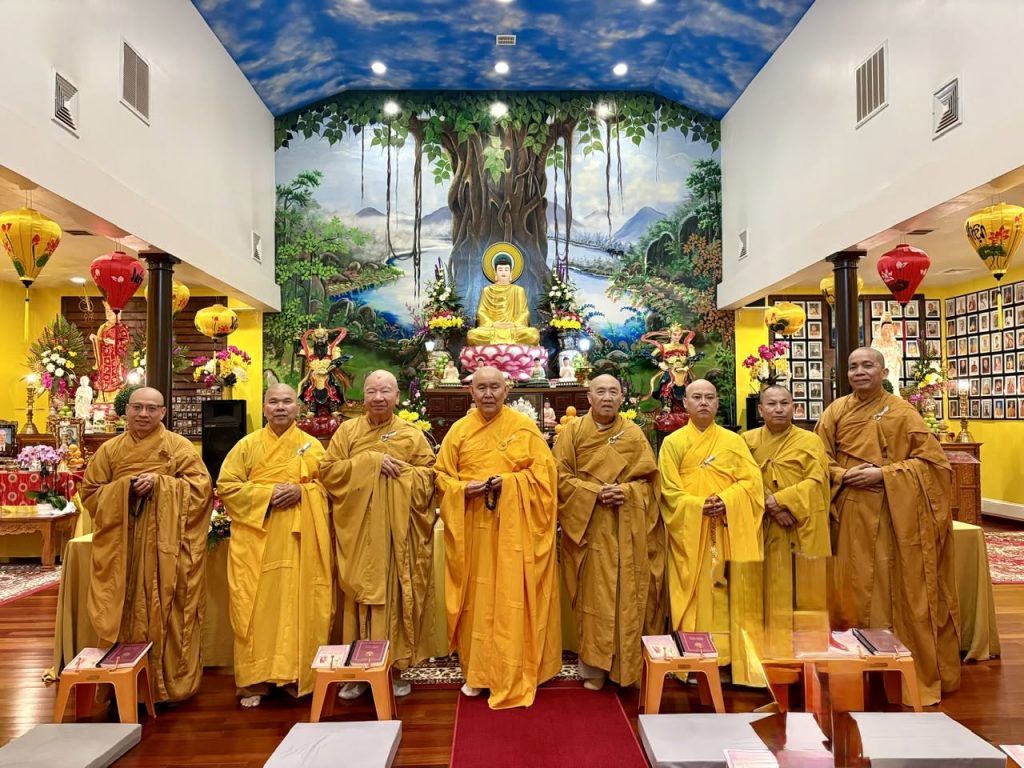 In 2025, 2026, and 2027, he has participated in and accompanied the Intercontinental Dharma Propagation Delegation in the United States, led by Most Venerable Thích Như Điển. Through these Dharma propagation journeys, he has continued to contribute to Dharma propagation and Buddhist education, while spreading the spirit of loving-kindness, peace, service, well-being, and happiness for the benefit of the many, right here and now, in this very life.
6. Founding and Dharma Propagation at Pháp Nhãn Temple
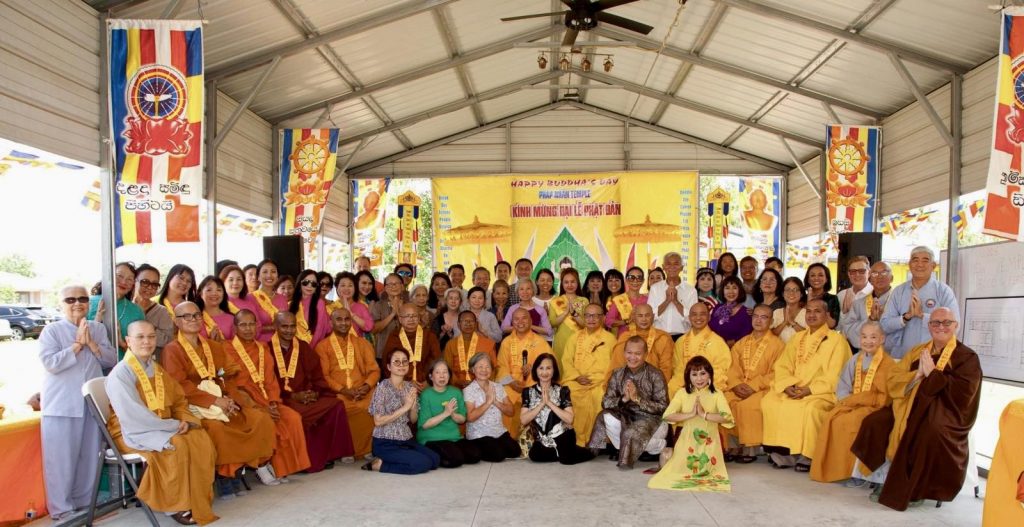
Since 2015, thanks to the generous offering of a house and approximately 2.55 acres of land by the Buddhist family of Diệu Tịnh, he has had the opportunity to establish and serve as the Founder and Abbot of Pháp Nhãn Temple in Del Valle, in the Austin area of Texas, where he continues his Buddhist practice, studies, and Dharma propagation.
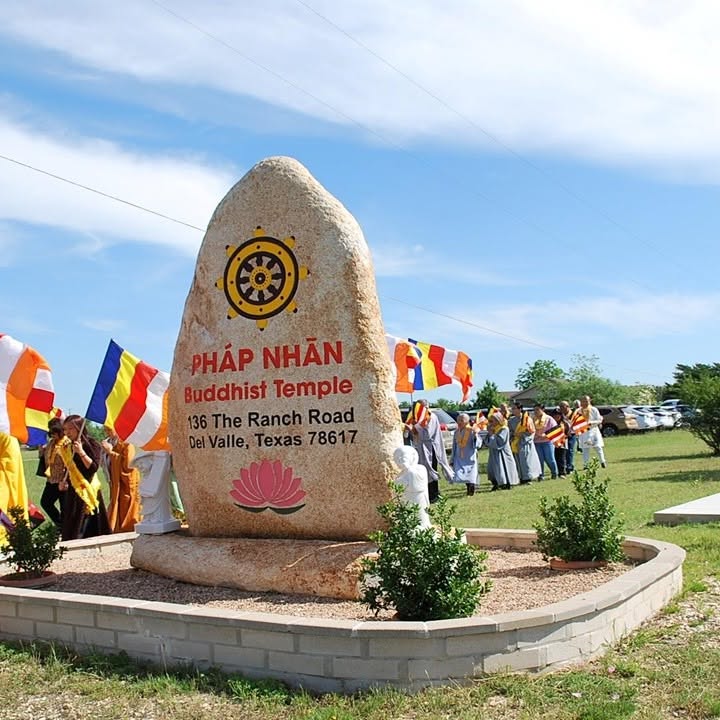
Pháp Nhãn Temple is a nonprofit organization recognized under federal law as a 501(c)(3) organization. It was established to provide an environment for Buddhist practice and study, Dharma propagation, Buddhist education, meditation practice, the teaching of the Buddha Dharma, and service to society.
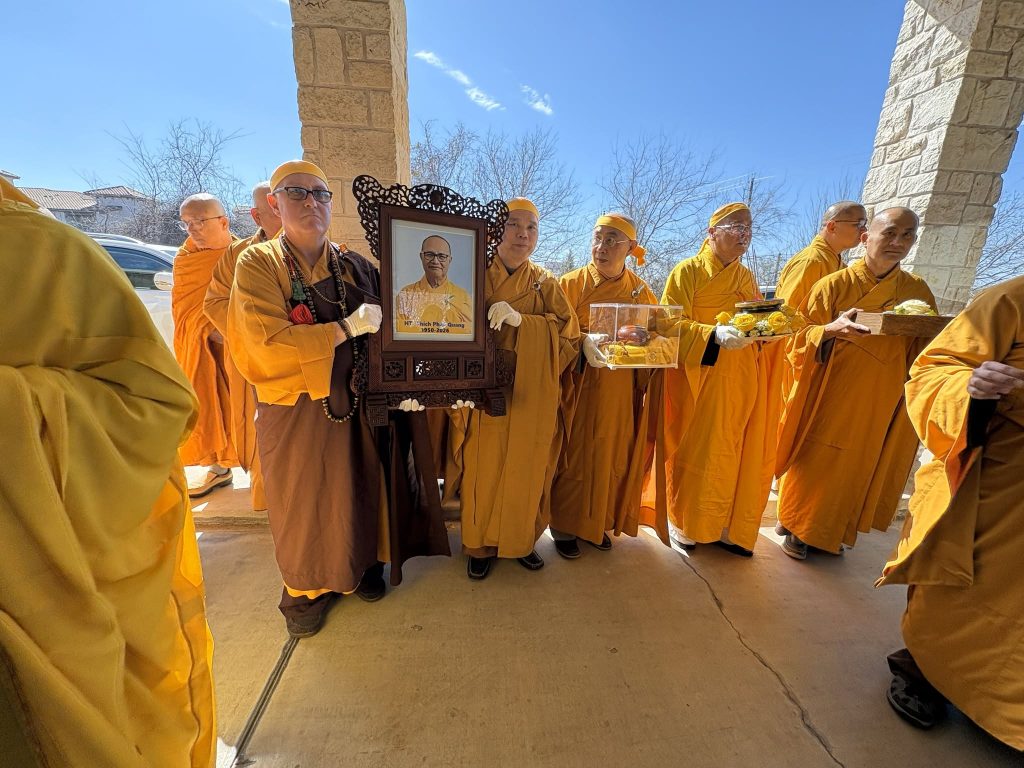 In 2026, before his passing, Most Venerable Elder Thích Pháp Quang generously offered his residence to Pháp Nhãn Temple to serve as a place for monastic and lay practitioners to engage in secluded Dharma practice. This was a precious karmic affinity for Pháp Nhãn Temple. We respectfully express our deepest gratitude to him for this noble offering. May his enlightened mind ascend to the Buddha realm.
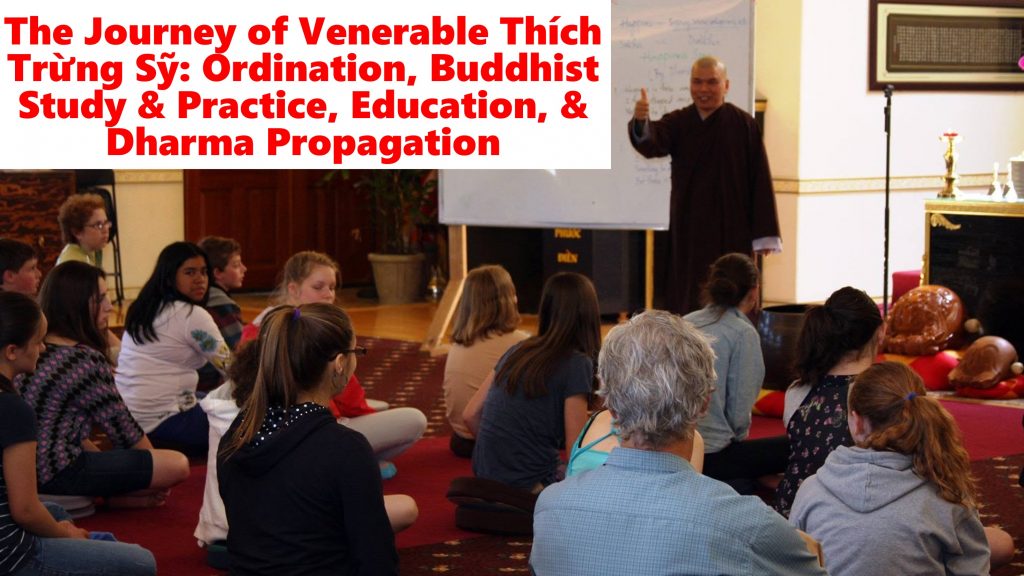
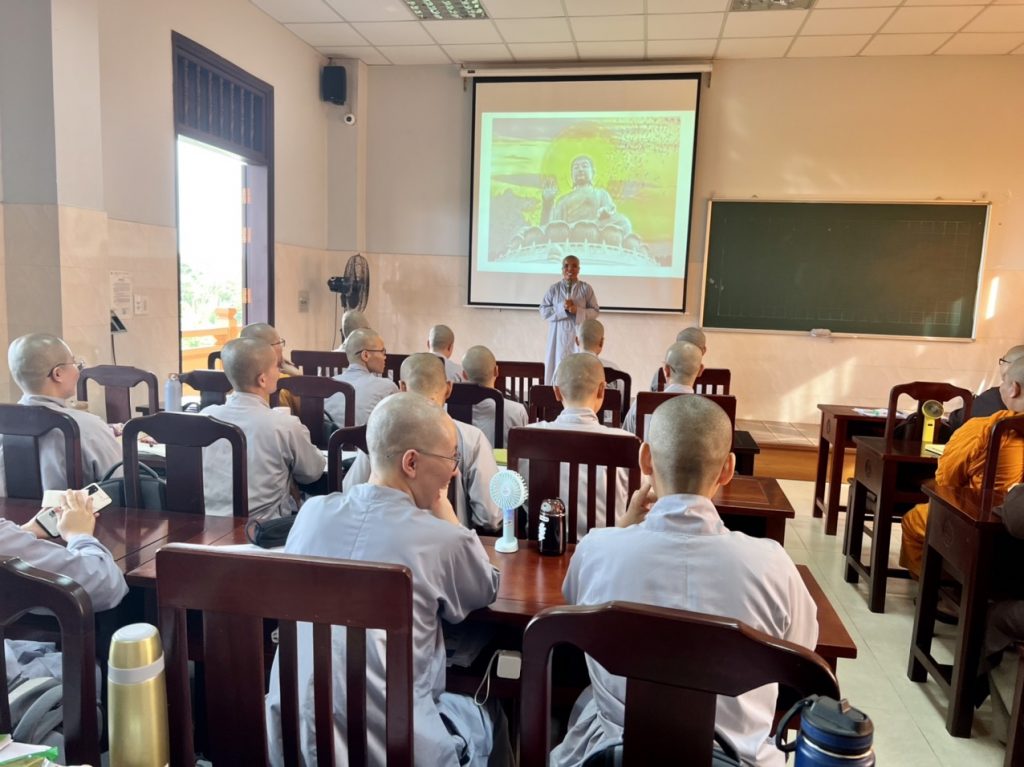
At Pháp Nhãn Temple, he teaches meditation and the Buddha Dharma to Buddhist devotees as well as those who are not yet Buddhists. The Dharma programs offered here help people gain a clear understanding of the Buddha’s teachings, practice mindfulness, develop loving-kindness and wisdom, and apply the Buddha Dharma to family life, education, and society.
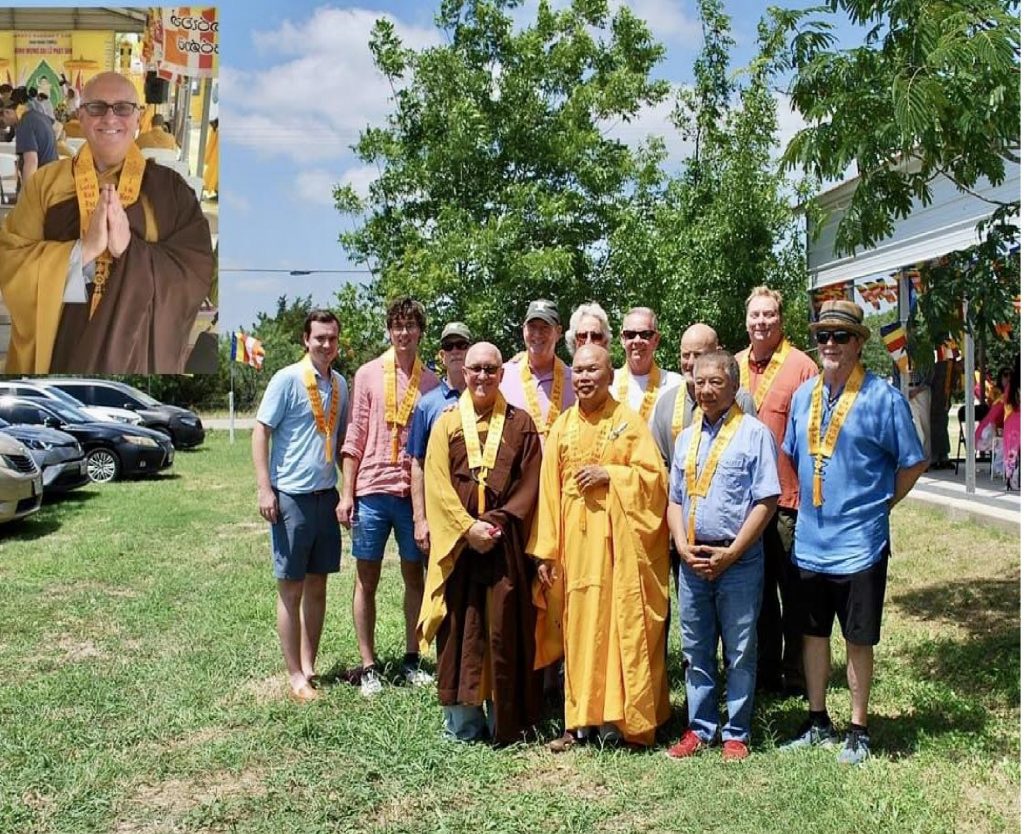 One of the notable milestones in the Dharma propagation journey at Pháp Nhãn Temple has been the emergence of individuals who have aspired to enter monastic life and carry forward a life of Buddhist study and practice.
Among them is Pháp Hỷ Lạc, an American who received novice ordination and became his teacher’s third monastic disciple in May 2024. In May 2026, during the solemn Vesak Celebration held at Pháp Nhãn Temple, Pháp Hỷ Lạc received full ordination in the presence of and with the support of Venerable Masters, Dharma teachers, and members of the Buddhist community from various places across the United States.
This event marked an important milestone in the development of Pháp Nhãn Temple, particularly in strengthening its monastic community, training monastics, and continuing to transmit the Buddha Dharma in the multicultural environment of the United States.
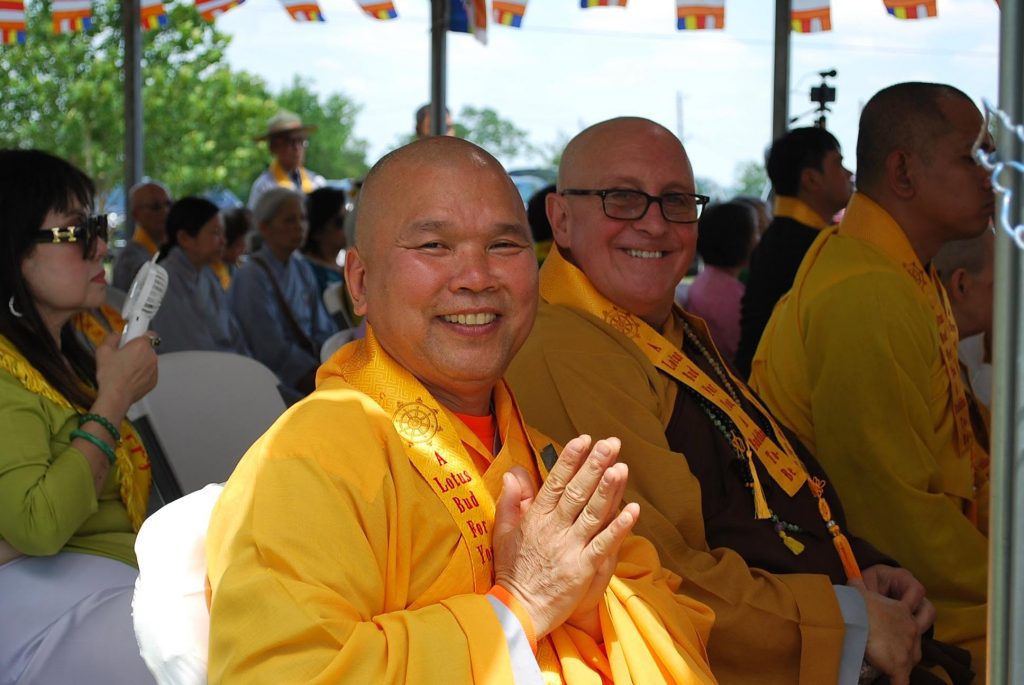 From Pháp Nhãn Temple, he has continued to teach and organize Dharma practice programs, meditation sessions, chanting services, Buddhist study programs, and other Buddhist activities, with the aspiration of bringing the Buddha Dharma closer to people’s everyday lives in the modern world.
7. A Forty-One-Year Journey of Buddhist Practice and Dharma Propagation
Looking back on the journey from his aspiration to enter monastic life in 1985 through 2026, he has devoted forty-one years to Buddhist practice, study, research, education, and Dharma propagation.
Those forty-one years have been a meaningful and enriching journey through many places, diverse learning environments, cultures, and karmic affinities: from his hometown of Nha Trang, Khánh Hòa, to Ho Chi Minh City; from Vietnam to India; from India to the United States; and from the United States to many countries and Buddhist communities around the world.
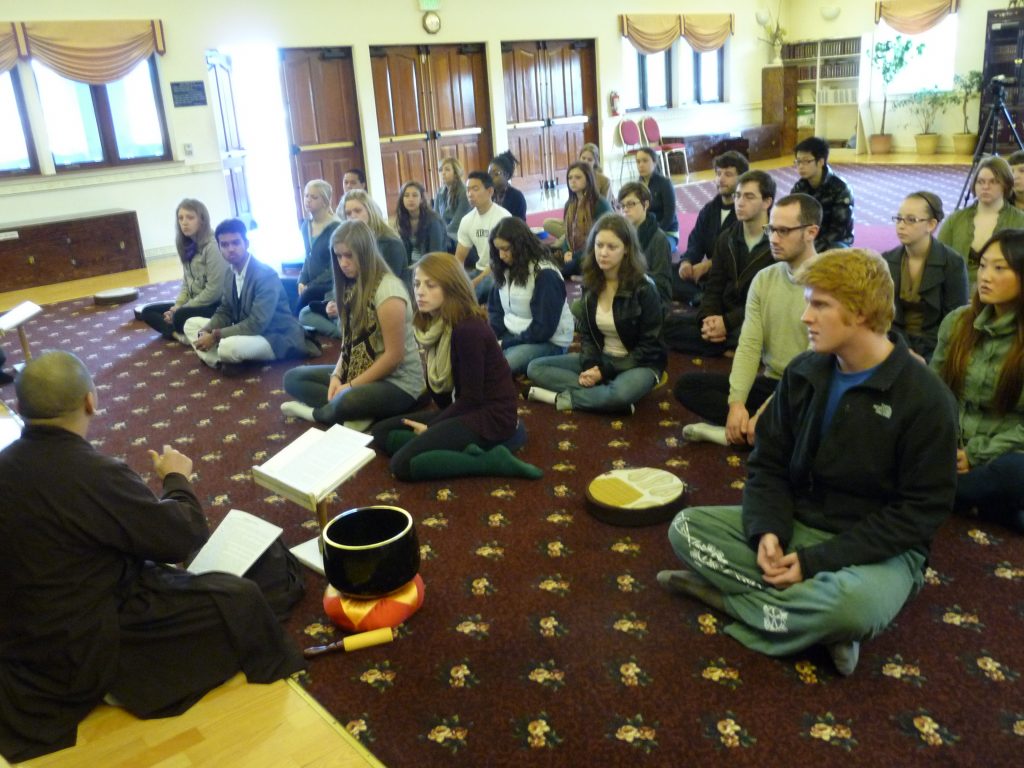 Throughout this journey, he has devoted his life to three interrelated dimensions: study and learning to develop understanding, practice to bring about transformation, and Buddhist education and Dharma propagation to serve humanity.
The ultimate purpose is not merely to accumulate knowledge of Buddhism, but also to apply what he has learned and practiced to everyday life; to help people recognize suffering, understand its causes, cultivate compassion, and develop wisdom, so that they may live with peace and joy, act responsibly, and bring benefit to themselves and others.
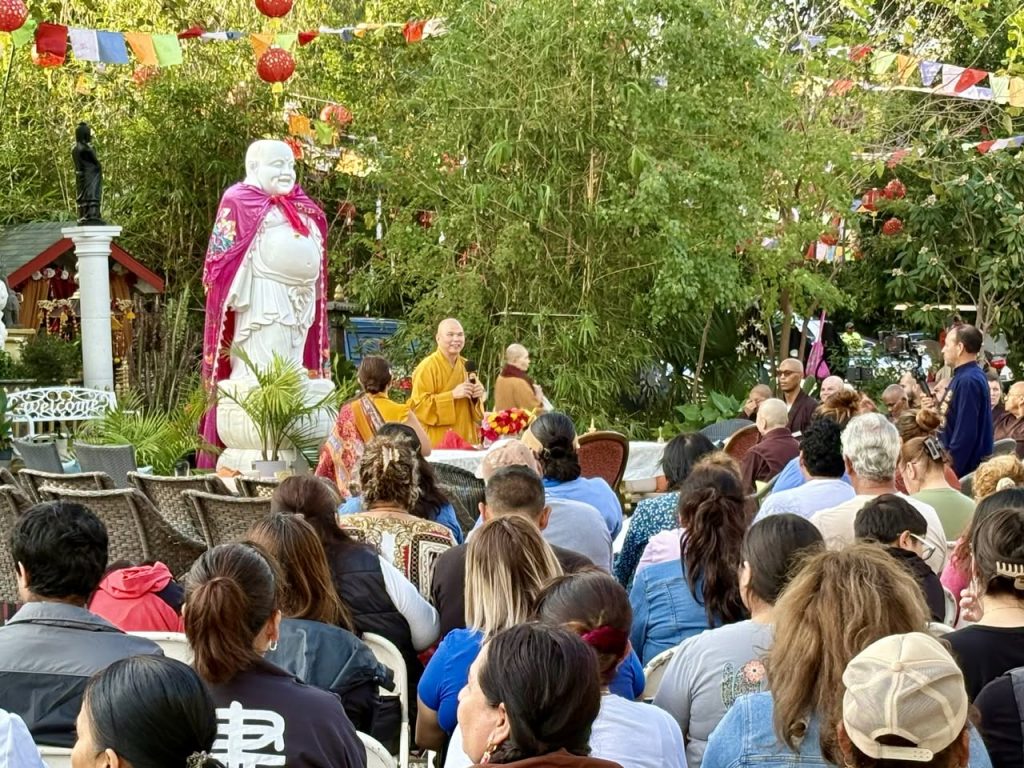 This path is expressed through the practice of Ethics, Concentration, and Wisdom (Sīla, Samādhi, and Paññā), through the practice of the Noble Eightfold Path, and through the aspiration to serve all sentient beings with compassion and wisdom.
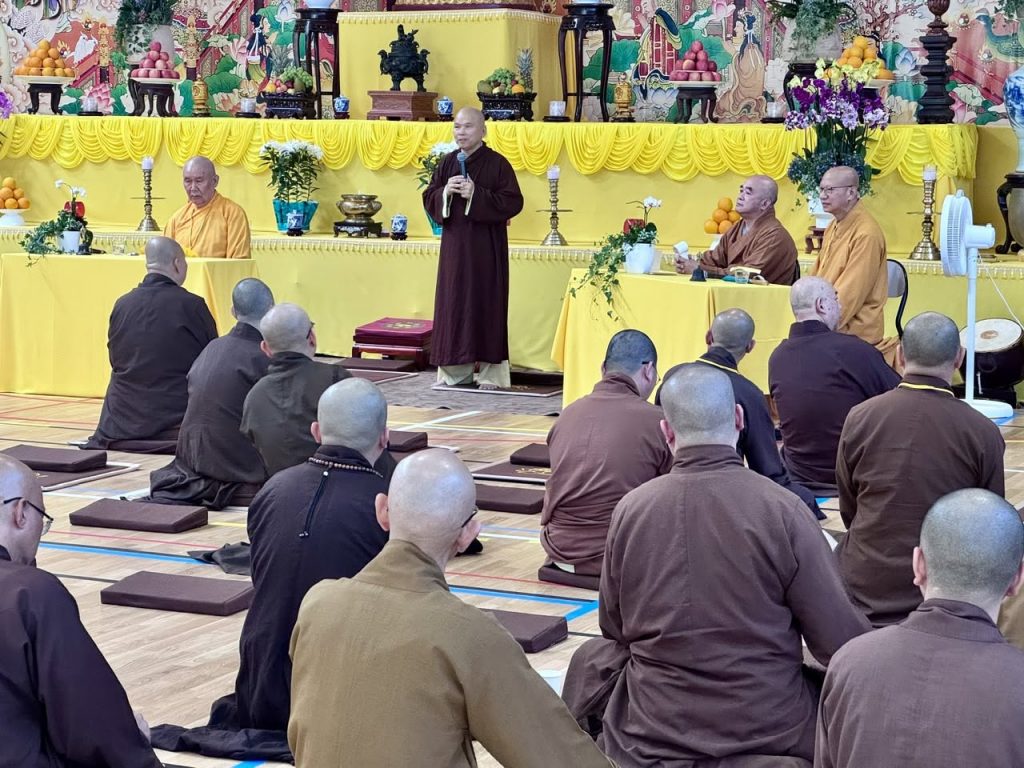
Looking back over forty-one years, this journey is more than simply a measure of time; it is also a journey of cultivating, nurturing, and strengthening Bodhicitta; learning from the Buddha, following in the footsteps of the Patriarchs, living by the True Dharma, and sharing the values of peace, well-being, and happiness with everyone.
A Journey of Forty-One Years
Related articles