Ven. Thích Trừng Sỹ Ven. Thích Pháp Nhãn
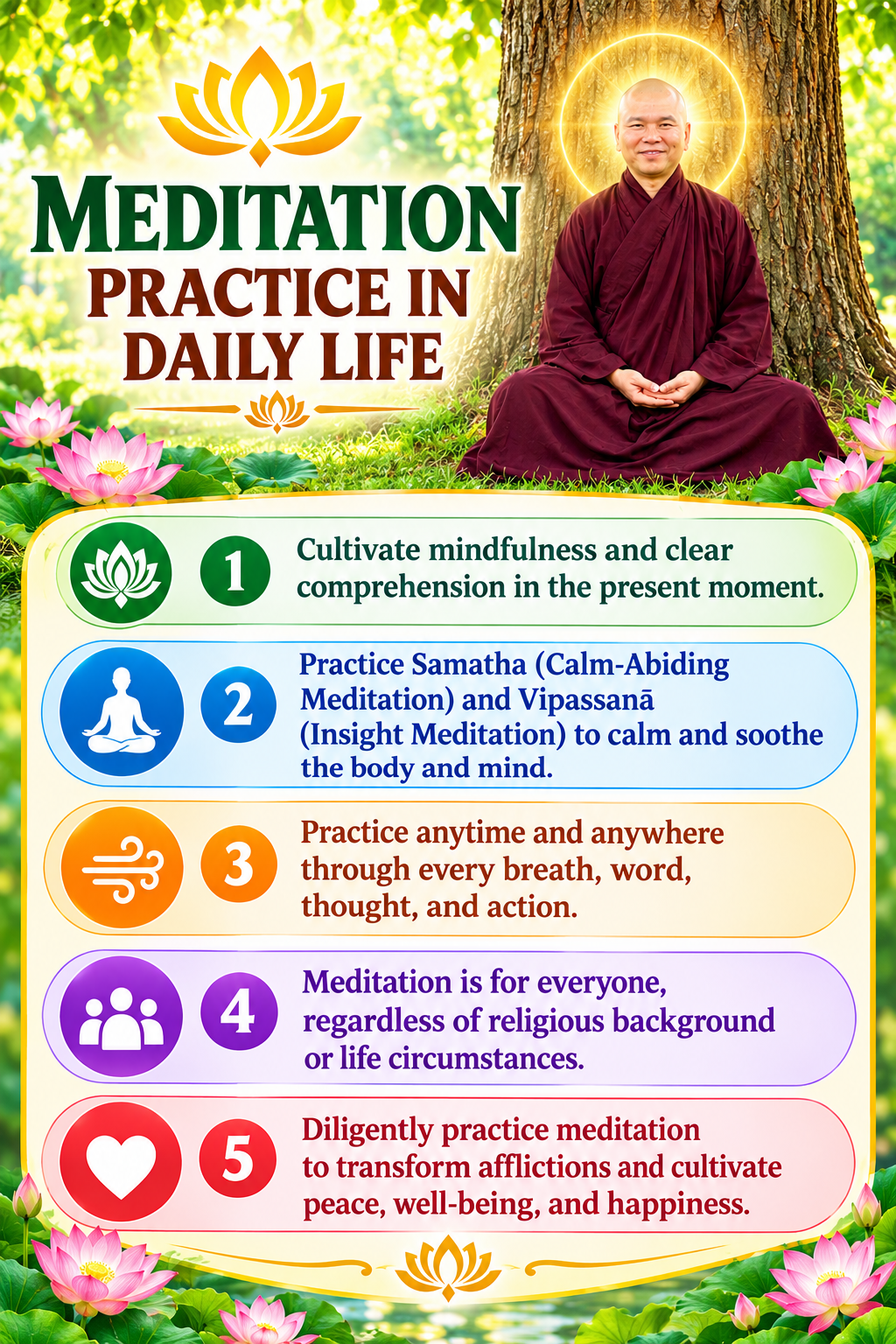
MEDITATION PRACTICE IN DAILY LIFE
Meditation is a practical method of training that helps us cultivate mindfulness, clear comprehension, concentration, and wisdom in our daily lives. Through Samatha Meditation (Samatha) and Insight Meditation (Vipassanā), we learn to calm the body and mind, recognize and transform mental afflictions, and develop compassion and wisdom.
Meditation is not limited to the sitting posture; it can be practiced anytime and anywhere through every breath, step, word, thought, and action. Practicing meditation regularly each day helps us nurture the seeds of peace and well-being, replenish our spiritual energy, and cultivate peace, joy, and happiness for ourselves and others. Let us diligently learn, practice, and apply meditation in the present moment, cultivating mindfulness and living with peace, clarity, love, and happiness in every moment of our lives.
Meditation is a valuable, effective, and practical practice that helps us live with mindfulness, clear comprehension, peace, and happiness right here and now, in our present lives. When we practice meditation diligently, consistently, and correctly each day, we can develop greater mastery of body and mind, as well as greater clarity, peace, and ease in our daily lives.
Meditation is essential spiritual nourishment for daily life, not only for adults but also for children. Whether we follow a religion or do not belong to any religion, we can all learn about, understand, and practice meditation in our daily lives, thereby bringing practical benefits to both body and mind. Indeed, meditation is not limited to religion but extends beyond religious boundaries. Anyone who wishes to cultivate peace and well-being in body and mind can learn about and practice meditation to benefit themselves and others. When our body and mind are peaceful and at ease, we can bring genuine peace and happiness to those around us. Conversely, when we are irritated, angry, worried, stressed, uncomfortable, and unsettled, it becomes difficult to bring peace and happiness to ourselves and others.
Therefore, meditation is very important and essential for everyone. Each of us can learn about and practice meditation right here and now, in our daily lives, to cultivate peace, clear comprehension, and happiness for ourselves while also helping bring peace and well-being to those around us.
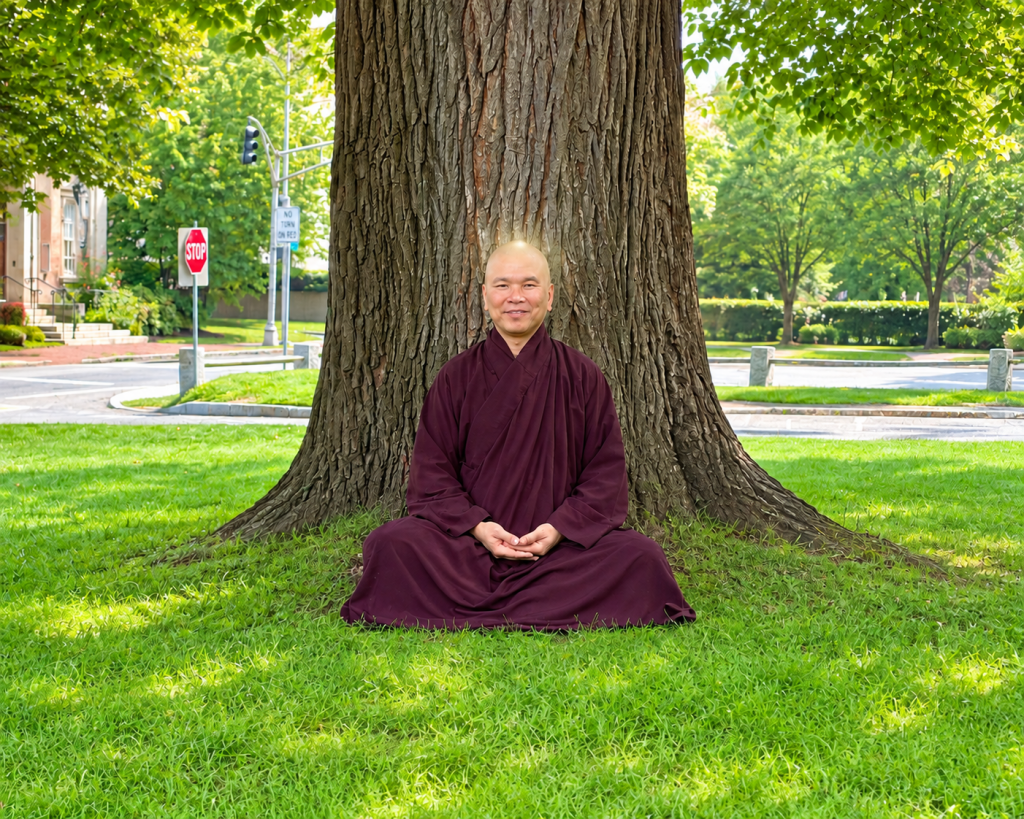 In English, meditation is called meditation; in Pāli, jhāna; in Sanskrit, dhyāna; in Chinese, Chán (禪); in Japanese, Zen; and in Vietnamese, Thiền. Meditation evokes silence, stillness, tranquility, mindfulness, awareness, concentration, contemplation, and one-pointedness of mind. It is a dynamic, peaceful, and practical form of practice that benefits both body and mind.
Meditation helps us cultivate mindfulness and clear comprehension, enabling us to be clearly aware of what is happening right here and now, in our daily lives, such as the blue sky, white clouds, birdsong, the whispering of pine trees, blooming flowers, and the sound of flowing streams.
Practicing meditation helps us pause, recognize, and transform mental afflictions, inner unrest, and suffering, thereby cultivating peace, tranquility, and happiness in our daily lives.
There are two important meditation practices in Buddhism: Samatha Meditation and Insight (Vipassanā) Meditation. Samatha conveys the meanings of calmness, stillness, mental stability, one-pointedness of mind, and stopping. Insight (Vipassanā) conveys the meanings of wisdom, seeing clearly, understanding deeply, contemplation, and looking deeply into reality.
Samatha and Samādhi are closely related because both concern the tranquility, mental stability, and one-pointedness of the mind. However, the two terms are not entirely synonymous. Samatha emphasizes the calming, quieting, and stilling of the mind, whereas Samādhi emphasizes mental collectedness, concentration, and one-pointedness.
In the practice of Samatha Meditation, pausing, calming the fluctuations of the mind, and keeping the mind focused on a single meditation object are important methods for developing mental stability and one-pointedness.
Simply put, Samatha Meditation helps the mind settle and become tranquil, while Insight Meditation helps us look deeply, see clearly, and develop wisdom. These two practices support and complement each other on the path of meditation, helping practitioners develop mental stability and insight, thereby transforming suffering and moving toward a life of peace, freedom, and mindful awareness.
While sitting in meditation, if we hear noises around us, we mindfully acknowledge the sounds without resisting them or becoming annoyed. We pause and return to observing the in-breath and the out-breath with mindfulness and clear awareness. Breathing in, we know we are breathing in. Breathing out, we know we are breathing out.
As we breathe in, we mindfully recognize the noise arising in the mind and simply acknowledge its presence with awareness. As we breathe out, we notice the mind gradually settling in the presence of that noise.
Continuing this practice for a few breaths, we remain mindfully aware of each in-breath and out-breath. Gradually, we become less disturbed by external sounds. The mind settles into a state of calm, tranquility, and stillness.
This is a simple example of Samatha Meditation (Tranquility Meditation). Instead of chasing after sounds or reacting to them, we pause, return to the breath, and allow the mind to settle.
Samatha Meditation is the practice of calming the wandering mind and gently bringing it back to the breath, resting there with mindfulness. Through this practice, we gradually cultivate calmness, mental stability, concentration, and one-pointedness of mind.
As you know, our mind sometimes resembles a monkey or a wild horse, constantly jumping from one branch to another, wandering from one place to another. Sometimes, our body is sitting right here, but our mind has already wandered off, drifting from one thought to another, traveling to New York, India, Australia, Europe, Vietnam, and many other places around the world.
By gently bringing the wandering mind back to the breath through mindful meditation, we gradually cultivate mental stillness, concentration, and one-pointedness of mind.
Do not worry when your mind wanders, becomes restless, or drifts from one thought to another. Simply and gently bring your mind back to the breath and allow it to rest there. Observe each in-breath and out-breath with mindfulness and clear awareness, gently, slowly, calmly, and without strain.
Each time we recognize that the mind has wandered and gently bring it back to the breath, we are practicing Samatha Meditation (Tranquility Meditation). Through regular and consistent practice, the mind gradually becomes calmer, more peaceful, steady, and focused, developing greater concentration and one-pointedness.
As you know, restlessness is a state of mind; agitation is a state of mind; tranquility is a state of mind; mental stillness and concentration are states of mind; and a sense of ease and freedom is also a state of mind. Indeed, at times, the mind is restless and agitated; at other times, it is tranquil, still, concentrated, and at ease.
The practice of Samatha Meditation (Tranquility Meditation) is a process of calming, purifying, and transforming the restless and agitated mind into one that is tranquil, still, concentrated, and at ease.
The term Insight (Vipassanā) is composed of “vi-” and “passanā.” The prefix “vi-” can convey meanings such as distinction, separation, or particularity, while “passanā” means seeing, observing, or perceiving. Therefore, in the context of meditation practice, Vipassanā can be understood as looking deeply, seeing reality clearly, and recognizing things and phenomena as they truly are.
In the practice of Insight Meditation (Vipassanā), practitioners look deeply into the phenomena of body and mind, clearly discerning their nature of impermanence, conditionality, dependent origination, interbeing, and non-self.
Insight Meditation is a process of practice, purification, and transformation of body and mind. It helps practitioners develop wisdom and insight, overcome ignorance and suffering, and cultivate a life of joy, peace, and genuine happiness here and now, in the present moment.
Insight Meditation (Vipassanā Meditation) means looking deeply into the true nature of things and phenomena, clearly seeing their impermanence, conditionality, and non-self. The practice of Insight Meditation is a process of cultivating and developing insight, liberating knowledge, and right understanding (right view).
When practicing Vipassanā Meditation, we do not cling to or dwell on the past, nor do we worry about the future. Instead, we remain firmly grounded in the present moment, returning to the breath with mindfulness and clear awareness.
The past is gone, and the future has not yet arrived. Only in the present moment are we truly here. We remain firmly rooted in the present moment, mindfully observing each in-breath and out-breath with clear awareness.
s we deepen our understanding and practice regularly in this way, we gradually develop the ability to let go of worries, sorrows, anger, resentment, and regret, while cultivating peace, clarity, and freedom in this very precious present moment.
Through the practice of Vipassanā Meditation, we come to see clearly that all things and phenomena are impermanent. Greed is impermanent, anger is impermanent, hatred is impermanent, delusion is impermanent, suffering is impermanent, and so on. If greed, anger, delusion, hatred, and these painful states were permanent, we would not be able to transform them. In reality, however, all these states are impermanent and constantly changing.
As we cultivate mindfulness and awareness in our practice, we learn to recognize and understand these unwholesome mental states and gradually transform them. Greed can be transformed into non-greed, expressed as generosity; hatred into loving-kindness; anger into non-anger, expressed as compassion; delusion into non-delusion, expressed through wisdom and right view; sorrow into joy; and suffering into happiness.
This transformation is nurtured through the daily application and practice of the Buddha’s teachings by speaking wholesome words, cultivating wholesome thoughts, and performing wholesome deeds. In this way, we can reap the fruits of peace, joy, and true happiness for ourselves and others in this very life.
Through the practice of Vipassanā Meditation, with the insight of interbeing, we can contemplate and clearly recognize the presence of our grandparents and ancestors within us; our parents within us; our children within us; our brothers and sisters within us; our teachers and students within us; our Dharma brothers and sisters within us; and all people within us, just as we are within them. We can see clearly that they are present in every cell of our being and in our very consciousness.
To practice Calm Abiding Meditation (Samatha) and Insight Meditation (Vipassanā) appropriately, skillfully, and wisely, we can invite all these loved ones to join us in meditation in this precious present moment. As we do so, we come to realize that our happiness is also their happiness; our peace and well-being are also their peace and well-being; and our freshness and vitality are also theirs, and vice versa.
Therefore, every moment of mindfulness and peace we cultivate not only nourishes ourselves but also helps bring greater joy, freshness, and well-being to our loved ones, our family members, and those around us, whether they are near or far away on this planet we all share.
Through the practice of Vipassanā Meditation, we come to see clearly that life is constantly arising and passing away, changing, and impermanent, and that the time we have left to live grows shorter with each passing day. We live on this Earth for a limited time, and eventually, we must all let go of this temporary and fragile physical body. No one can remain in this world forever, not even noble disciples such as Venerable Sāriputta, Venerable Ānanda, and Venerable Subhūti.
However, becoming deeply aware of this truth is not meant to make us pessimistic or fearful, but rather to help us prepare ourselves with the spiritual provisions and wholesome qualities we need for life’s journey. Therefore, we strive to make the best use of our remaining health, time, and life to deepen our spiritual practice and cultivate the energies of love and understanding for ourselves and others, right here in our present lives.
Being mindful that if an in-breath is not followed by an out-breath, we may pass on to another life, we clearly understand that, thanks to the wholesome kamma we have cultivated in the past, are cultivating in the present, and will continue to cultivate in the future, we can pass away peacefully and gently when impermanence comes. While living in this world, we live in peace and happiness; when we let go of this physical body, we depart peacefully, and those around us can also feel that same peace.
Therefore, we learn to live deeply and at ease in every second, every minute, every hour, and every day, week after week, month after month, and year after year. We are mindful that each breath is life, and each moment of practice is a valuable opportunity to cultivate ease and relaxation. Every moment is life; every moment is an opportunity to be grounded and at ease. Every day is life; every day is an opportunity to live with joy and ease. By understanding these principles clearly and practicing steadily and consistently, we can experience joy, happiness, freedom, and ease in our present lives, right here and now.
Thus, Calm-Abiding Meditation (Samatha) and Insight Meditation (Vipassanā), as presented above, are intended to help readers and practitioners learn easily, understand clearly, remember well, and put the teachings into practice. From the perspective of interbeing, Calm-Abiding Meditation contains Insight Meditation, and Insight Meditation contains Calm-Abiding Meditation. The two always go hand in hand, like form and shadow, and are never separate when we apply meditation to our daily lives for the benefit of both body and mind.
However, in the practice of meditation, we first need to learn about meditation and experience it firsthand. A solid understanding of both the theory and practice of meditation provides a firm foundation for achieving positive results. Through the study and practice of meditation, we can more easily bring our body and mind back to mindfulness and clear comprehension, enabling us to live with stability and ease, joy and happiness, right here and now, in this very life.
Through regular daily meditation practice, we can ease physical pain and mental stress while nurturing and developing compassion, wisdom, peace, joy, and happiness for ourselves and others, right here and now, in this very life. By setting aside an appropriate amount of time to meditate in the morning, afternoon, or evening, we can cultivate greater peace, joy, and happiness in our daily lives. Through consistent and well-established meditation practice, our words, thoughts, and actions, guided by mindfulness and clear comprehension, can all bear the fruits of genuine peace, joy, and happiness for ourselves and others in this very life.
By learning, applying, and practicing meditation with mindfulness and clear comprehension at all times, in all places, in every situation, and throughout the various aspects of daily life, we become clearly aware of what is happening in the present moment. When cooking, we know that we are cooking; when eating, we know that we are eating; and when washing dishes, we know that we are washing dishes. When driving and approaching a red light, we remain aware of our driving, recognize the red light, and bring the vehicle to a mindful stop. Everything we say, think, and do, when carried out with mindfulness and clear comprehension, can become an important part of our meditation practice.
Thus, we can practice meditation in all four postures—walking, standing, sitting, and lying down—as well as while working and engaging in everyday activities. Meditation is not limited to sitting; it can also be practiced through our every gesture, word, thought, and action. Through mindfulness and clear comprehension, we can integrate meditation into daily life in practical and effective ways, right here and now, in the present moment.
However, alongside maintaining mindfulness and clear comprehension in our daily activities, we also need to set aside appropriate time to sit in meditation regularly and for longer periods. When we devote sufficient time to focused meditation, the mind has more opportunity to become calm and deeply settled. As a result, mindfulness becomes more stable, concentration deepens, and insight continues to develop. Therefore, practicing meditation in daily life and setting aside time for more intensive sitting meditation are not separate from one another; rather, they support and complement each other, helping us make steady progress on the path of practice.
Indeed, for dedicated meditation practitioners, meditation is a process of recognizing, purifying, and transforming unwholesome mental states into more wholesome and peaceful ones. Therefore, in daily life, alongside other forms of meditation, such as walking meditation, standing meditation, and full-body relaxation, sitting meditation also plays a very important role. By practicing sitting meditation regularly and correctly, we can establish ourselves more firmly in mindfulness, develop deeper right concentration, and thereby cultivate insight with increasing clarity and stability.
For example, when a glass of muddy water is left undisturbed for a period of time, the sediment gradually settles to the bottom, allowing the water to become clearer. Similarly, when we sit in meditation with mindfulness and right concentration, the mind gradually settles down and becomes clearer. This enables us to recognize more clearly our wandering thoughts and various mental and emotional states, such as sorrow, worry, greed, anger, delusion, wrong view, and ignorance. At the same time, we can become more aware of and directly experience the states of joy, peacefulness, and happiness that arise in both body and mind.
For example, when a burning oil lamp is placed inside a lantern or enclosed by a lampshade, its light becomes more focused and distinct. Similarly, when the mind is firmly established in mindfulness and right concentration, the light of awareness and insight within us shines more clearly.
The glass represents the meditation practitioner, while the muddy water represents a restless and distracted mind. The glass of water left undisturbed represents the practitioner meditating with a calm, concentrated, and unified mind.
The lamp represents the meditation practitioner, and its light represents insight. The lampshade surrounding the lamp represents right mindfulness and right concentration, while the lamp shining brightly represents the practitioner firmly established in right mindfulness, right concentration, and right wisdom.
Indeed, through diligent and deep meditation, the Buddha attained full enlightenment beneath the Bodhi tree as the morning star appeared. Through his meditation practice, the light of enlightenment, peace, well-being, and happiness radiated from him across time and space, right here in this world. Thus, meditation is closely connected with mindfulness and clear comprehension of each in-breath and out-breath. We know that if we stop breathing for even a few minutes, our lives may come to an end.
Being fully aware of this, we cherish life all the more and treasure each breath through mindfulness and clear comprehension. At the same time, we continually incorporate meditation into our daily lives to to benefit ourselves and others right here and now, in this very life. Therefore, those who are fortunate enough to encounter a wise spiritual teacher and have favorable conditions for learning and practice can set aside appropriate time to learn about, explore, practice, and apply meditation in their daily lives.
We understand that a wise spiritual teacher is a teacher who upholds ethical principles, has practical experience in spiritual cultivation, has received proper training and education, and is capable of teaching and guiding meditation practice in ways that are appropriate, practical, and beneficial to oneself and others in daily life.
Traditionally, a supportive environment for learning and practice may include a Buddhist temple, a Dharma center, a meditation hall, a school, or an office. Today, such an environment may also include Buddhist Dharma classes, meditation classes, and online meditation sessions via Zoom.
Based on what we have discussed above, practicing meditation every day means regularly watering the flowers within us. When we water these flowers every day, they grow healthier and bloom more beautifully. Conversely, when we neglect to water them, they gradually wither. Thus, we practice meditation every day to water the flowers within us, thereby nurturing and strengthening the wholesome energies of peace, well-being, and happiness in both body and mind. When we understand and practice meditation regularly in this way, peace and happiness gradually permeate, soothe, and nourish our body and mind.
Indeed, each of us can be likened to carrying a spiritual battery throughout our lives. This battery can store and nurture the energies of love, understanding, peace, joy, and happiness if we know how to “recharge” it through diligent meditation practice in our daily lives. Conversely, if we are lazy, negligent, and heedless in our daily lives, unwholesome mental states such as greed, hatred, delusion, ignorance, resentment, and anger may arise and grow stronger, adversely affecting our body and mind as well as our relationships with others.
Thus, each time we meditate, we water the flowers within us, recharge our spiritual energy, and awaken and nurture the seeds of enlightenment, compassion, and other wholesome qualities within us, helping them sprout, grow stronger, and flourish. If we forget to water the flowers within us for days or weeks, they will gradually wither. If we neglect to replenish our spiritual energy, the energy of love within us will gradually weaken. And if we neglect our meditation practice, the energy of peace, well-being, and harmony within us may also diminish. When this happens, we may no longer have enough spiritual energy, love, understanding, peace, well-being, and happiness to share with others. Spiritual cultivation involves repeatedly cultivating wholesome qualities and continuously nurturing and replenishing our spiritual energy, love, understanding, peace, joy, and happiness for the benefit of ourselves and others, right here and now, in this very life.
Therefore, in our daily lives, even when we are busy with many tasks, we should not forget to water the flowers within us, replenish our spiritual energy, and practice meditation. We recognize that watering the flowers within us every day is necessary, recharging our spiritual battery daily is important, and practicing meditation every day helps bring peace, ease, and well-being to both body and mind.
When we understand and put these practices into action, the flowers within us will flourish, our spiritual batteries will become increasingly charged, and our spiritual energy will grow stronger and more abundant. Through diligent and skillful meditation practice, we can reap the fruits of compassion, wisdom, peace, and happiness right here and now, in our present lives.
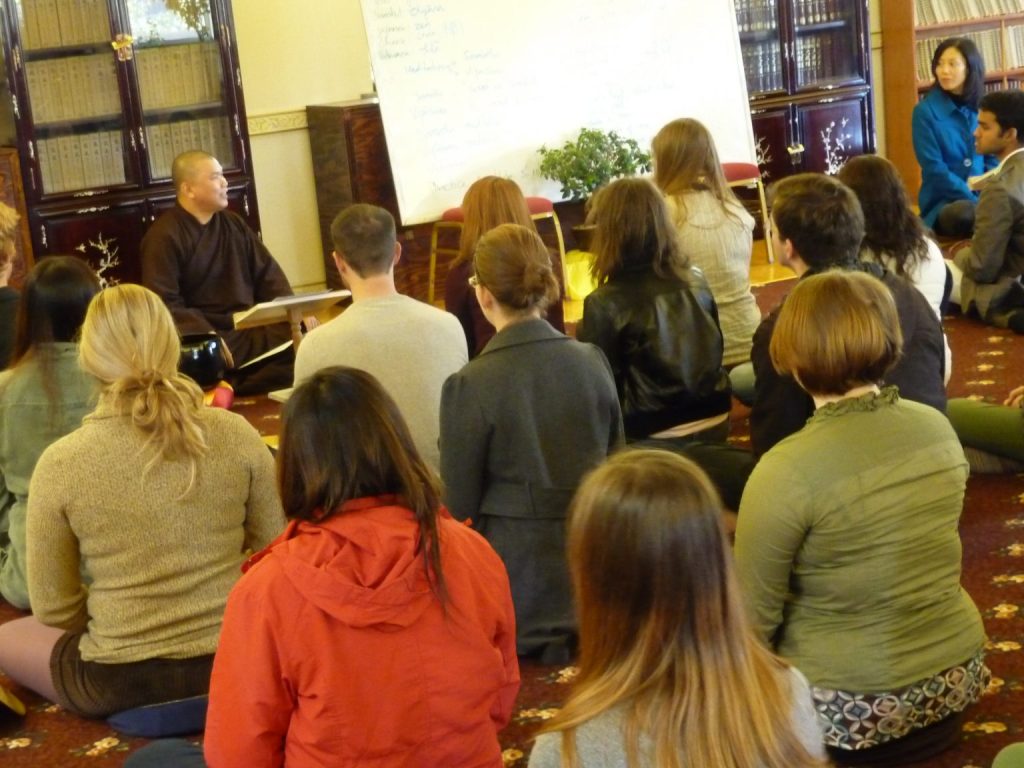 By integrating meditation into our daily lives, we can share and offer the sweet fruits of our practice and the energy of peace to all people and all living beings on this planet.
Flowers of peace bloom deep within our minds,
Flowers of compassion spread throughout the land.
Each of us walks the path of a practitioner,
Offering the world sweet fruits of goodness…
By Thích Trừng Sỹ
Thus, meditation is an essential source of spiritual nourishment in our daily lives. We can practice meditation anytime and anywhere, such as at school, at home, in a quiet place, or at the office. We can even practice while stopped at a red light, doing homework, preparing lessons, writing, waiting in line to buy tickets, shopping, and so on.
As we breathe in and out naturally, gently, and mindfully, we become aware of our breathing and remain firmly grounded in the present moment. Breathing in, we know that we are breathing in. Breathing out, we know that we are breathing out. Through mindful breathing, we return to our body and mind and clearly recognize what is happening in the present moment.
If we practice this way regularly every day, the qualities of compassion, peace, joy, and happiness within us will continue to be nurtured and grow stronger.
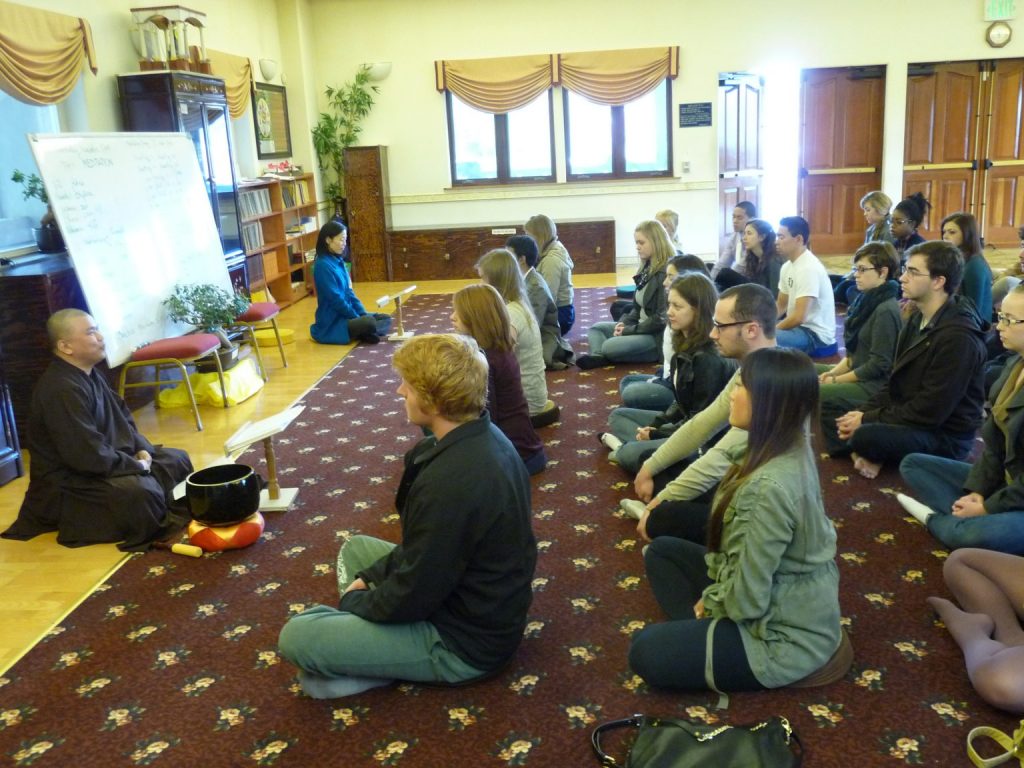 We know that our lives are sustained by every in-breath and out-breath;
the breath becomes meaningful when we practice mindfulness;
mindfulness helps nurture peace and happiness;
and peace and happiness are reflected in the tranquility of our body and mind.
Spiritual practice is a process of recognizing, purifying, and transforming wrong into right, sadness into joy, afflictions into bodhi, and suffering into peace and happiness, one step at a time.
The purpose of spiritual practice is to cultivate and reap the fruits of peace and happiness for ourselves and others, right here and now, in this very life.
Indeed, the more regularly we practice meditation, the more we can cultivate peace, joy, and happiness in our daily lives. The more we practice hour by hour, the more we can recognize and nurture joy; the more we practice day by day, the more we can cultivate happiness; and the more regularly we practice week by week, the more we can live with greater joy, ease, and inner freedom.
Joy in meditation, happiness in meditation, and ease in meditation are practical benefits that we can gradually cultivate through our practice. As our meditation practice becomes more established, peace and happiness can permeate our body and mind, helping us become calmer and more tranquil.
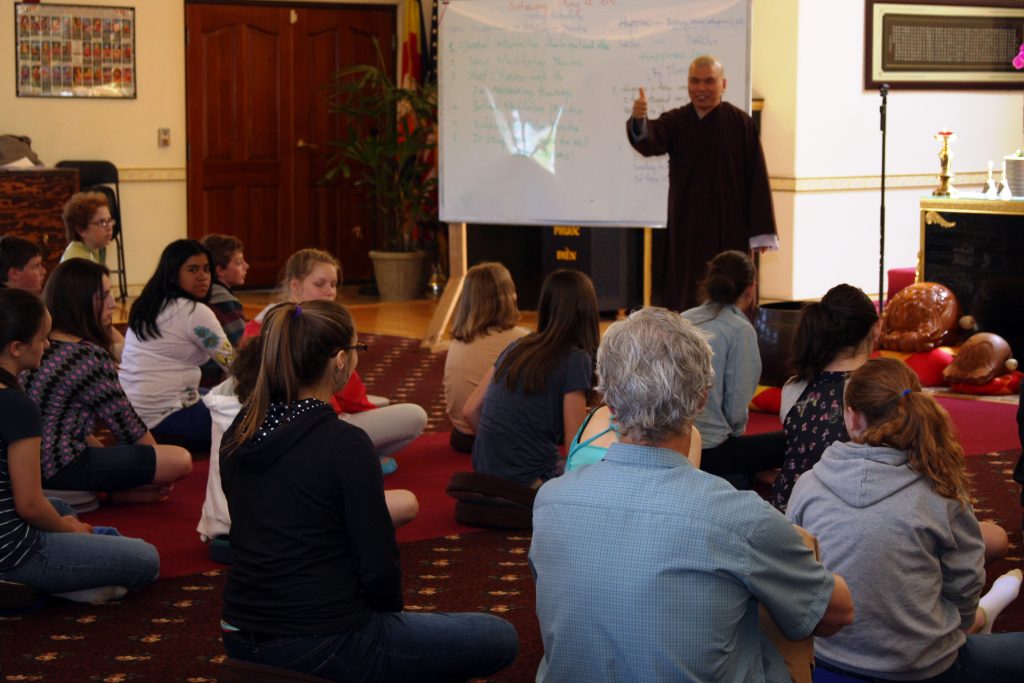 To make our meditation session more lively, joyful, and meaningful, let’s sing the meditation song “Island of the Self” together!
ISLAND OF THE SELF
(Plum Village)
Returning to take refuge in our island within,
Mindfulness is the Buddha, shining far and near.
The breath is the Dharma, protecting body and mind.
The Five Aggregates are the Sangha, practicing diligently in harmony.
Breathing in, breathing out,
We are a fresh, cool flower,
We are a mountain, firm and strong,
Still waters reflecting clearly,
Vast space, open and boundless.
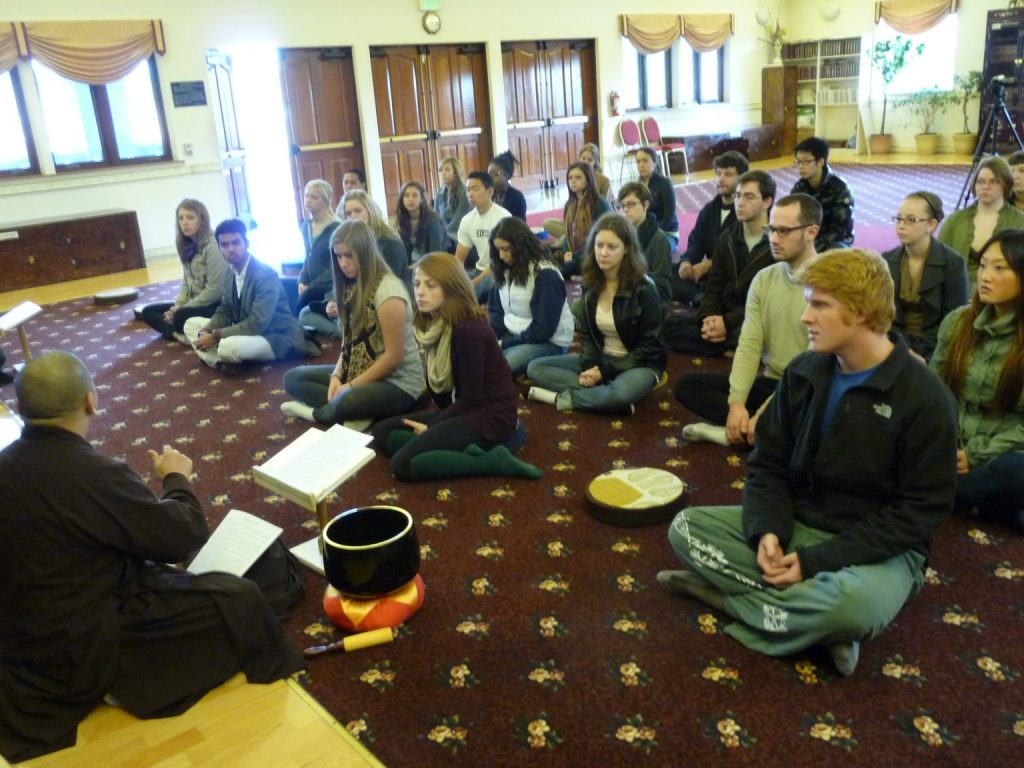
Some Basic Guidelines for Daily Meditation Practice
Every day, we can set aside 15 or 30 minutes for meditation practice by following our in-breath and out-breath, calming our body and mind, and practicing walking meditation with mindfulness and clear comprehension.
At home or in another suitable place, you can sit upright on a chair, sofa, bed, or meditation cushion. Depending on your ability and preference, you may sit in the full-lotus or half-lotus position, keeping your body upright, stable, and relaxed. You can place your right hand on your left hand or your left hand on your right hand, with the tips of your thumbs gently touching. Keep your back straight, and gently close your eyes or leave them partially open, allowing your body and mind to remain comfortable and your attention to stay focused.
When you feel sleepy, you can open your eyes slightly to stay alert and avoid dozing off. While sitting in meditation, relax your entire body, release physical tension, and allow any tightness to gradually ease. At the same time, acknowledge and gradually let go of any frustration and worries you may be carrying within. As your body and mind gradually settle down, you can experience peace, joy, and happiness in the present moment.
 Figure 1: Meditation Cushion
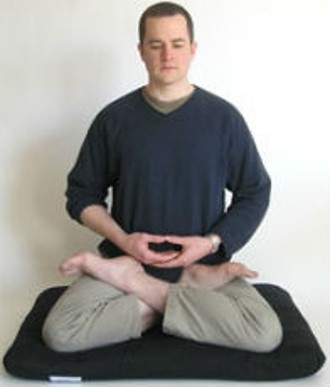 Figure 2: Full-Lotus Meditation Posture on a Cushion, with the Tips of the Thumbs Touching
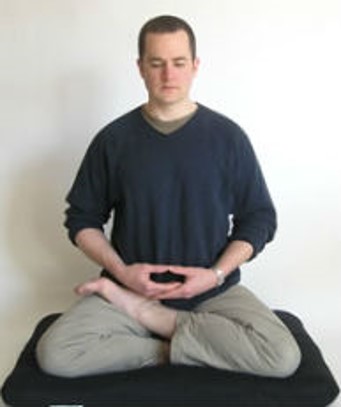
Figure 3: Half-Lotus Meditation Posture on a Cushion, with the Tips of the Thumbs Touching
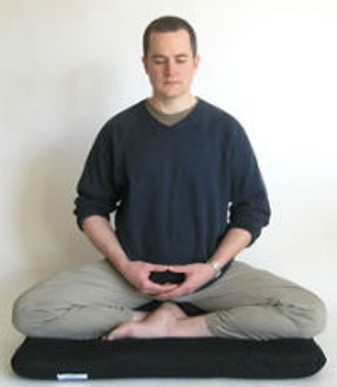 Figure 4: Comfortable Cross-Legged Meditation Posture on a Cushion, with the Tips of the Thumbs Touching

Figure 5: Seated Meditation on a Chair, with the Back Straight

Figure 6: Japanese Seiza Meditation Posture
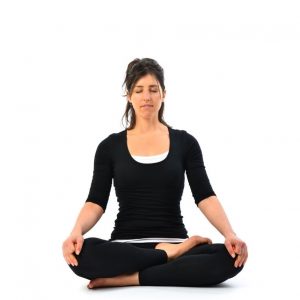
Figure 7: Half-Lotus Meditation Posture, with the Hands Resting Relaxedly on the Knees
As you breathe in, be aware of your abdomen expanding; as you breathe out, be aware of your abdomen contracting. Continue to observe your breathing gently, naturally, slowly, and comfortably, maintaining mindfulness from beginning to end. At the same time, remain clearly aware of the flow of air entering and leaving through your nostrils throughout your meditation practice.
With mindfulness and clear awareness, gently observe each breath, allowing your breathing to remain natural and steady. As you breathe in, cultivate peace and well-being in your body and mind; as you breathe out, relax and release tension, aches and pains, and emotional distress. Through regular practice, you gradually experience greater calm, tranquility, and ease right here and now, in the present moment.
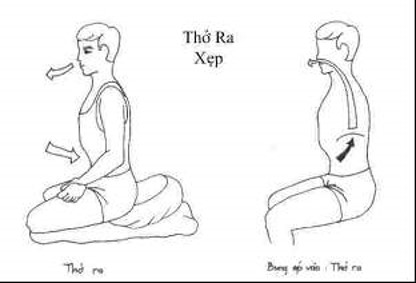 Figure 8: As you breathe in, be aware of your abdomen expanding.
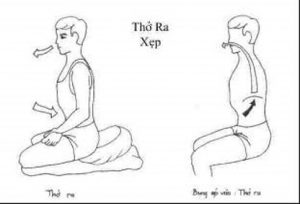
Figure 9: As you breathe out, be aware of your abdomen contracting.
When sitting in meditation, keep your back straight, your eyes gently closed, and your mouth softly closed. Relax your entire body and observe your in-breath and out-breath with mindfulness and clear awareness, while maintaining a relaxed and pleasant facial expression. If you feel sleepy while meditating, you can open your eyes slightly to stay alert.
With the illustrations, explanations, and instructions provided above, you can choose a meditation method that suits you and helps your body and mind feel peaceful, light, and at ease throughout your practice.
Additionally, during meditation, if you hear cars, motorcycles, barking dogs, or other sounds, simply acknowledge them for a few seconds, then gently bring your attention back to your breath. Similarly, if you smell flowers, fruit, or other fragrances, acknowledge them for a few seconds, then gently return to observing the flow of air through your nostrils with mindfulness and clear awareness.
Continue to observe your in-breath and out-breath naturally and comfortably, without straining or deliberately controlling your breathing. Through this practice, you can experience tranquility, peace, and happiness right here and now, in the present moment.
If you feel an itch while sitting in meditation, you can slowly bring your hand to the itchy area and gently scratch it. Then, return your hand mindfully to its original position. When a pleasant sensation arises in your body and mind, acknowledge it, then continue observing your in-breath and out-breath with mindfulness and clear comprehension.
If your legs become numb or painful, causing discomfort, mindfully acknowledge the sensation for a few seconds. If the discomfort persists, you can gently adjust your sitting posture, then resume observing your breath with mindfulness and relaxation.
When you are ready to end your sitting meditation and transition to walking meditation, first open your eyes, rub your palms together, gently place them over your face, and massage your face and head two or three times. Next, stretch your legs, slowly move your body, and gently stand up mindfully. As you begin walking meditation, take each step with mindfulness, feeling grounded and at ease with every step. At the same time, appreciate the gift of life and nurture joy with each step.
By practicing meditation regularly every day, you can experience the benefits of learning the Dharma, practicing the Dharma, the joy of the Dharma, and the happiness of the Dharma right here and now. Indeed, by understanding and practicing the True Dharma, you can become a fresh, vibrant flower, helping make life more beautiful.
REFLECTION AND PRACTICAL APPLICATION OF DAILY MEDITATION
1. Awareness of the breath
Breathing in, I know I am breathing in. Breathing out, I know I am breathing out. In, out. (Bell)
2. Awareness of being alive in the present moment
Breathing in, I know I am alive and sitting here. Breathing out, I know I am practicing meditation with the Sangha today. In, out. (Bell)
3. Awareness of deep and long breathing
Breathing in deeply, I know I am breathing in deeply.
Breathing out slowly, I know I am breathing out slowly. In, out. (Bell)
4. Calming the bodily formations
Breathing in, I calm the bodily formations.
Breathing out, I calm the bodily formations. In, out. (Bell)
5. Calming the mental formations
Breathing in, I calm the mental formations. Breathing out, I calm the mental formations. In, out. (Bell)
6. Calming the verbal formations
Breathing in, I calm the verbal formations. Breathing out, I calm the verbal formations. In, out. (Bell)
7. Awareness of the whole body
Breathing in, I am aware of my whole body. Breathing out, I am aware of my whole body. In, out. (Bell)
8. Experiencing the whole mind
Breathing in, I experience my whole mind. Breathing out, I experience my whole mind. In, out. (Bell)
9. Practicing meditation for myself
Breathing in, I know I am practicing meditation for myself. Breathing out, I know I am inviting my parents, brothers, sisters, and children to join me in practicing meditation and learning the Buddha Dharma today. In, out. (Bell)
10. Nourishing my spiritual energy
Breathing in, I know I am replenishing my spiritual energy. Breathing out, I am aware that my inner reservoir of spiritual energy is gradually filling up. In, out. (Bell)
11. Practicing the method of watering flowers
Breathing in, I know I am practicing the method of watering flowers within myself. Breathing out, I am aware that the flowers within me are gradually becoming fresh and vibrant. In, out. (Bell)
12. Recognizing the importance of daily meditation practice
Breathing in, I know that if I neglect to nourish my spiritual life each day, my mental energy will gradually weaken. Breathing out, I know that if I forget to water the flowers within my mind, they will gradually wither. In, out. (Bell)
13. Cherishing each breath and our practice
Breathing in, I know that each breath is a precious expression of life. Breathing out, I know that every moment of mindful meditation practice helps me cultivate peace, well-being, and ease. In, out. (Bell)
14. Contemplating and cherishing life and health
Breathing in, I contemplate how my life passes with every passing second and minute. Breathing out, I cherish the life and health I have. In, out. (Bell)
15. Cherishing the life and health I have
Breathing in, I know that each day, my life grows shorter. Breathing out, I know that my health may change over time. In, out. (Bell)
16. Diligently practicing and applying the Buddha Dharma in daily life
Breathing in, I am determined to study and practice the Buddha Dharma more diligently while I still have time and good health. Breathing out, I aspire to apply the Buddha Dharma in my daily life to benefit myself and others, right here and right now, in this very life. In, out. (Bell)
17. Contemplating interbeing and impermanence
Breathing in, I contemplate how all things in the universe are intimately interconnected, interdependent, mutually conditioned, and interrelated.
Breathing out, I contemplate how all things are constantly changing and continuously transforming. In, out. (Bell)
18. Body and mind at ease
Breathing in, I feel healthy and well. Breathing out, I feel peaceful and happy. In, out. (Bell, Bell, Bell)
POEMS FOR PRACTICING MEDITATION ANYWHERE
Mindfulness and clear awareness grow within,
Together we practice, and joy fills our homes.
Walking and sitting in peaceful ease,
Compassion and wisdom make life shine bright.
Body and mind rest in peace and ease,
Diligent practice brings smiles that bloom like flowers.
Mindfulness nourishes the heart,
Filling our lives with joy, happiness, and love.
Each day, we diligently cultivate
Compassion and wisdom, shining bright within.
Together we practice, wherever we are,
Awake and at peace, sharing love with all.
Through today’s lesson and practice, may you learn to apply meditation in your daily lives, right here and now, in the present moment. Practice mindfulness with every breath, every step, and every daily activity to nurture peace and well-being in both body and mind.
Each day, let us diligently cultivate mindfulness, compassion, and wisdom so that we may deepen our understanding, grow in love, and transform our suffering. As our body and mind become calm and peaceful, we learn to live mindfully, express our love, and share more generously with our families and those around us.
May you maintain a regular meditation practice and experience joy, happiness, and peace in your everyday lives. May you always practice diligently and enjoy peace, well-being, and success on your path of meditation.
REFERENCES:
RELEVANT BUDDHIST SUTTAS AND WEBSITES FOR MEDITATION PRACTICE
The Middle Length Discourses (Majjhima Nikāya)
The Discourse on the Establishment of Mindfulness (No. 10) Satipaṭṭhāna Sutta (MN 10) https://www.budsas.org/uni/u-kinh-trungbo/trung10.htm
The Discourse on Mindfulness of Breathing (No. 118) Ānāpānasati Sutta (MN 118) https://suttacentral.net/mn118
The Discourse on Mindfulness of the Body (No. 119) Kāyagatāsati Sutta (MN 119) https://suttacentral.net/mn119/vi/minh_chau
The Anapanasati Manual Ānāpānasati https://www.budsas.org/uni/u-abty/abty00.htm
Related articles