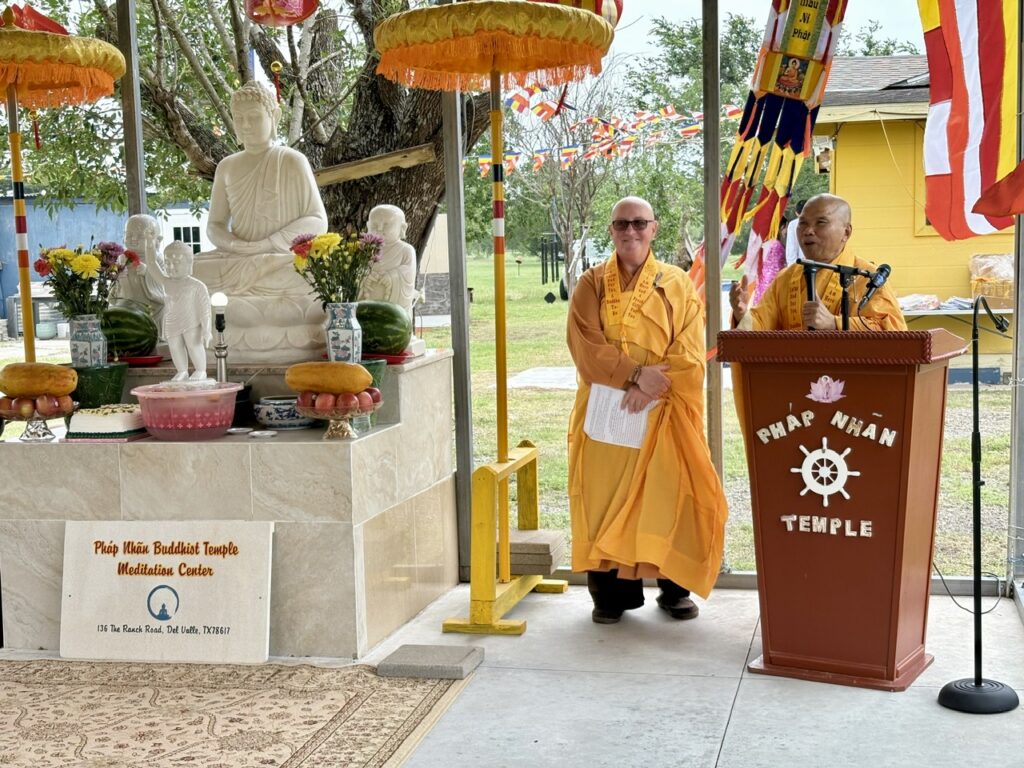
Pháp Nhãn Temple Compiled by Venerable Thích Trừng Sỹ
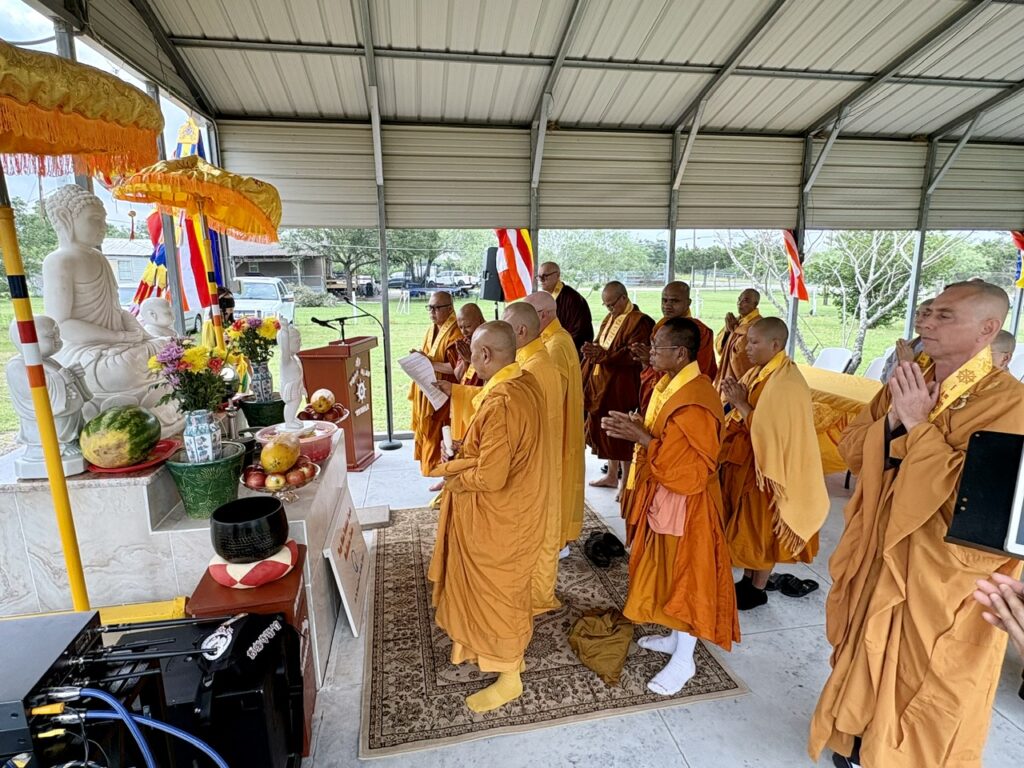
RITUAL FOR THE TRANSMISSION OF THE BHIKKHU ORDINATION, BODHISATTVA PRECEPTS, AND THE LAMP TRANSMISSION WITHIN THE PHÁP NHÃN GRAND ORDINATION PLATFORM
The Bhikkhu ordination ceremony is a solemn ritual in Buddhism, marking an important event when a monastic aspirant, after two years of training as a novice (śrāmaṇera), has studied and applied the Dharma in daily life, cultivated a pure monastic life, and aspires toward enlightenment and the highest spiritual liberation.
Today, under the witness and support of the venerable monastic elders, the practitioner, having accumulated sufficient meritorious conditions, is formally received into the Sangha with full monastic precepts.
The Bhikkhu ordination ceremony consists of the following main sections:
I. Fundamental Qualifications for Bhikkhu Ordination
* An ordinand seeking Bhikkhu ordination must fulfill the following qualifications:
* Has already received novice ordination (Sāmaṇera)
* Is at least 20 years of age according to chronological age
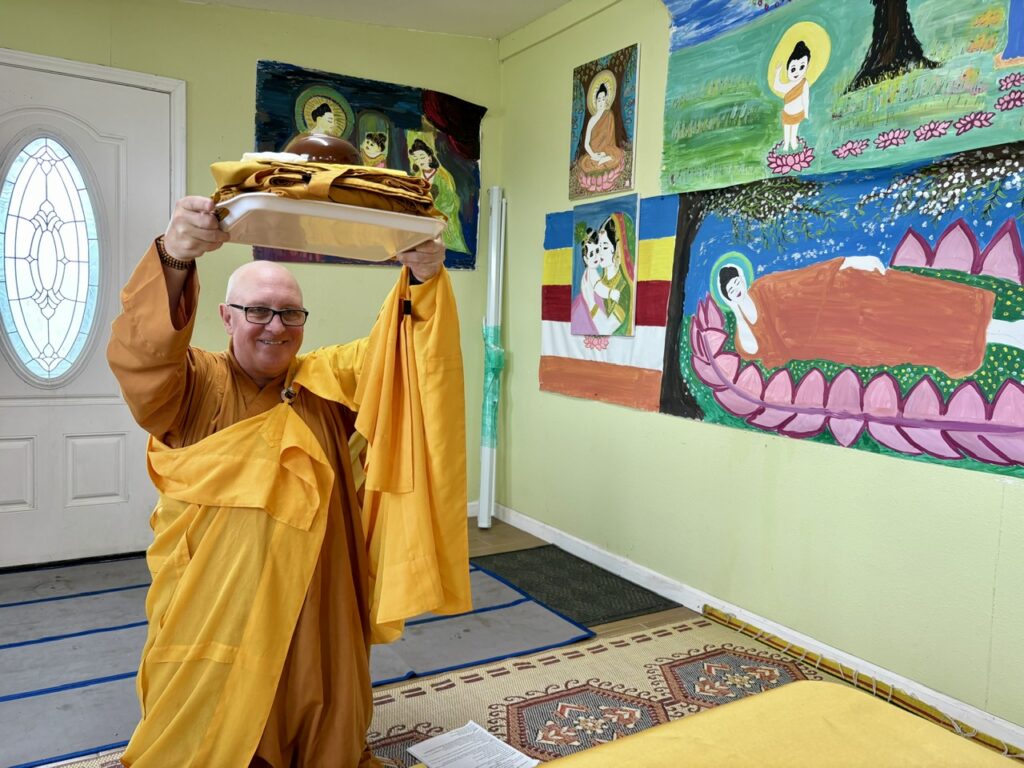
* Possesses the complete set of three robes, an alms bowl, and a sitting mat
* Is free from major disqualifying obstacles in accordance with the Vinaya (monastic discipline)
* Has an ordination Preceptor (Upajjhāya) and a Dharma Teacher (Ācariya) for proper guidance
* Has successfully completed the pre-ordination examination before the Bhikkhu ordination platform.
II. The Assembly of the Three Masters and Seven Witnesses
1. The Three Masters
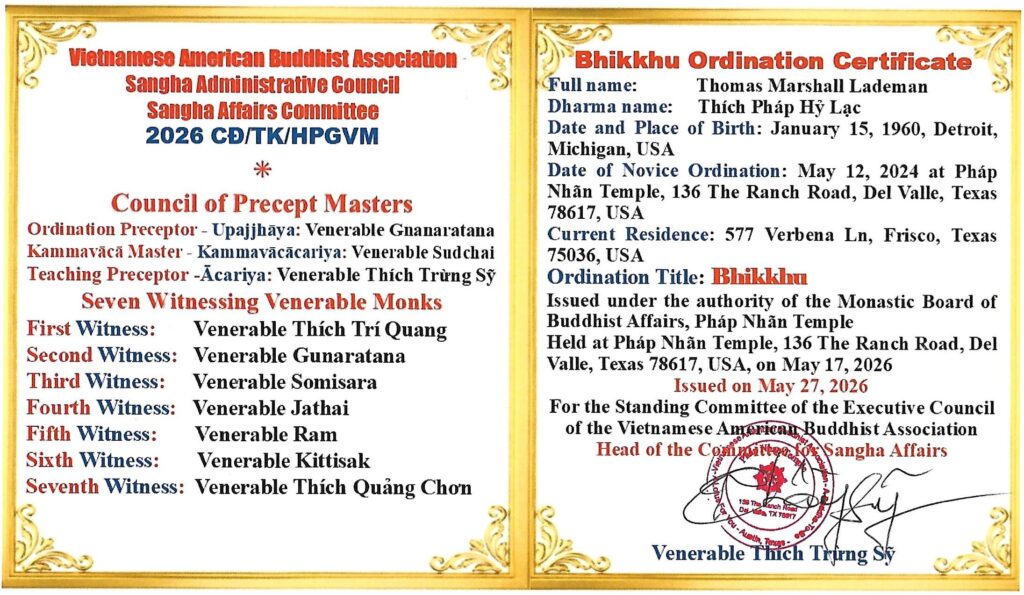
The Most Venerable Ordination Preceptor (Upajjhāya): The chief officiant who confers the ordination precepts.
The Most Venerable Karma Preceptor (Kammavācācariya): The preceptor who presides over the formal monastic procedure (kamma).
The Most Venerable Dharma Teacher (Ācariya): The preceptor who instructs monastic discipline and monastic rules of conduct (Vinaya).
2. The Seven Witnesses
The Seven Witnesses are seven fully ordained and pure Bhikkhus who act as witnesses, confirming the validity and purity of the ordination according to the Vinaya.
Total number: The Ten Venerable Masters (comprising the Three Masters and the Seven Witnesses)
III. Order of the Bhikkhu Ordination Ceremony
1. Request to Enter the Ordination Platform
The ordinand, properly robed and carrying the complete requisites of robes and alms bowl, with body and mind kept pure, respectfully enters the ordination ground.
Before the Venerable Sangha, the ordinand pays homage to the Triple Gem, then kneels with palms joined in reverence and respectfully makes a sincere request.
The ordinand respectfully declares: “Having generated the aspiration to seek ordination and having already received the novice (Sāmaṇera) precepts, I now, with sufficient meritorious conditions, respectfully request the compassionate permission of the Sangha to formally enter the ordination platform and seek Bhikkhu ordination.”
After paying homage and making the formal request, the ordinand respectfully awaits the approval of the Sangha before proceeding to the subsequent steps of the ceremony.
The above is a general overview of the Bhikkhu ordination ceremony.
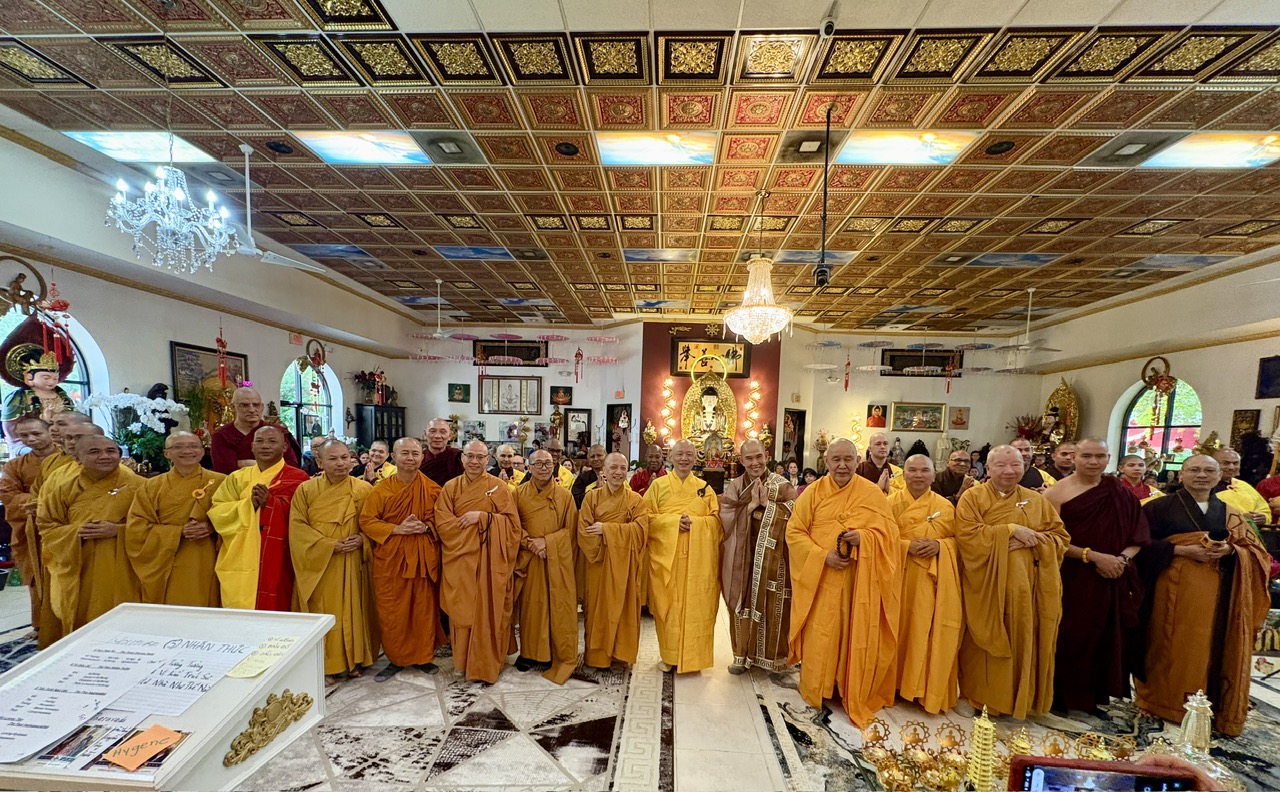
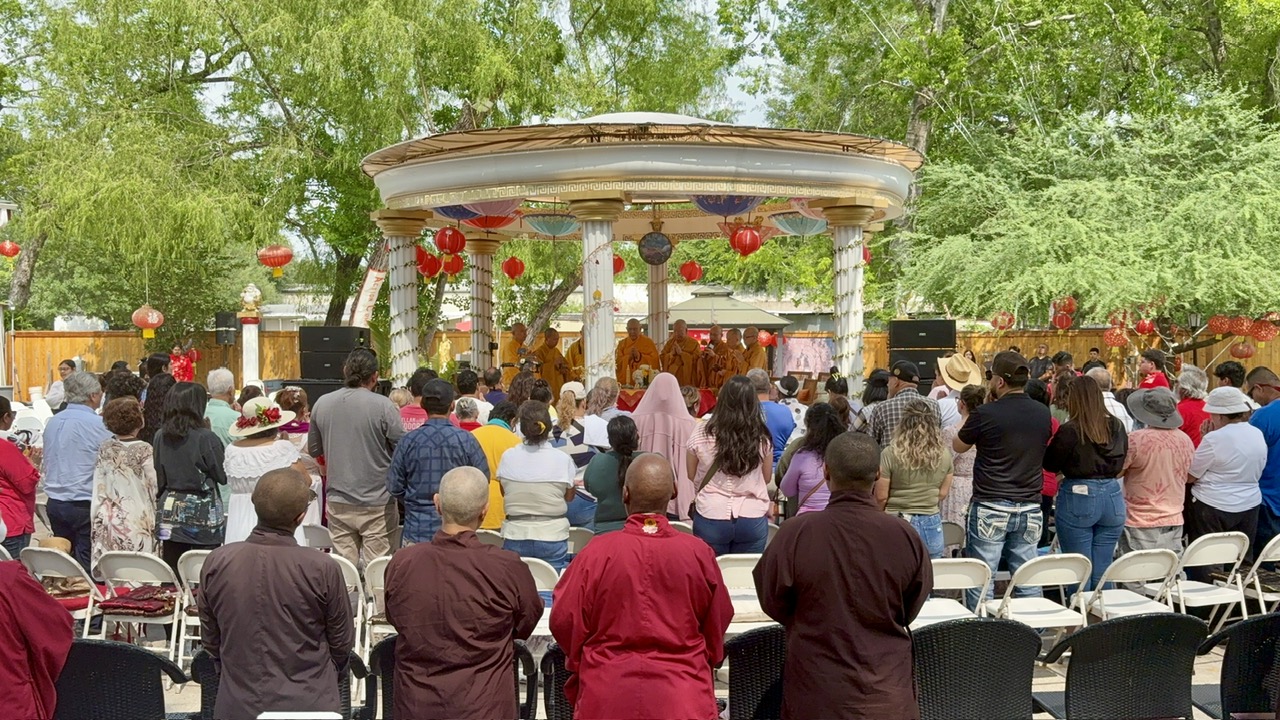
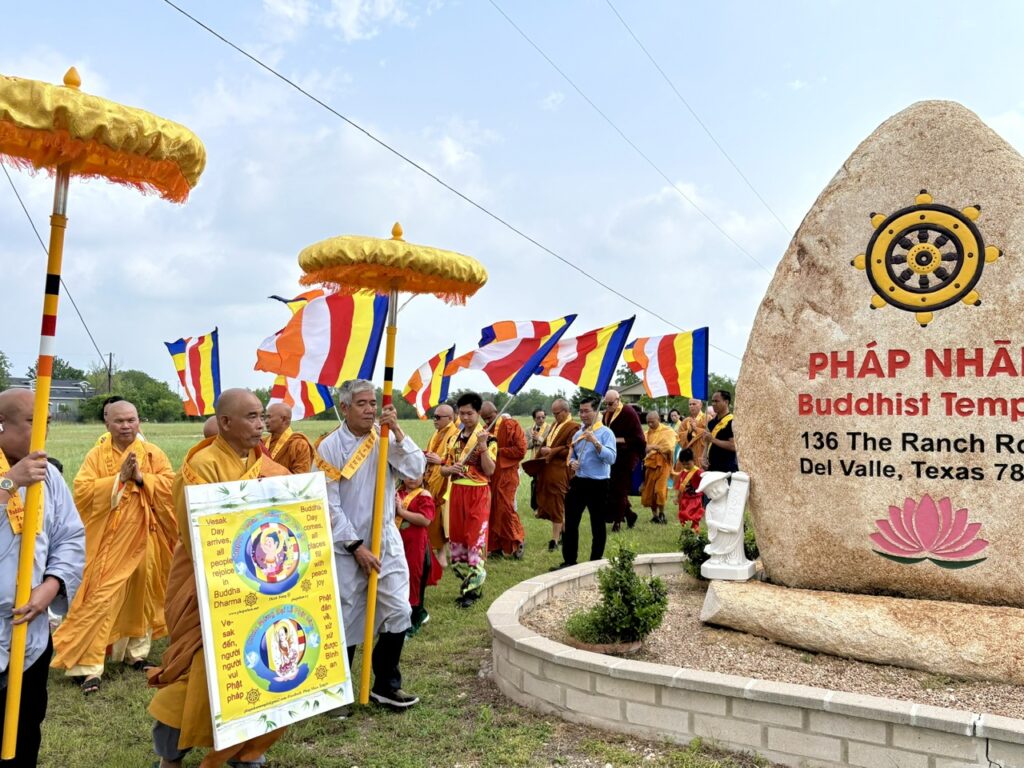
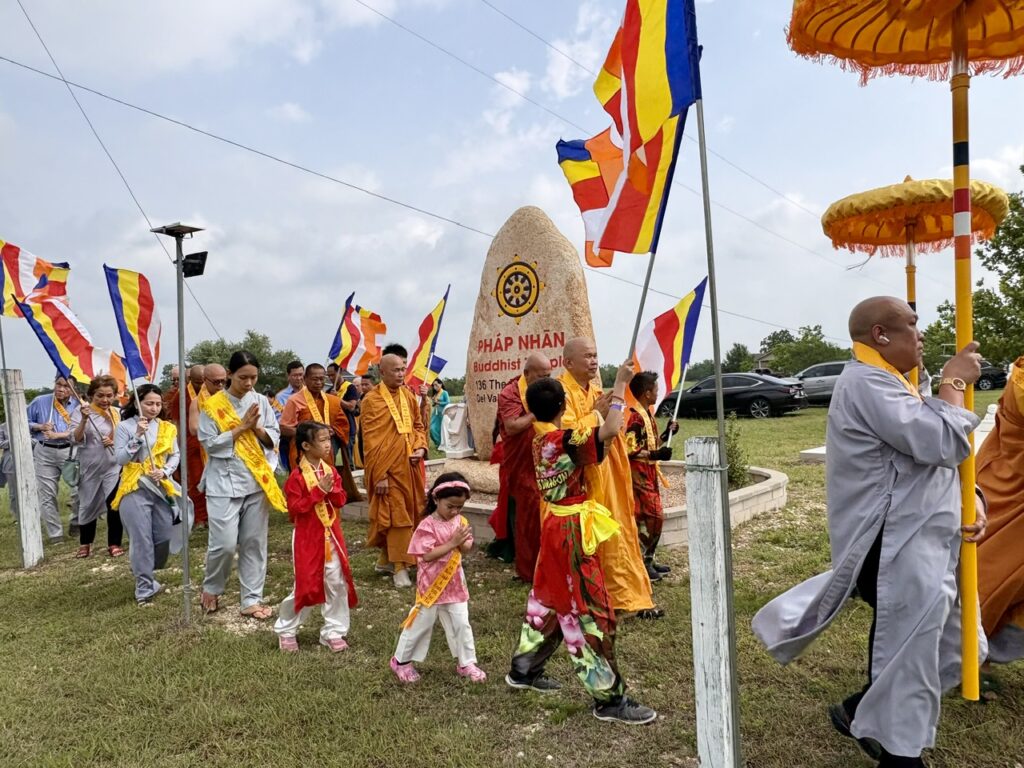
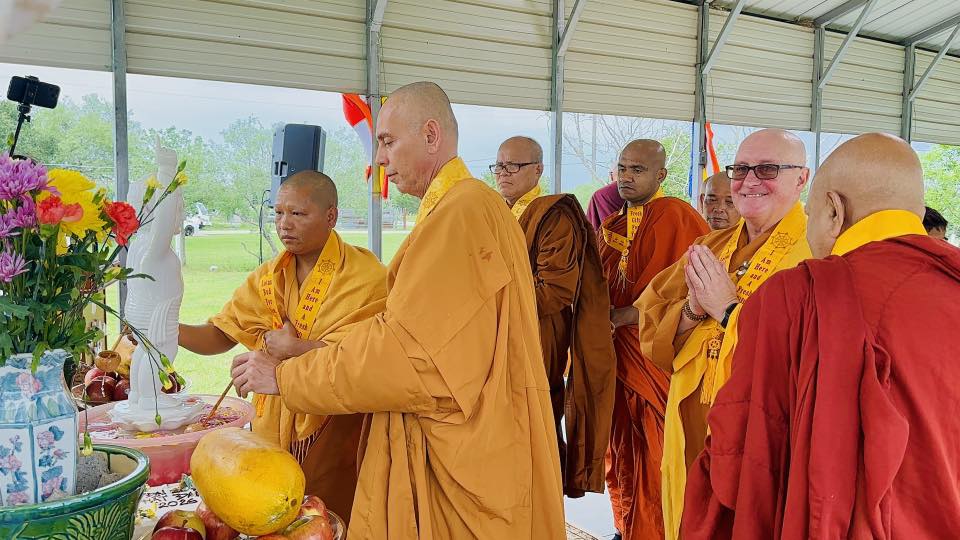
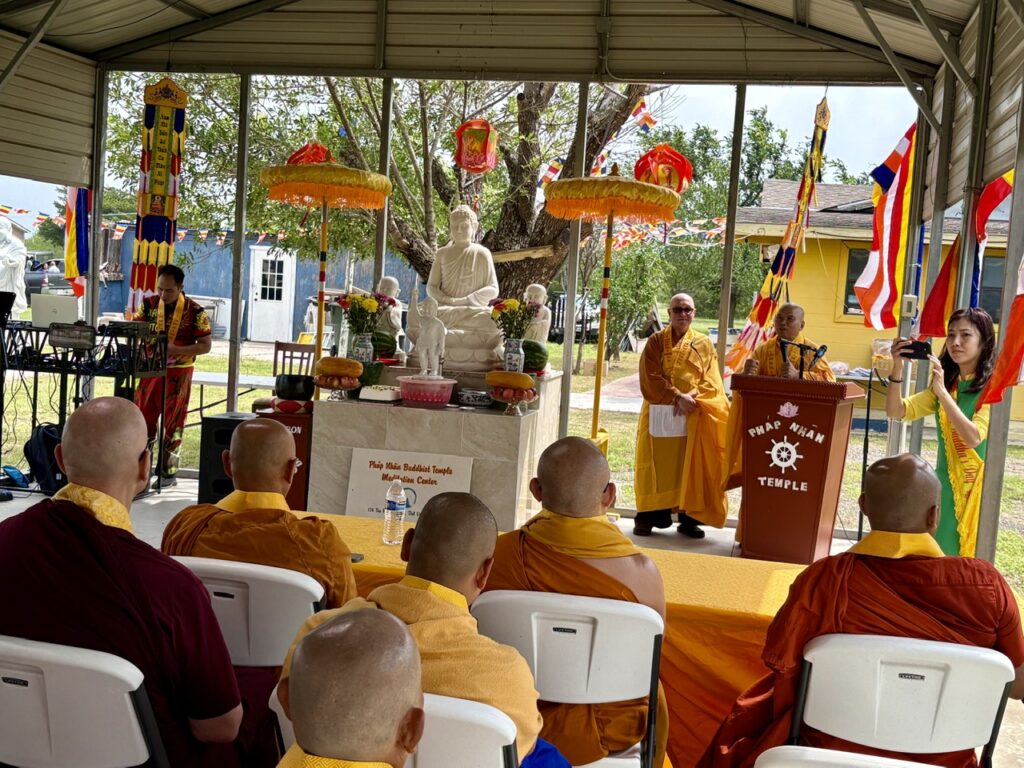
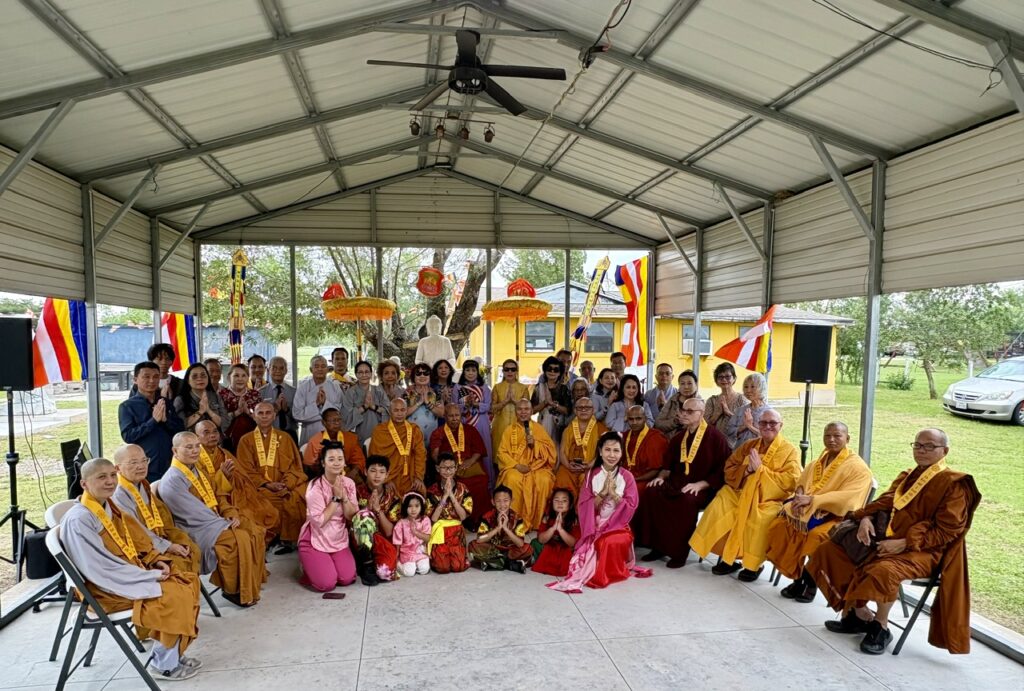
Next is the detailed presentation of each step of the Pháp Nhãn Ordination Platform, held on May 17, 2026, during the Vesak (Buddha’s Birthday) Grand Ceremony.
Bhante Sudchai, acting as the Kammavācā Master (Kammavācācariya), asks:
Bhante Thích Trí Quang, acting as the Ceremonial Officiant, responds:
– Has the Sangha assembled?
The Sangha has assembled.
– Is the Sangha harmonious?
The Sangha is harmonious.
– Have those who have not yet received full ordination left the assembly?
They have left.
– For what purpose has the Sangha assembled today?
To perform the Kamma of full ordination (Upasampadā).
Venerable Sudchai, serving as the Kammavācā Master (Kammavācācariya), speaks:
Revered Venerable Sangha,
Today, the ordinand Pháp Hỷ Lạc requests full ordination (Upasampadā) and respectfully requests Bhikkhu Thích Trừng Sỹ to serve as his Upajjhāya, Ordination Preceptor.
If it is appropriate for the Sangha, may the Sangha approve Bhikkhu Thích Trừng Sỹ to serve as the Ordination Preceptor.
This is the formal announcement.
♣ The ordinand Pháp Hỷ Lạc kneels before the Venerable Sangha, prostrates once, and then respectfully makes the following request:
Revered Venerable Ones of the Sangha, I, the disciple known by the Dharma name Pháp Hỷ Lạc, respectfully place my trust in your compassionate witnessing presence.
I humbly request the Venerable Ones to act as my Ordination Preceptor (Upajjhāya), the Kammavācā Master (Kammavācācariya), the Dharma Teacher (Ācariya), and the Witnessing Elders. I rely upon the wisdom, virtue, and compassion of the Venerable Ones in order to receive the Full Ordination (Bhikkhu Upasampadā).
I sincerely beg the Venerable Ones to compassionately accept me, to guide me, and to grant me the opportunity to enter the monastic life as a fully ordained monk.
1) Bhante Gnanaratana, acting as the Ordination Preceptor (Upajjhāya), replied:
→ “Sadhu! Well done. You should devote yourself wholeheartedly to pure practice and not be negligent.”
♣ The ordinand Pháp Hỷ Lạc replied:
I shall abide by your instructions. (Three times)
2) Bhante Somisaradeclares in a loud voice:
→ Venerable Great Assembly of the Sangha, I respectfully inform you that the ordiand Pháp Hỷ Lạc now requests to receive the full ordination (Upasampadā) from the Great Sangha.
At this appropriate time for the Sangha, may the Sangha consent to appoint Bhikkhu Thích Trừng Sỹ, the Upajjhāya, Ordination Preceptor of Pháp Hỷ Lạc, to serve as the Dharma Teacher (Ācariya).
This is the formal announcement of invitation and request.
3) The Dharma Teacher (Ācariya) Thích Trừng Sỹ asks:
→ As an ordinand who is about to receive Bhikkhu ordination, one must be properly equipped with the three robes, an alms bowl, and a sitting mat:
This is the antarvāsa (inner robe),
this is the uttarāsaṅga (upper robe),
this is the saṅghāṭi (outer robe),
this is the alms bowl,
this is the sitting mat.
Are these three robes, the bowl, and the sitting mat your possessions?
The Ordinand, Pháp Hỷ Lạc, replies: Yes, they are.
4) Bhante Gunaratana, serving as the Kammavācā Master (Kammavācācariya), conducting the examination of the Ordinand Pháp Hỷ Lạc:
→ According to the Dharmaguptaka Vinaya of the Northern Tradition, the significance of the Bhikkhu Ordination Ceremony is as follows:
To continue the lineage of the Buddha’s Dharma-life,
to enter the pure and harmonious Sangha community,
to formally undertake the mission of propagating the Dharma,
to become a field of merit for gods and humans, and
to study, practice, and apply the Buddha’s teachings and the Vinaya that one has undertaken.
→ → → Venerable Gunaratana, Venerable Sudchai, and Venerable Thích Trừng Sỹ take turns asking the thirteen questions concerning obstacles to ordination.
The Ordinand Pháp Hỷ Lạc answers each question with “Yes” or “No,” as appropriate.
OBSTRUCTION-INQUIRY QUESTIONS DURING BHIKKHU ORDINATION
I. Fundamental Qualifications
1. Are you male?
2. Have you reached the age of twenty years (counted by calendar age)?
3. Do you have the ability to learn, understand, and observe the Bhikkhu discipline (Vinaya)?
4. Do you possess the robes, alms bowl, and all necessary requisites as required by the Vinaya?
5. Do you have an Ordination Preceptor (Upajjhāya) and a Dharma Teacher (Ācariya) who properly guide you in accordance with the Vinaya?
II. The Aspiration to Enter the Monastic Life
6. Do you fully and voluntarily wish to renounce worldly life and receive this ordination?
7. Are you under any compulsion or pressure from family, society, or any individual that prevents you from freely deciding to receive this ordination?
8. Is your aspiration for monastic ordination sincere, steadfast, and firmly grounded?
9. Are you firmly resolved to live the holy life, aiming for liberation?
III. Worldly and Family Bonds
10. Do your parents or legal guardians consent to your ordination?
11. Are you currently bound by marriage, engagement, or any unresolved romantic relationship?
12. Do you have children or anyone who depends on you for care or financial responsibility?
13. Do you have any family responsibilities that you are unable to leave behind?
IV. Legal Statues and Personal Freedom
14. Are you currently involved in any legal issues, disputes, being wanted by authorities, or under investigation, arrest, or legal proceedings?
15. Are you currently subjected to forced labor, dependency, or any form of coercion regarding your personal status or freedom?
V. Financial Statues
16. Are you currently in debt to any individual or organization that has not yet been repaid?
VI. Health and Practice Capacity
17. Do you have any serious or chronic illness that affects your ability to study and practice the Dharma?
18. Do you have any severe disability that affects your daily life, study, and observance of the monastic precepts?
VII. Monastic History and Discipline
19. Have you ever received Bhikkhu ordination or returned to lay life after ordination?
20. Have you ever been subject to disciplinary action, punishment, or expulsion by the Sangha due to serious violations of the monastic precepts?\
VIII. Basic Ethical Conduct
21. Have you ever committed any act of theft or serious fraud?
22. Have you ever intentionally taken life or caused serious harm to the life of any sentient being?
IX. Final Confirmation
23. Is the information you have provided about yourself, your family, your past, your health, and your conditions for ordination true and complete?
24. Apart from the matters already asked, are you aware of any other reasons or obstacles that could affect your eligibility for Bhikkhu ordination?
MAHĀYĀNA BODHISATTVA PRECEPTS ORDINATION CEREMONY
In the presence of, and under the witness, guidance, and support of the Great Saṅgha, the ordinand Pháp Hỷ Lạc receives the Bodhisattva Precepts. Bhante Guṇaratana continues to give instruction:
In the presence of the Great Saṅgha, serving as witness and support, the ordinand Pháp Hỷ Lạc receives the Bodhisattva Precepts.
The ordinand Pháp Hỷ Lạc makes the following vows:
Sentient beings are immeasurable; I vow to liberate them all.
Defilements are endless; I vow to end them all.
The Dharma teachings are boundless; I vow to learn them all.
The Buddha Way is unsurpassed; I vow to attain it.
I vow to refrain from all evil actions.
I vow to perform all wholesome actions,
I purify the mind, and
I resolve to diligently study, practice, and propagate the Dharma for the benefit and welfare of all sentient beings.
The ordinand Pháp Hỷ Lạc makes the following vows:
Sentient beings are immeasurable; I vow to liberate them all.
Defilements are endless; I vow to end them all.
The Dharma teachings are boundless; I vow to learn them all.
The Buddha Way is unsurpassed; I vow to attain it.
I vow to refrain from all evil actions.
I vow to perform all wholesome actions,
I purify the mind, and
I resolve to diligently study, practice, and propagate the Dharma for the benefit and welfare of all sentient beings.
DHARMA LAMP TRANSMISSION GĀTHĀ
Transmission of the Lamp of True Dharma bright,
A wondrous path revealed in radiant light.
The teacher gives the disciples firm embrace,
A shining way toward awakening’s grace.
.
Through compassion joined with wisdom deep,
Across the storms of life they keep.
Afflictions fade and darkness turns to day,
As True Dharma lights the path of Way.
.
The sacred lamp burns steady, pure, and clear,
Awakening hearts that once knew fear.
Mindful presence fills both heart and space,
Radiating kindness, boundless grace.
.
Disciples walk the path of wisdom’s flame,
No two alike, yet sharing Dharma’s aim.
Through discipline and practice day by day,
They reach the peace that never fades away.
A wondrous path revealed in radiant light.
The teacher gives the disciples firm embrace,
A shining way toward awakening’s grace.
.
Through compassion joined with wisdom deep,
Across the storms of life they keep.
Afflictions fade and darkness turns to day,
As True Dharma lights the path of Way.
.
The sacred lamp burns steady, pure, and clear,
Awakening hearts that once knew fear.
Mindful presence fills both heart and space,
Radiating kindness, boundless grace.
.
Disciples walk the path of wisdom’s flame,
No two alike, yet sharing Dharma’s aim.
Through discipline and practice day by day,
They reach the peace that never fades away.
Please recite aloud together: “The Saṅgha rejoices in congratulating the ordinand Pháp Hỷ Lạc on having officially received the Bodhisattva Precepts as a Bhikkhu on this day.”
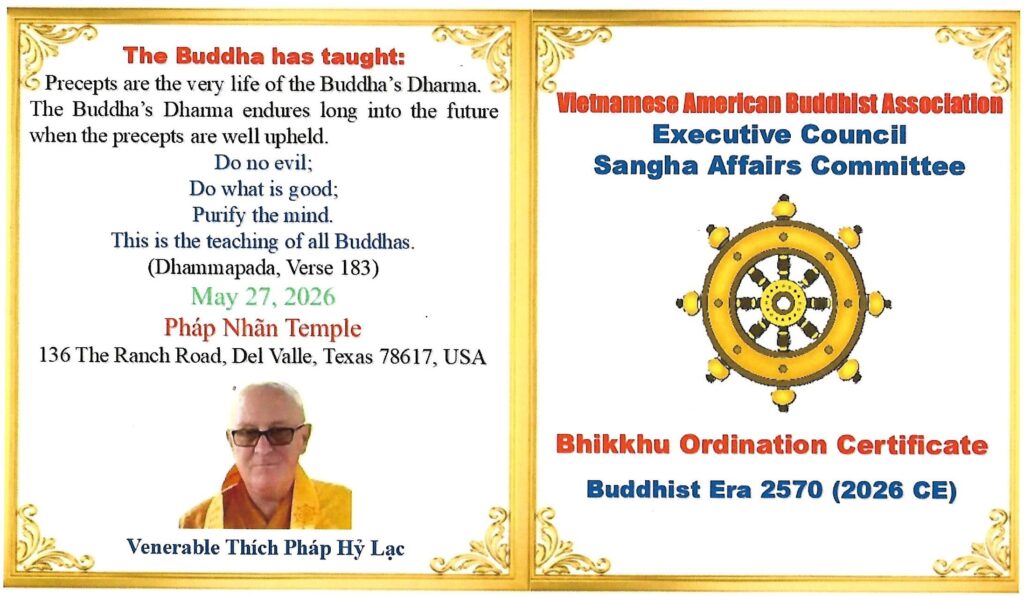
Below is the Certificate of Higher Ordination (Upasampadā) for Pháp Hỷ Lạc.
Facebook Comments Box