Generating Bodhicitta means arousing the aspiration to attain Buddhahood for the benefit of all sentient beings; it is the fundamental seed of the Bodhisattva path. Bodhicitta must be cultivated and nurtured through compassion, wisdom, diligence, generosity, ethical discipline, patience, and non-negligence. Practitioners must uphold their aspiration firmly, transforming a narrow and attached mind into a vast, genuine, and perfect mind. Generating Bodhicitta must be accompanied by practice, taking self-awakening and awakening others as the goal, and the Six Paramitas as the means of cultivation. Preserving unwavering Bodhicitta is the path that leads practitioners toward Anuttarā-samyak-saṃbodhi, the unsurpassed perfect enlightenment.
AROUSING BODHICITTA AND NURTURING THE SEED OF ENLIGHTENMENT, CHAPTER II (SUMMARY)
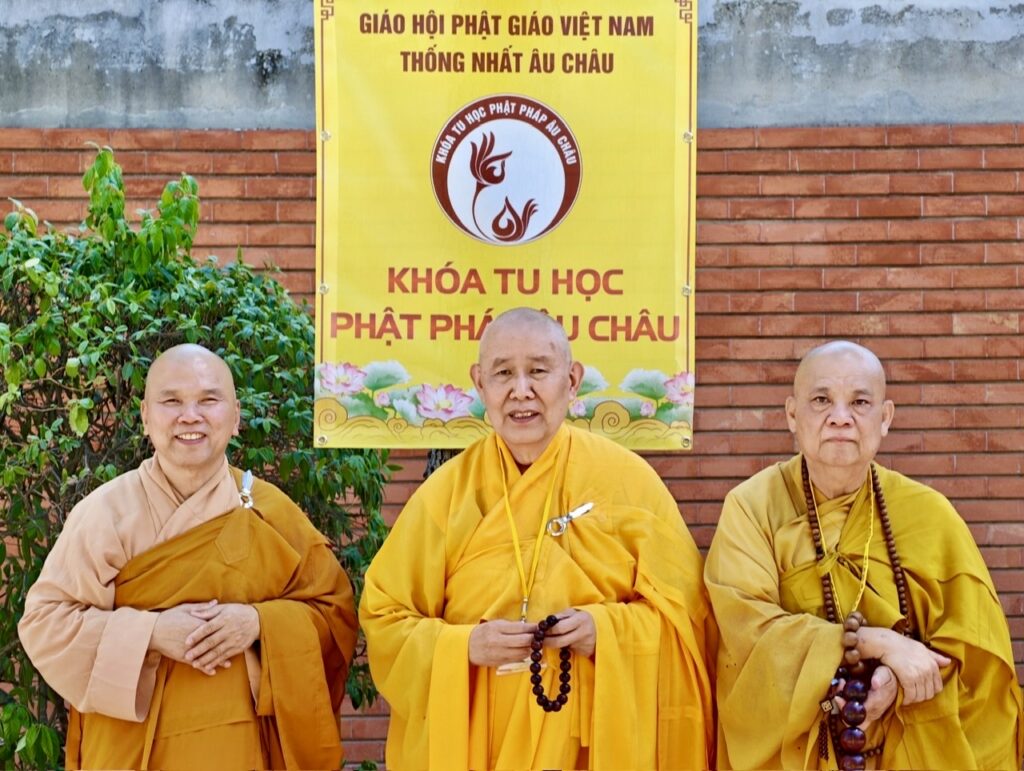
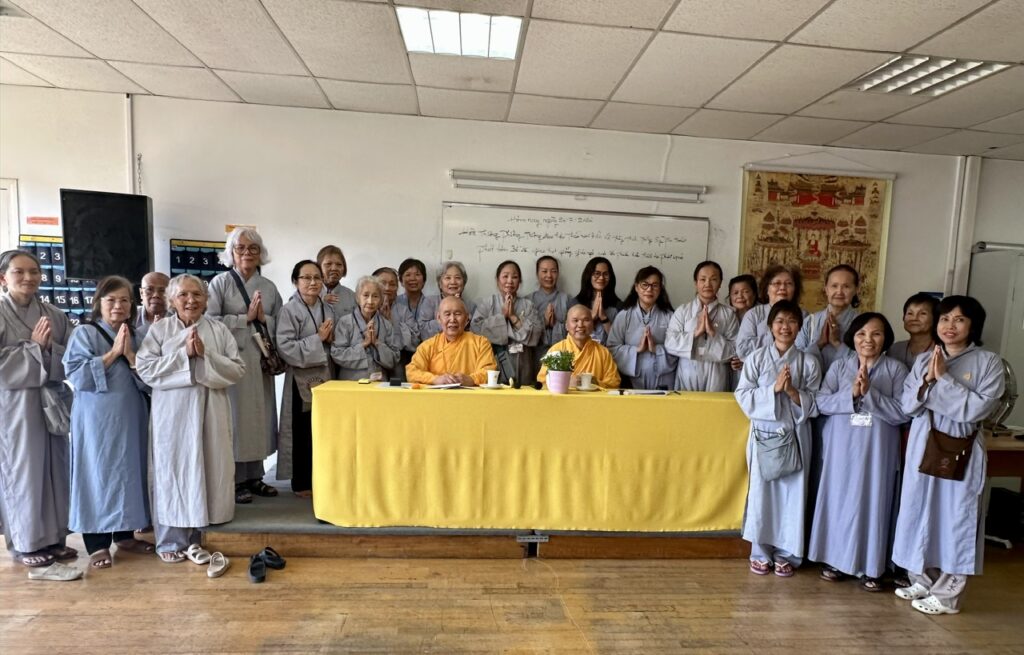
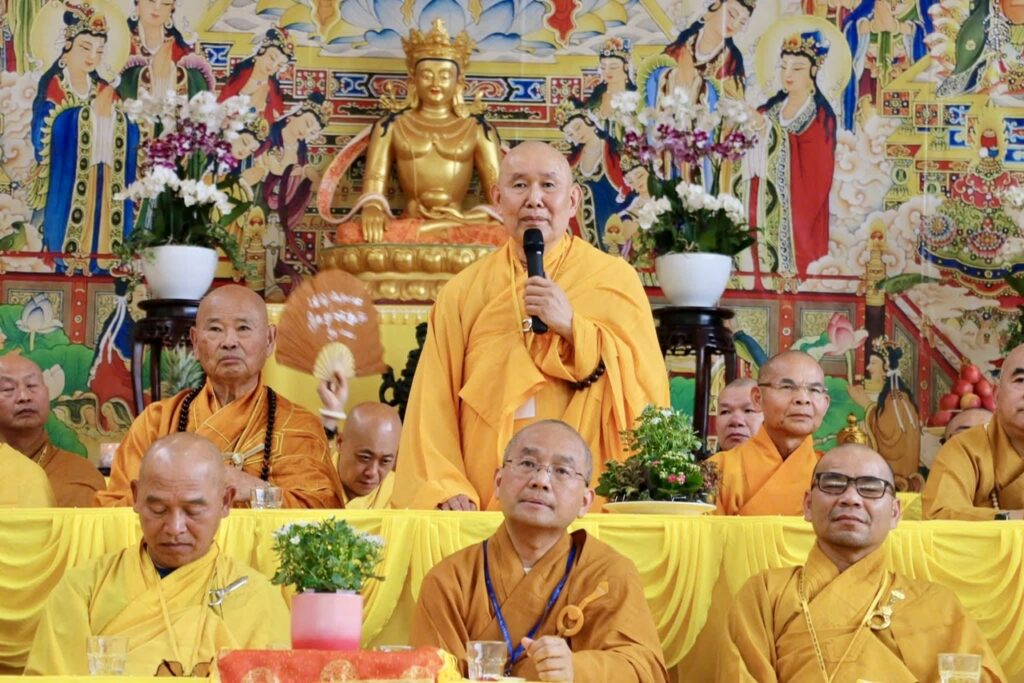
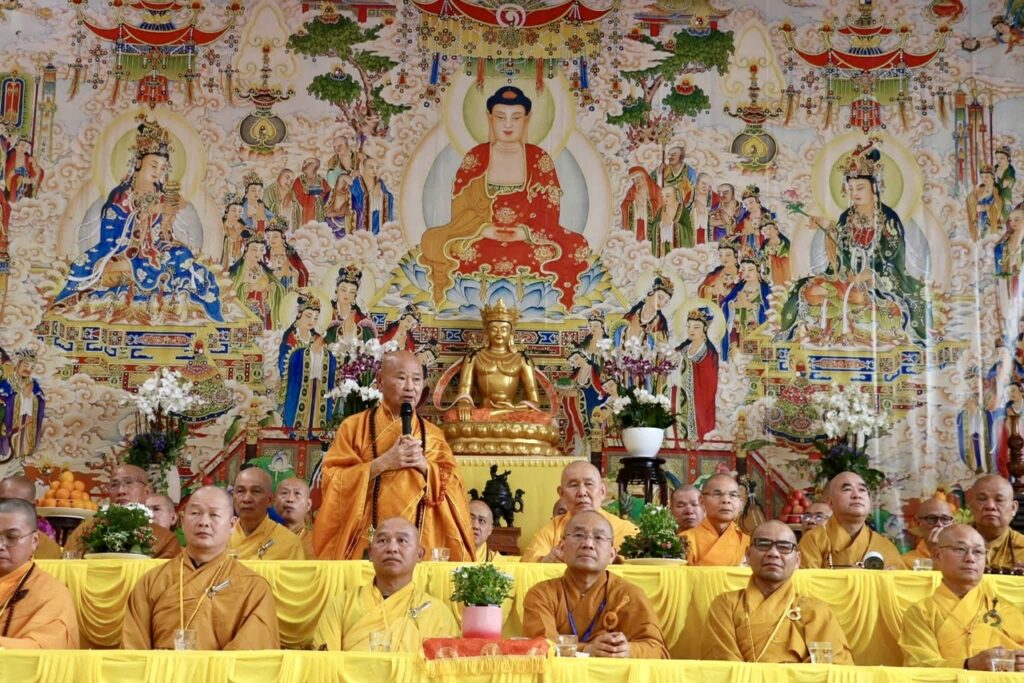
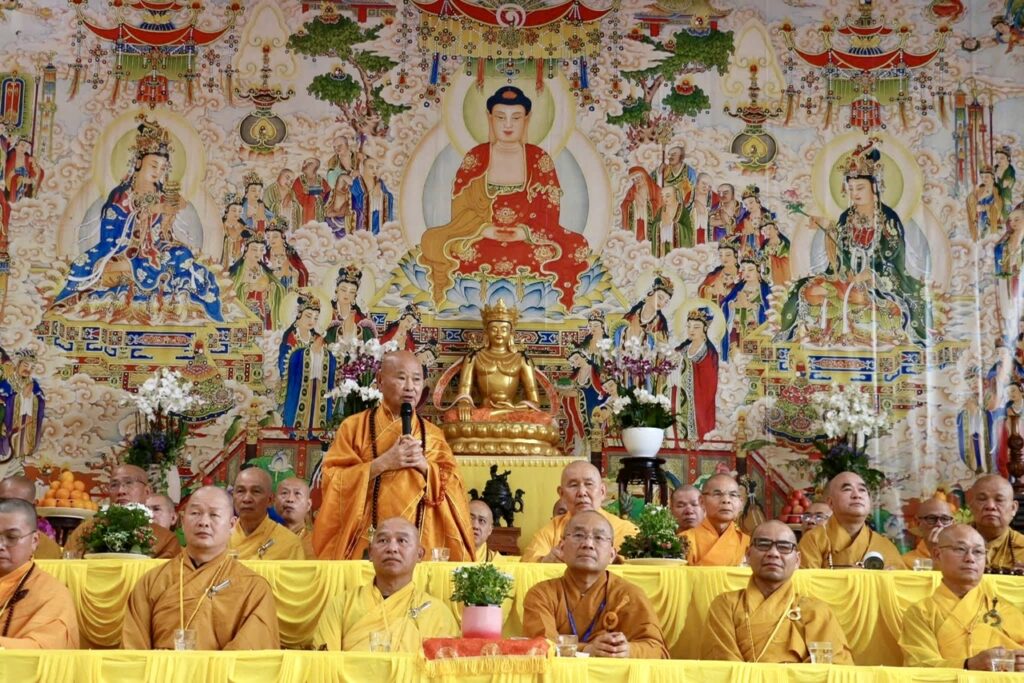
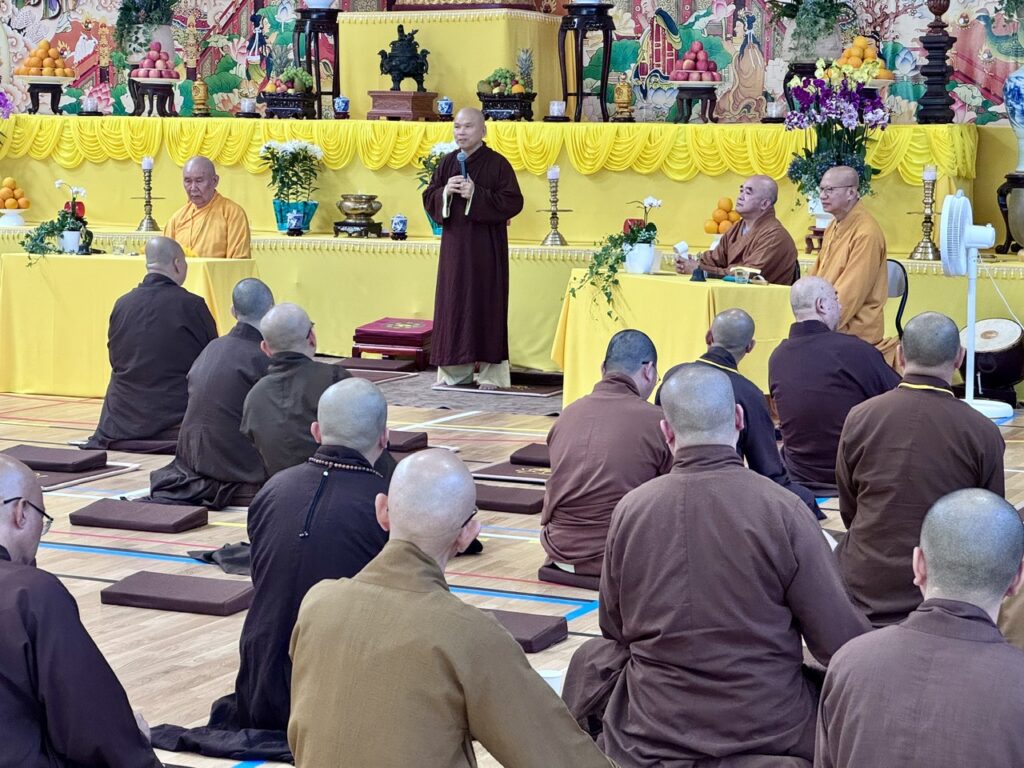
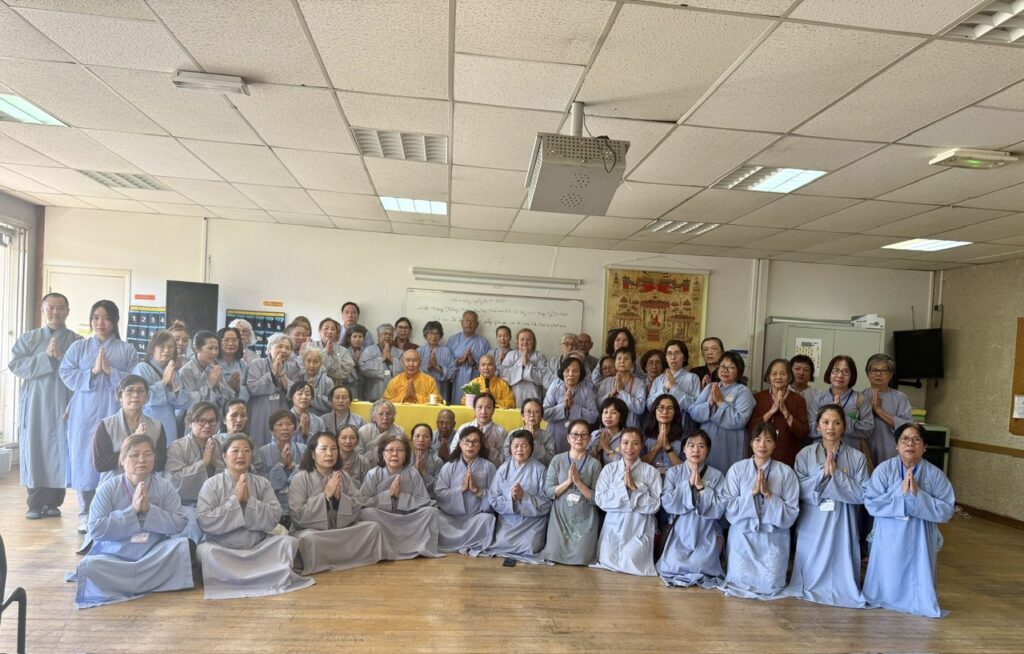
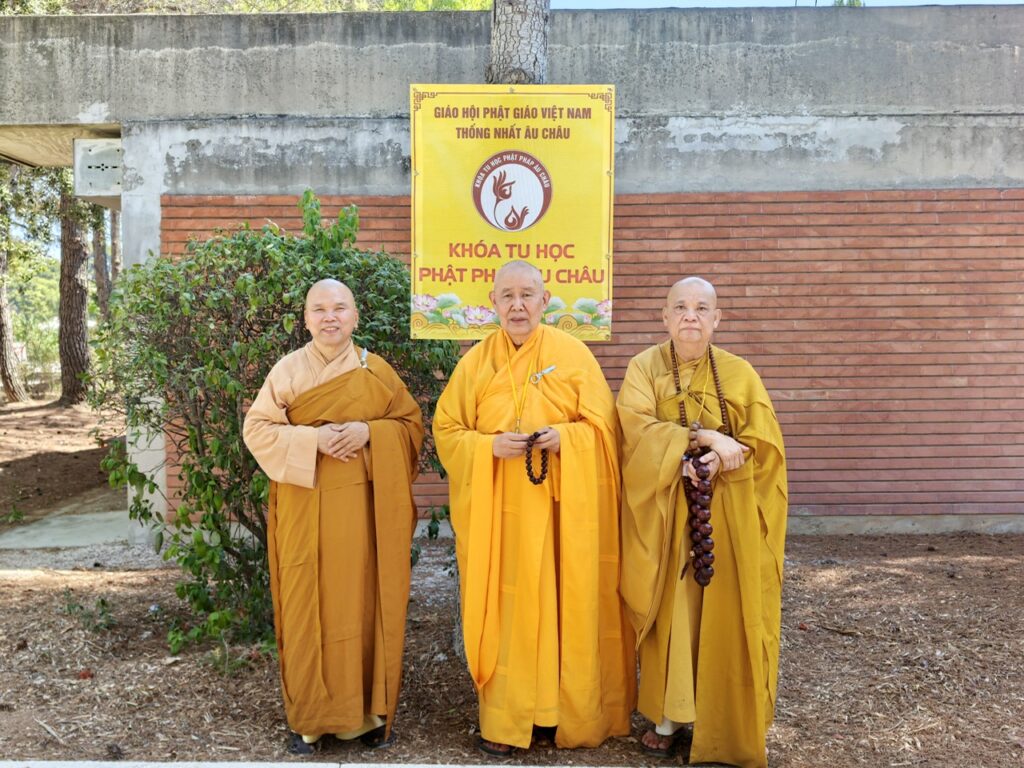
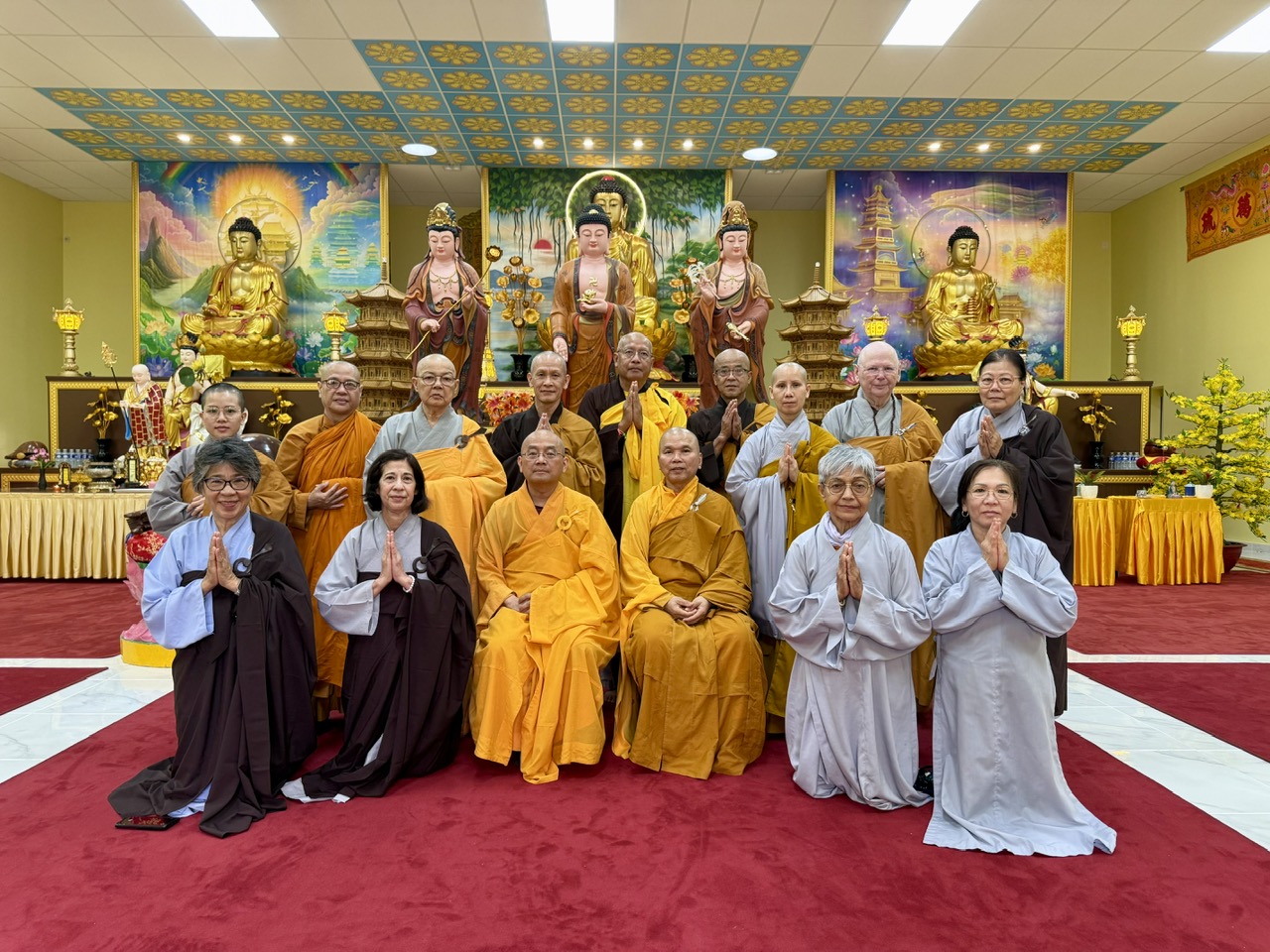
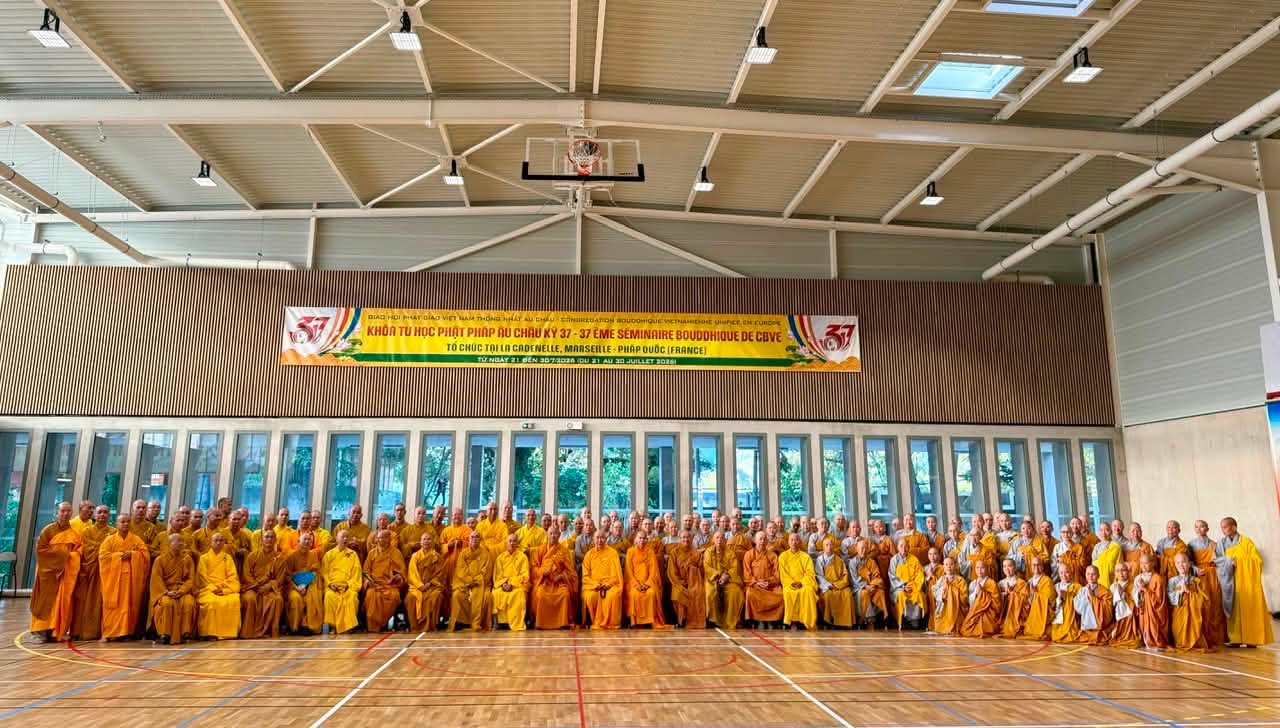
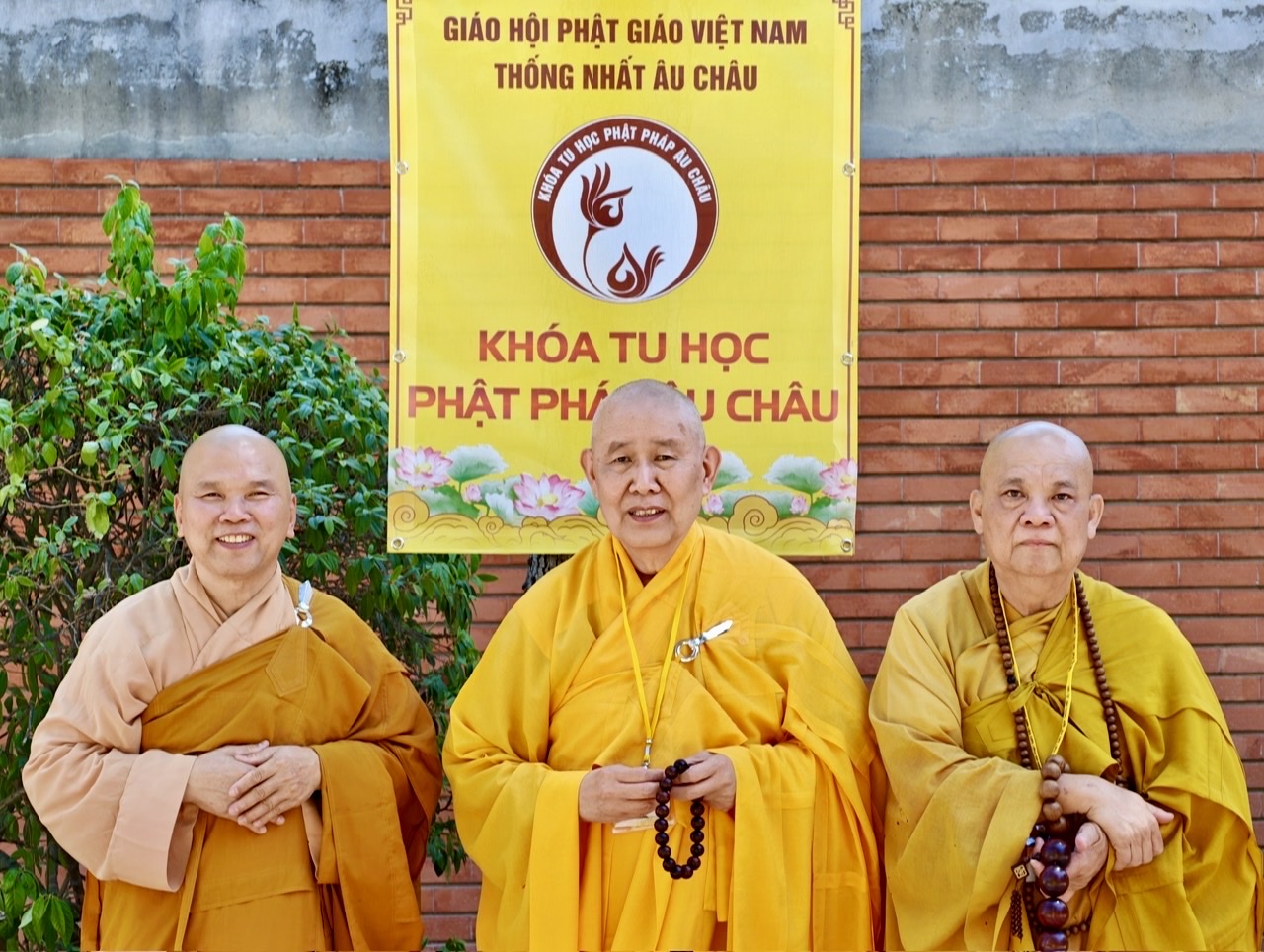
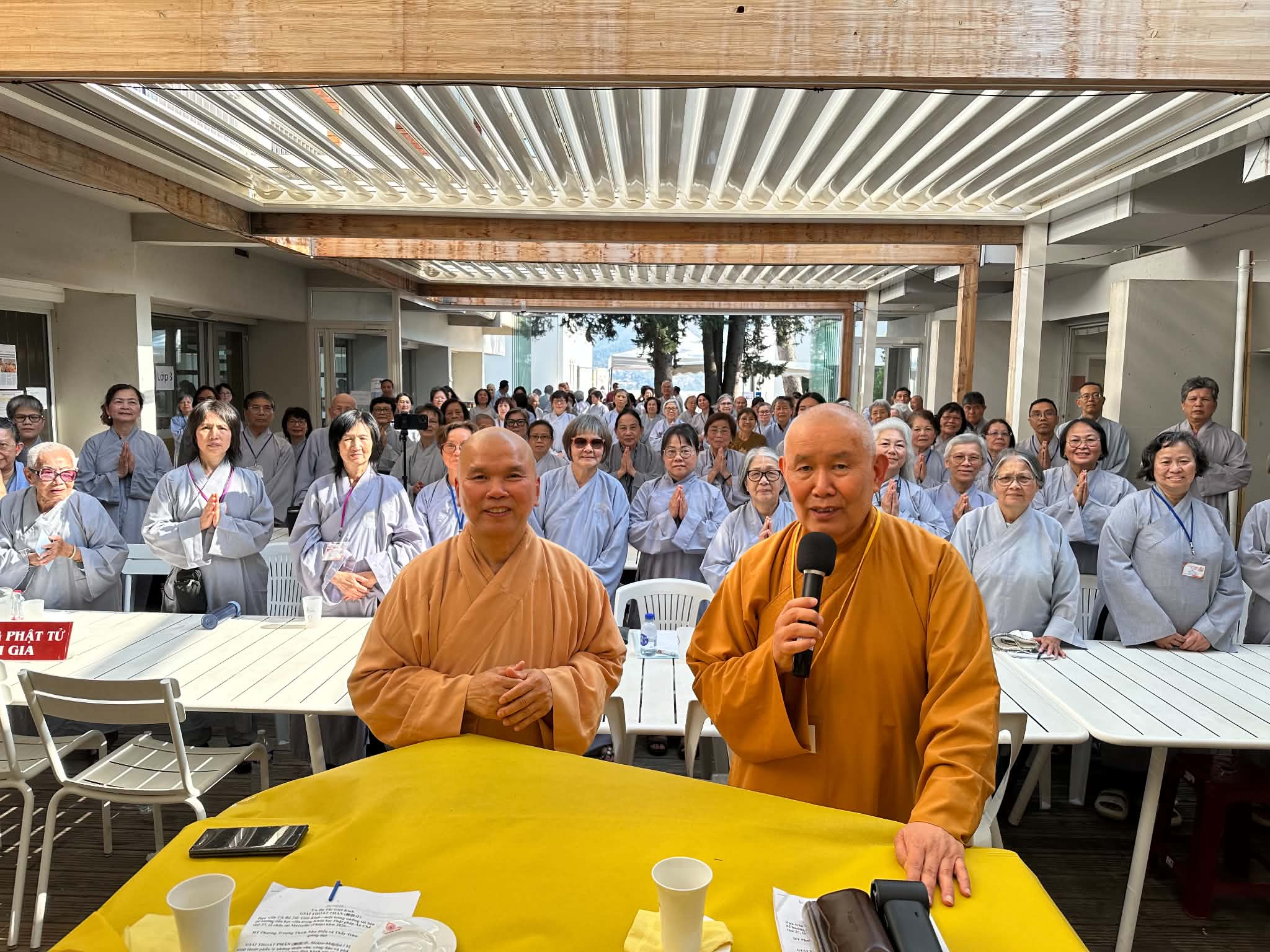
Compiled based on the Upāsaka Śīla Sūtra (Upāsaka Precepts Sūtra)—one of the principal study texts used to guide participants in the 37th European Ten-Day Buddhist Study Course, held in Marseille, France, in 2026—the following section summarizes the essential teachings on the arising of Bodhicitta and the path of practice leading to Anuttara Samyaksaṃbodhi (the unsurpassed, complete, and perfect enlightenment).
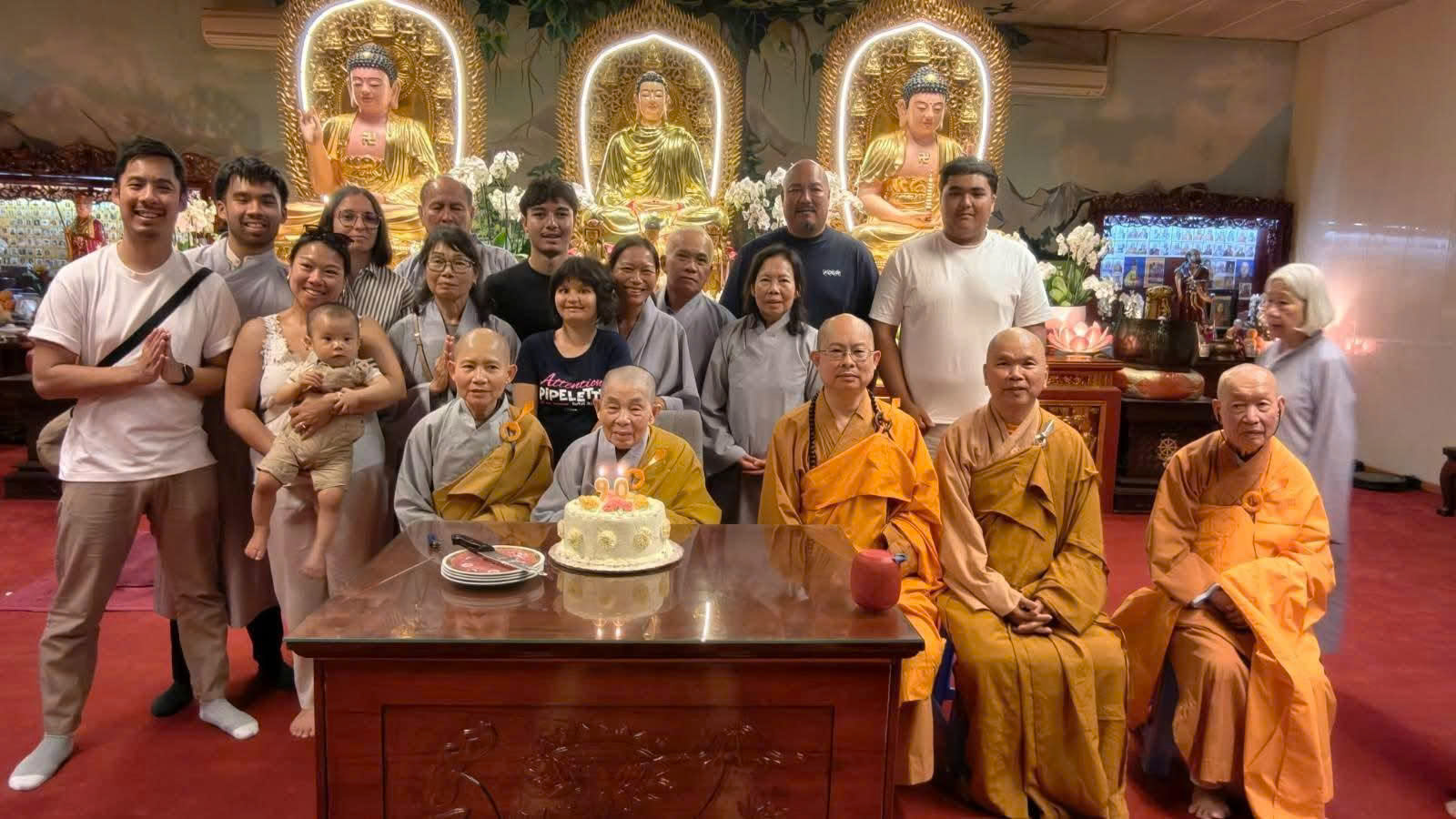
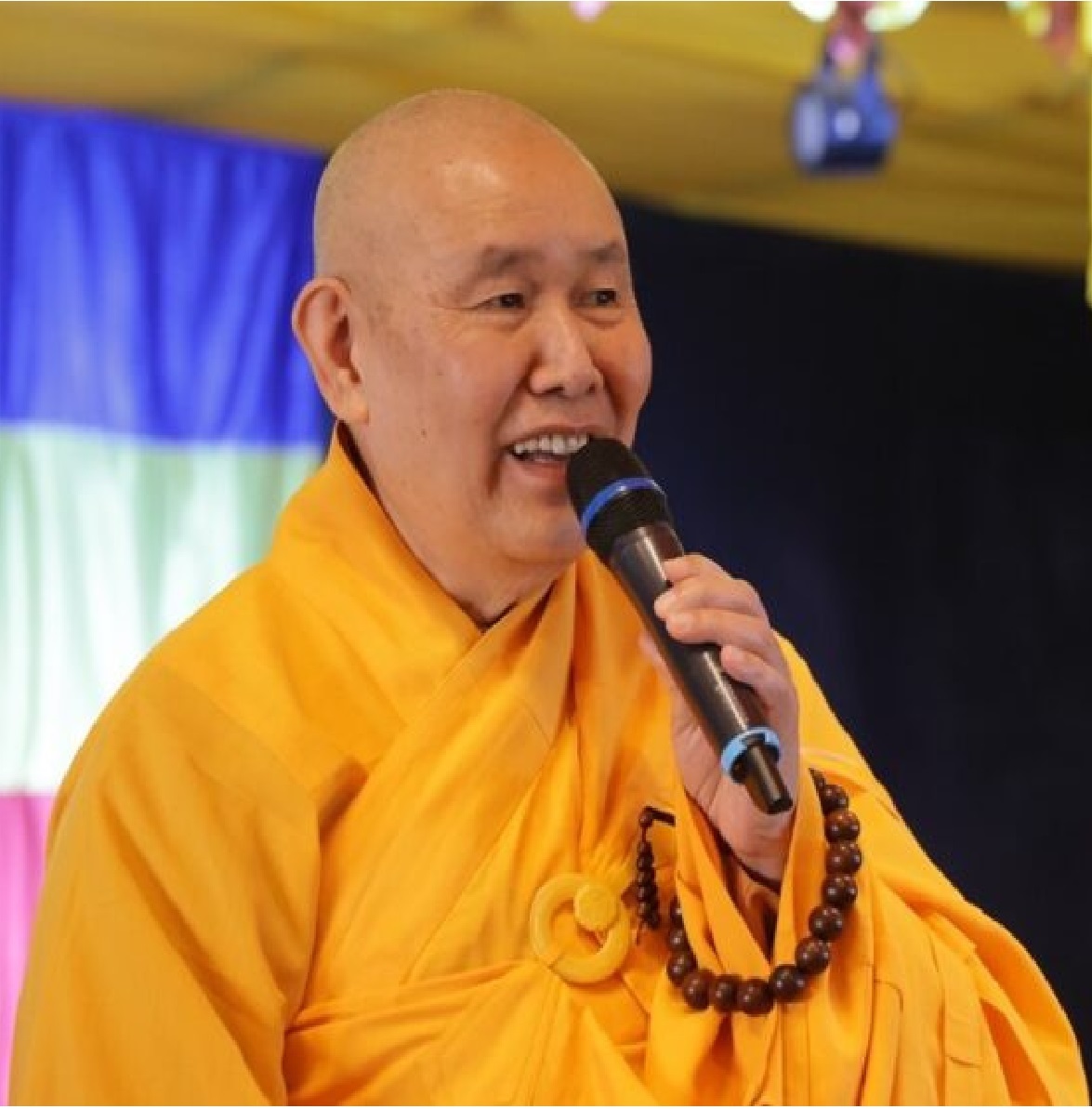
Dharma Teachings by the Most Venerable Abbot Thích Như Điển and Venerable Thích Trừng Sỹ
The Buddha taught that Bodhicitta is the very foundation of the Bodhisattva path and the cause and condition for attaining Supreme Perfect Enlightenment (Anuttarā Samyaksaṃbodhi). Yet Bodhicitta does not arise on its own. It must be planted, nurtured, and cultivated through wisdom, compassion, diligent effort, and steadfast practice in accordance with the Dharma.
1. Bodhicitta is established upon four fundamental foundations: 1. Freedom from attachment to material possessions—practicing generosity, letting go, and directing one’s life toward the highest good. 2. Selfless dedication—not clinging even to one’s own life, but being willing to sacrifice oneself for the sake of the True Dharma and the welfare of all sentient beings. 3. The practice of patience (kṣānti)—enduring hardships and adversity without anger or retreating from the path. 4. The cultivation of great compassion—loving, helping, and working for the benefit of all sentient beings. These four seeds form the foundation from which the aspiration for enlightenment arises and upon which the Bodhisattva path is cultivated. 2. Five Practices for Strengthening Bodhicitta Those who have generated Bodhicitta should continually cultivate the following five practices: 1. Never belittle yourself; have confidence that you possess the capacity to attain Buddhahood. “If others have realized the Way of Awakening, I too possess the same potential. Therefore, I should never belittle myself or retreat in discouragement.” — Chan Master Guishan Dayuan 2. Encountering hardships and adversity without regret; always maintaining one’s resolve and never retreating from the path. 3. Practicing diligently, without negligence or laziness. 4. Relieving the suffering of sentient beings, and making their welfare the purpose of one’s spiritual cultivation. 5. Praising the virtues and merits of the Three Jewels, thereby nurturing faith and reverence toward the Buddha, Dharma, and Saṅgha. Through these five practices, the seed of Bodhicitta continues to grow and flourish with increasing strength.
AROUSING ING BODHICITTA (發菩提心, Bodhicitta)
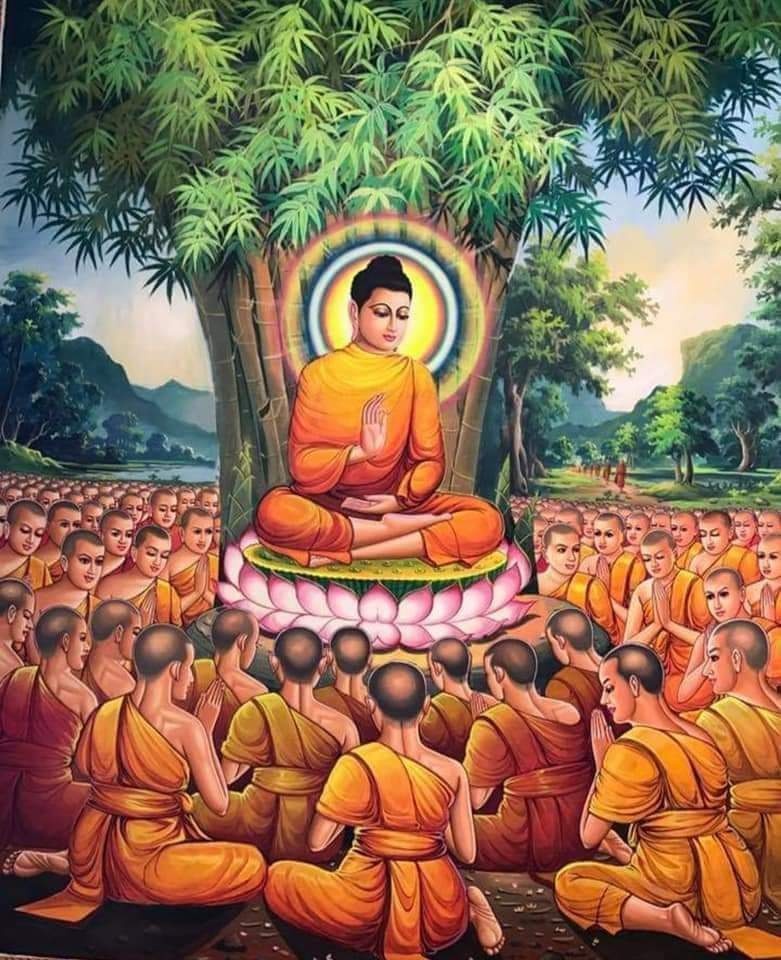
Arousing Bodhicitta means arousing the great aspiration to attain Buddhahood for the sake of liberating all sentient beings. It is the starting point of the Bodhisattva path and the fundamental cause and condition leading to the attainment of Anuttarā-samyak-saṃbodhi (無上正等正覺, Supreme Perfect Enlightenment). The Buddha and the Patriarchs taught: “If the cause is not true and upright, the result will become distorted.” (因地不真,果招迂曲). If the initial cause is not pure and correct, the later result will be difficult to achieve in perfection. Therefore, generating Bodhicitta is precisely the planting of the seed for attaining Buddhahood. I. What is Bodhi? Bodhi means Enlightenment, referring to the perfect wisdom that clearly realizes the truth of impermanence, non-self, causality, dependent origination, and emptiness. Through this wisdom, all afflictions are eradicated, suffering is brought to an end, and complete liberation is attained. This is the very wisdom of all Buddhas. II. What does “Arousing the Mind” mean? Arousing the mind means allowing the awakened mind to arise and gradually grow stronger. Just as a seed can become a tree only when it is planted, nurtured, and cared for, Buddha-nature, though inherently present within all beings, remains only a latent potential if it is not awakened and cultivated. Arousing the mind is to awaken that seed of enlightenment and begin the journey of spiritual cultivation. For example, someone may aspire to become a Buddhist and take refuge in the Three Jewels, but realize that they have not yet fully gathered the necessary conditions. At that time, we should understand that favorable conditions do not arise by themselves; rather, they must be cultivated through diligent practice, learning, and wholesome actions. By accumulating sufficient wholesome causes and conditions, we can eventually fulfill our noble aspirations. III. What is arousing Bodhicitta? Arousing Bodhicitta means arousing the great aspiration to attain Buddhahood for the benefit of all sentient beings, rather than seeking liberation solely for oneself. This spirit is encapsulated in two expressions: 上求佛道 (Thượng cầu Phật đạo — Seeking the Buddha Way Above): Diligently practicing and learning, eliminating afflictions, developing wisdom, and attaining Buddhahood.
下化眾生 (Hạ hóa chúng sinh — Transforming and Guiding Sentient Beings Below):
Using compassion to help, teach, and guide all sentient beings toward enlightenment and liberation.
This is the noble ideal of the Bodhisattva path, harmoniously integrating self-awakening and awakening others, as well as wisdom and compassion.
Kṣitigarbha Bodhisattva is renowned for His great vow and boundless compassion. He made this vow:
“Until hell is empty, I will not become a Buddha.
Only after all sentient beings have been liberated will I attain Enlightenment.”
This means: As long as there are beings suffering in the hell realms, He vows not to attain Buddhahood. He will attain Supreme Enlightenment only after all sentient beings have been liberated.
IV. The Two Aspects of Bodhicitta
Bodhicitta consists of two inseparable aspects:
1. Aspiration Bodhicitta (Praṇidhāna Bodhicitta):
The arising of the aspiration to attain Buddhahood and the vow to liberate all sentient beings. This is the initial step, like a person who has made the decision to embark on a journey toward a noble and lofty goal.
2. Engaged Bodhicitta (Prasthāna Bodhicitta):
Transforming aspiration into action by practicing morality, generosity, patience, diligence, meditation, and the cultivation of wisdom; that is, practicing the Six Pāramitās for the benefit of oneself and others.
An aspiration without practice is difficult to fulfill; practice without a great aspiration can easily lose its direction. Therefore, aspiration and action must always go hand in hand.
Bodhi Mind – The arising of the aspiration for enlightenment.
Bodhi Vow – The great vow to attain Buddhahood and liberate all sentient beings.
Bodhi Practice – The practice of the Bodhisattva path.
Bodhi Power – The strength to persevere without regression.
Bodhi Wisdom – The wisdom that realizes truth and dispels ignorance.
Bodhi Compassion – Great compassion that embraces and liberates all sentient beings.
The Bodhi Mind is the foundation.
The Bodhi Vow is the direction.
The Bodhi Practice is the cultivation.
The Bodhi Power is the strength.
The Bodhi Wisdom is the light.
And the Bodhi Compassion is the heart of the path to Buddhahood.
V. Bodhicitta must be expressed through action
Generating Bodhicitta is not merely making a vow or expressing an aspiration; it must be manifested through our every action in daily life. A person who possesses Bodhicitta continually strives to:
• Uphold moral discipline and purify body and mind.
• Nurture compassion and be mindful of the needs of others.
• Practice generosity, patience, and tolerance.
• Diligently cultivate learning and develop wisdom.
• Perform wholesome deeds without seeking fame or personal gain.
• Dedicate all merits and virtues to all sentient beings.
This is the living Bodhicitta—Bodhicitta that is manifested through daily practice in life, not merely through empty words.
VI. Why is Bodhicitta important?
In many Mahāyāna sūtras, Bodhicitta is compared to:
• A seed, because without a seed, a tree cannot grow; likewise, without Bodhicitta, one cannot attain Buddhahood.
• The earth, because all merits and virtues grow from Bodhicitta.
• The sun, because it illuminates the path of cultivation.
• A great ocean, because it embraces infinite merits, virtues, vows, and aspirations.
• A king, because it stands foremost among all wholesome dharmas.
Bodhicitta is compared to a king because it holds the highest position, governing and guiding all wholesome dharmas. Just as a king stands at the head of a nation, Bodhicitta stands foremost among all virtuous states of mind. It is the driving force that inspires practitioners to develop great compassion, cultivate the Bodhisattva practices, and aspire toward enlightenment for the benefit of all sentient beings.
These images affirm that all Bodhisattva practices and virtues originate from Bodhicitta.
VII. Nurturing and Preserving Bodhicitta
Bodhicitta must be continuously cultivated and nurtured so that it will not decline or regress. Practitioners should:
• Frequently renew their vows and remind themselves of their original aspirations.
• Associate with virtuous spiritual friends and teachers.
• Read, recite, study, and put the Dharma into practice.
• Practice the Six Pāramitās (Six Perfections).
• Cultivate compassion and contemplate that all sentient beings possess Buddha-nature.
• Dedicate all merits and virtues to all beings throughout the Dharma realm.
• Persevere in the face of difficulties and never lose resolve because of adverse circumstances.
Conversely, selfishness, attachment to the self, seeking fame and personal gain, arrogance, anger, and neglecting altruistic practices will gradually weaken Bodhicitta.
VIII. The Essential Spirit of Developing Bodhicitta
The spirit of Bodhicitta can be summarized in four great vows:
For the sake of all sentient beings, I vow to attain Buddhahood.
In order to attain Buddhahood, I diligently cultivate all merits and virtues.
I dedicate all merits and virtues throughout the entire Dharma realm.
Until all sentient beings attain enlightenment, I will never retreat from this aspiration.
Developing Bodhicitta is the complete integration of great compassion and great wisdom, of self-awakening and awakening others, and of spiritual ideals and actual practice. It is the source of all Bodhisattva practices, the seed of Buddhahood, and the foundation of the entire Mahāyāna path.
Those who genuinely develop Bodhicitta not only transform themselves but also contribute to bringing the light of enlightenment and compassion to all sentient beings.
THE EIGHT ASPECTS OF BODHICITTA ASPIRATION
In the process of developing Bodhicitta, the aspirations of practitioners may exist at different levels and degrees. The ancient masters taught that Bodhicitta should be examined through eight aspects:
Deviated and Proper,
True and False,
Great and Lesser,
Partial and Perfect.
This is a method that helps practitioners clearly recognize the motivations behind their aspiration, adjust the direction of their practice, and gradually progress more deeply along the Bodhisattva path.
1. Deviated Aspiration (邪心) – To Be Abandoned
A deviated aspiration is a type of aspiration that does not aim toward true enlightenment but is still influenced by fame, personal gain, praise, worldly pleasures, worldly blessings, and individual benefits.
Even when one performs wholesome deeds or engages in religious practices, if one remains attached to desires and the notion of self, such practices cannot lead to liberation. Therefore, this kind of aspiration must be eliminated so that the mind can return to the true goal of awakening and enlightenment.
2. Proper Aspiration (正心) – To Be Cultivated
A proper aspiration is a wholesome aspiration directed toward the path of awakening. It is free from the pursuit of worldly fame and personal gain, and aspires to transcend birth and death, eradicate mental afflictions, and progress toward enlightenment.
This is the proper foundation for Buddhist practice. However, it should continue to expand from self-awakening to awakening others, and from self-benefit to the welfare of all sentient beings.
A proper aspiration is the first step in the development of Bodhicitta.
3. True Aspiration (真心) – To Be Preserved
A true aspiration is a sincere, steadfast, and unwavering resolve characterized by the following qualities:
• Constantly directed toward the path of Buddhahood.
• Always dedicated to the welfare of all sentient beings.
• Unafraid of hardships and challenges on the path of cultivation.
• Never discouraged by the karmic obstacles of sentient beings.
This is the mind of a Bodhisattva practitioner, who draws strength from great vows and is firmly grounded in great compassion.
4. False Aspiration (偽心) – To Be Abandoned
A false aspiration is the resolve to cultivate Bodhicitta that lacks sincerity and authenticity. It is characterized by:
• Recognizing one’s faults but making no effort to correct them.
• Being aware of one’s shortcomings but failing to repent.
• Practicing the Dharma outwardly while inwardly remaining attached to greed, hatred, and delusion.
• Performing wholesome deeds merely to seek fame, praise, or recognition.
Such practice emphasizes outward appearances while lacking genuine inner transformation. It focuses on external forms rather than the purification of the mind.
False aspiration should be transformed through sincerity, repentance, and diligent practice, allowing genuine inner transformation to arise.
5. Great Aspiration (大心) – To Be Aroused
A great aspiration is a vast and all-embracing resolve:
“Above, to seek the Buddha Way; below, to liberate all sentient beings.”
It is not merely the aspiration to attain enlightenment for oneself, but also the vow to help all sentient beings transcend suffering and attain peace, happiness, and liberation.
This is the noble aspiration of a Bodhisattva.
6. Lesser Aspiration (小心) – To Be Transcended
A lesser aspiration is the aspiration that seeks only one’s own liberation, fearing the cycle of birth and death while lacking the vow to liberate sentient beings.
It is a wholesome aspiration, yet it remains limited and does not fully correspond to the vows and practices of a Bodhisattva.
One should expand this aspiration from self-liberation to the liberation of others.
7. Partial Aspiration (偏心) – To Be Rectified
A partial aspiration is an aspiration that is directed toward the right path of practice but still contains attachment and a limited perspective. It is characterized by:
Perceiving a distinction between oneself and others.
Seeing oneself as the one who saves and others as those who are saved.
Becoming attached to methods, practices, and the results of cultivation.
One should transform this discriminating view into the wisdom of equality and perfect integration, which embraces all beings without
attachment or separation.
8. Complete Aspiration (圓心) – The Ultimate Goal
A complete aspiration is the perfect and fully developed Bodhicitta, which clearly realizes that:
• The Buddha and sentient beings are not separate from one’s own mind.
• The nature of awakening is inherently present in all sentient beings.
• One performs wholesome deeds without attachment to merit, and liberates sentient beings without clinging to the notion of a liberator or those being liberated.
This is the perfect integration of Prajñā wisdom and the great compassion of the Bodhisattva.
Summary: Which Aspirations Should Be Abandoned, and Which Should Be Cultivated?
❌ Misguided Aspiration (Tà tâm) – because it is still driven by fame, worldly gains, and attachment to the self.
❌ False Aspiration (Ngụy tâm) – because it lacks sincerity and genuine inner transformation.
❌ Lesser Aspiration (Tiểu tâm) – because it seeks only personal benefit and lacks great compassion.
❌ Partial Aspiration (Thiên tâm) – because it remains bound by attachment and discriminating views.
Aspirations to Be Cultivated:
• ✅ Right Aspiration (正心) – the foundation for developing a properly directed aspiration.
• ✅ Genuine Aspiration (真心) – the steadfastness and sincerity in one’s practice.
• ✅ Great Aspiration (大心) – the vast vow and noble resolve of a Bodhisattva.
• ✅ Complete Aspiration (圓心) – the state of perfect and complete awakening.
• The Path of Nurturing Bodhicitta Can Be Summarized as:
• Abandon the Misguided – abandon the False – transcend the Lesser – transform the Partial.
Maintain the Right – cultivate the Genuine – develop the Great – aspire toward the Complete.
• This is the gradual process from the initial arising of Bodhicitta to the perfection of Buddhahood; from self-awakening to awakening others; and from the initial aspiration of faith to the complete fulfillment of wisdom and compassion.
3. The Six Pāramitās and Non-Negligence
The seed of Bodhicitta is nurtured through the practice of the Six Pāramitās:
• The Pāramitā of Giving (Dāna Pāramitā)
• The Pāramitā of Precepts (Śīla Pāramitā)
• The Pāramitā of Patience (Kṣānti Pāramitā)
• The Pāramitā of Diligence (Vīrya Pāramitā)
• The Pāramitā of Meditation (Dhyāna Pāramitā)
• The Pāramitā of Wisdom (Prajñā Pāramitā)
Among these six practices, non-negligence is the decisive factor. Those who become careless and lax will diminish their merits and spiritual progress; those who remain mindful and diligent will cause the Bodhisattva practices to continually grow and flourish.
4. Eight Practices for Attaining the Bodhi Path
One who aspires to attain Bodhi should be endowed with the following eight practices:
1. Associate with virtuous spiritual friends (kalyāṇa-mitra).
2. Maintain a steadfast mind that remains unshaken in the face of adversity.
3. Be willing and able to undertake practices that are difficult to accomplish.
4. Constantly cultivate compassion for all sentient beings.
5. Rejoice in the welfare and success of others.
6. Gladly praise and rejoice in the virtues and merits of others.
7. Diligently cultivate the Six Recollections (Ṣaḍanusmṛti).
8. Frequently contemplate the suffering and shortcomings inherent in saṃsāra, the cycle of birth and death.
Without these essential foundations, it is difficult to accomplish the Bodhisattva path.
5. The Merits of arousing the Bodhi Mind
The very moment a Bodhisattva arouses the aspiration for unsurpassed Bodhi (Anuttara-samyak-saṃbodhi), he or she becomes the supreme field of merit in the world, a source through which both devas and humans may cultivate wholesome merit.
However, arousing the Bodhi Mind is only the beginning. More important is to preserve this aspiration, cultivate it continuously through practice, and never allow it to decline or regress.
6. Attaining Buddhahood Is an Exceptionally Difficult Undertaking
The Buddha taught that the worlds are immeasurable, sentient beings are immeasurable, and therefore the Buddhas are likewise immeasurable. Even so, attaining Buddhahood is an exceptionally difficult undertaking, for practitioners must overcome countless karmic obstacles, afflictions, and trials throughout immeasurable aeons.
Therefore, those who follow the path must possess vast aspirations, an unwavering mind, and persevere with unceasing diligence in their cultivation.
7. Many Arouse the Bodhi Mind, but Few Attain Fulfillment
Countless sentient beings arouse the Bodhi Mind, yet only a very few are able to preserve their aspiration steadfastly until they attain enlightenment.
Those who ultimately realize the fruit of the path are likened to:
• The Yāmala tree, which only rarely bears fruit.
• The eggs of fish, which are produced in vast numbers, yet only a few survive to maturity.
This teaching reminds practitioners to continually safeguard the Bodhi Mind and never allow it to regress in the face of adversity or unfavorable conditions.
8. Monastic Bodhisattvas and Lay Bodhisattvas
The Buddha taught that there are two kinds of Bodhisattvas:
• Monastic Bodhisattvas have more favorable conditions for cultivating morality (śīla), concentration (samādhi), and wisdom (prajñā), thereby advancing toward liberation.
• Lay Bodhisattvas face greater challenges because they remain engaged in the responsibilities and attachments of worldly life. Nevertheless, if they steadfastly preserve the Bodhi Mind, practice diligently, and continually work for the welfare of sentient beings, their merits are likewise immeasurable.
Core Meaning
Arousing Bodhicitta (the aspiration for enlightenment) is only the beginning of the path to awakening. A practitioner must continually nurture this aspiration through wisdom, compassion, diligence, the practice of the Six Pāramitās (Perfections), and selfless actions for the benefit of others.
One who remains ever diligent, free from negligence, unwavering in resolve, and cultivates the path for the welfare of all beings will gradually overcome every obstacle and ultimately attain Anuttara Samyaksaṃbodhi—the unsurpassed, complete, and perfect enlightenment.