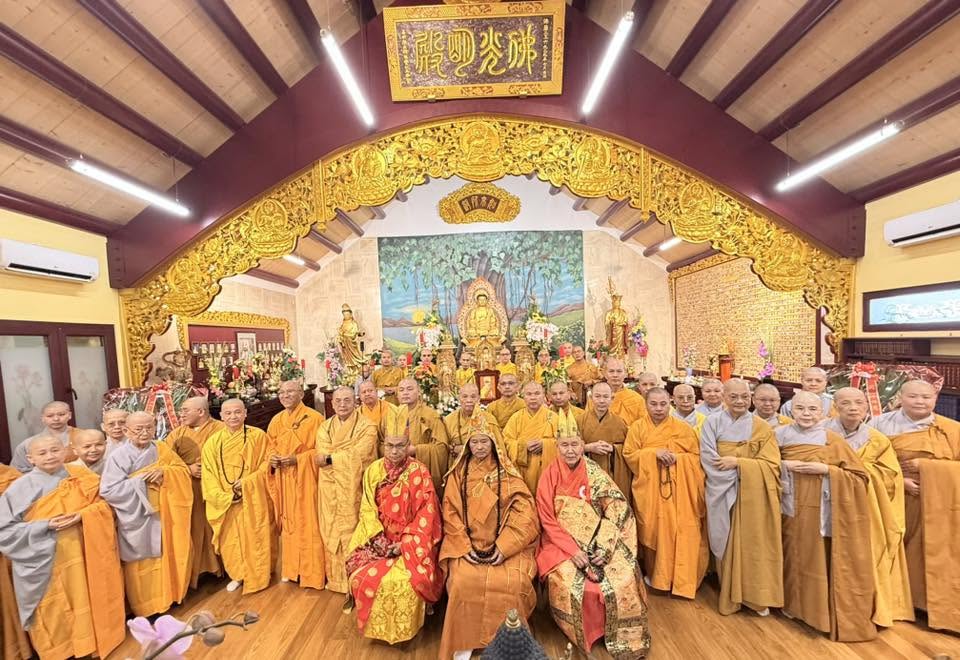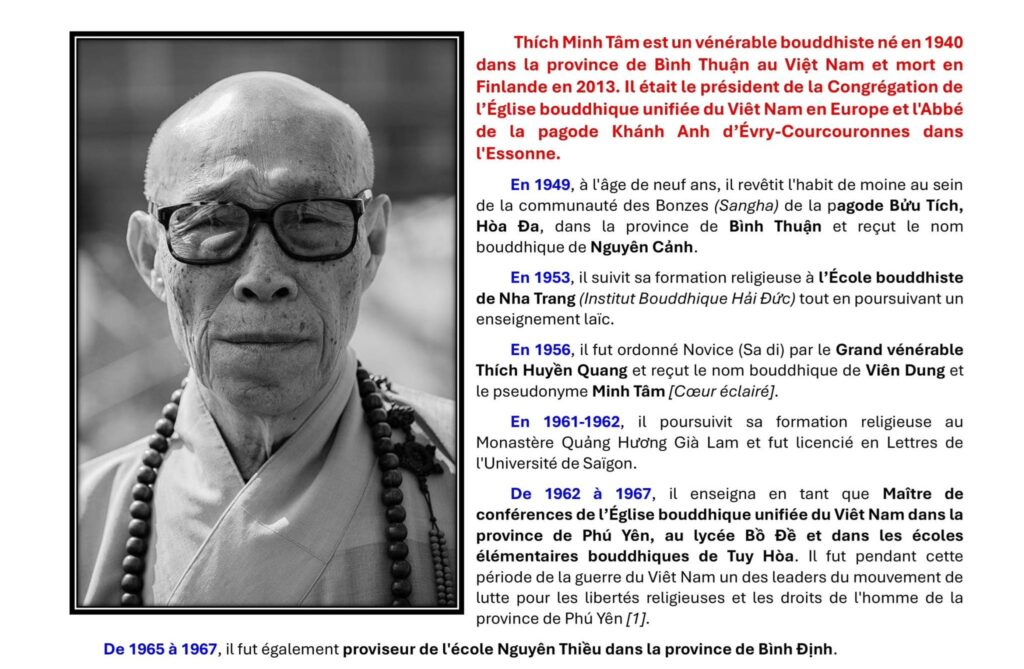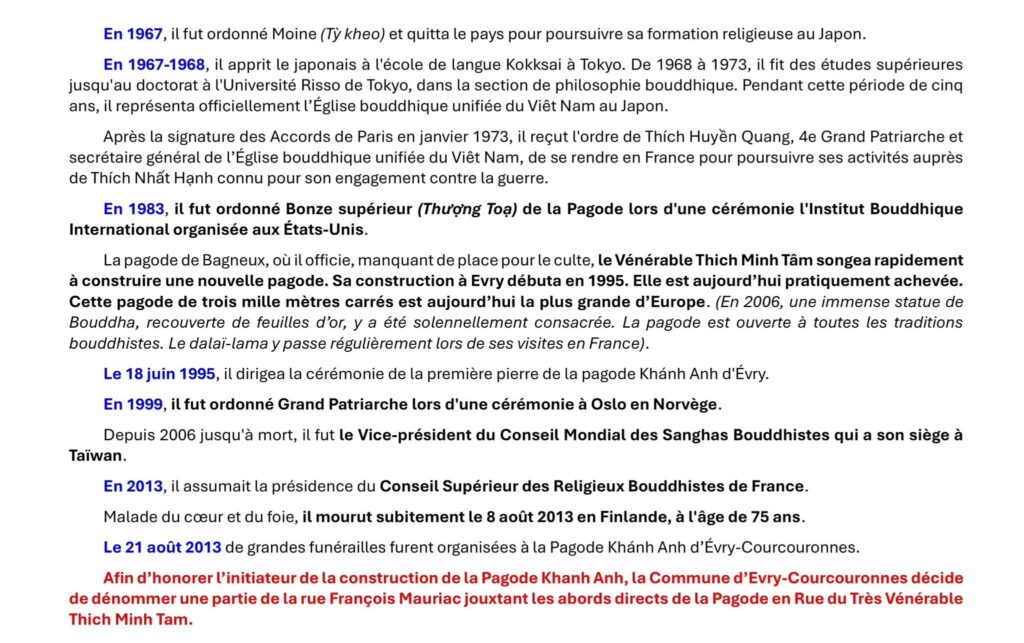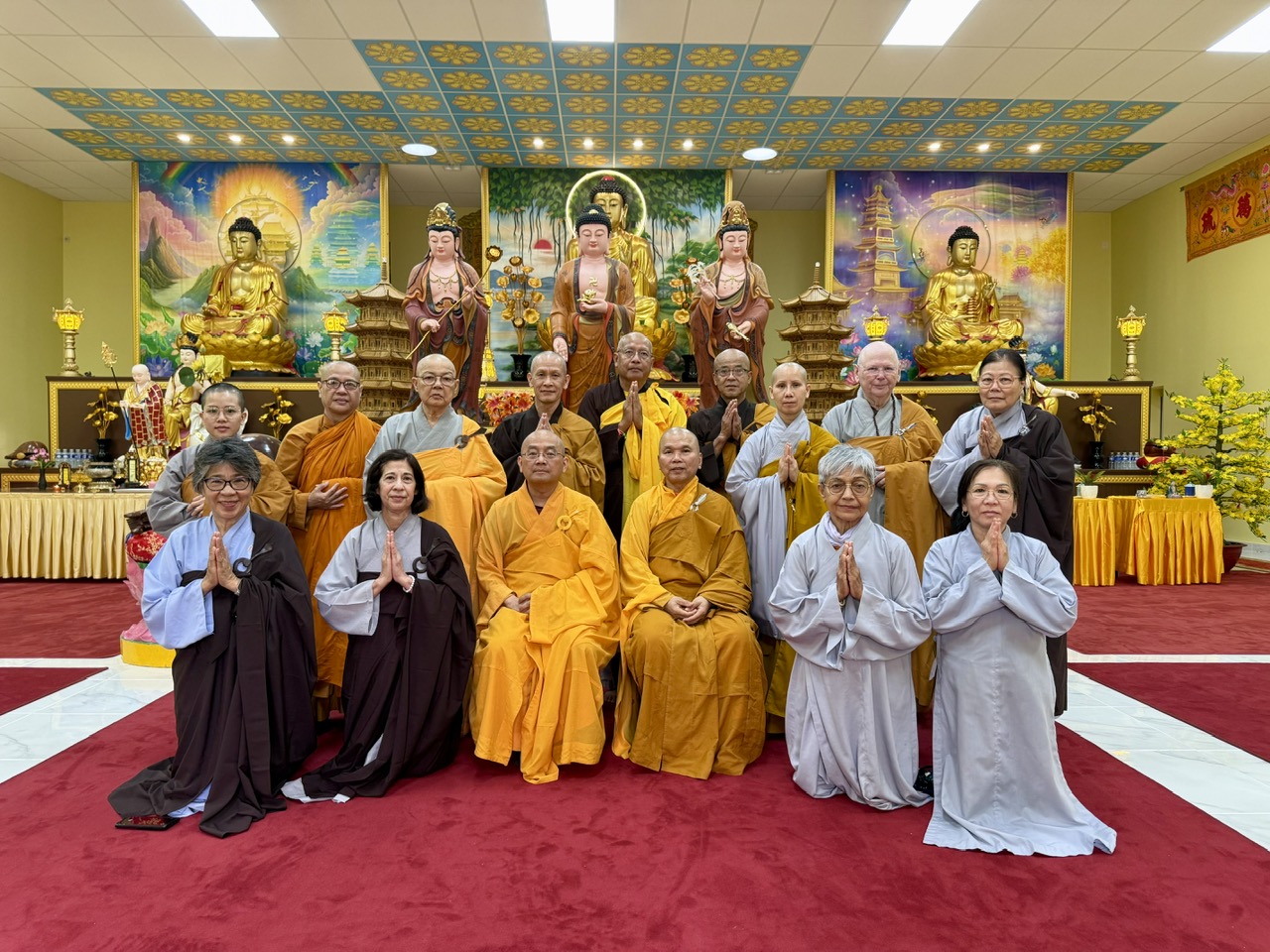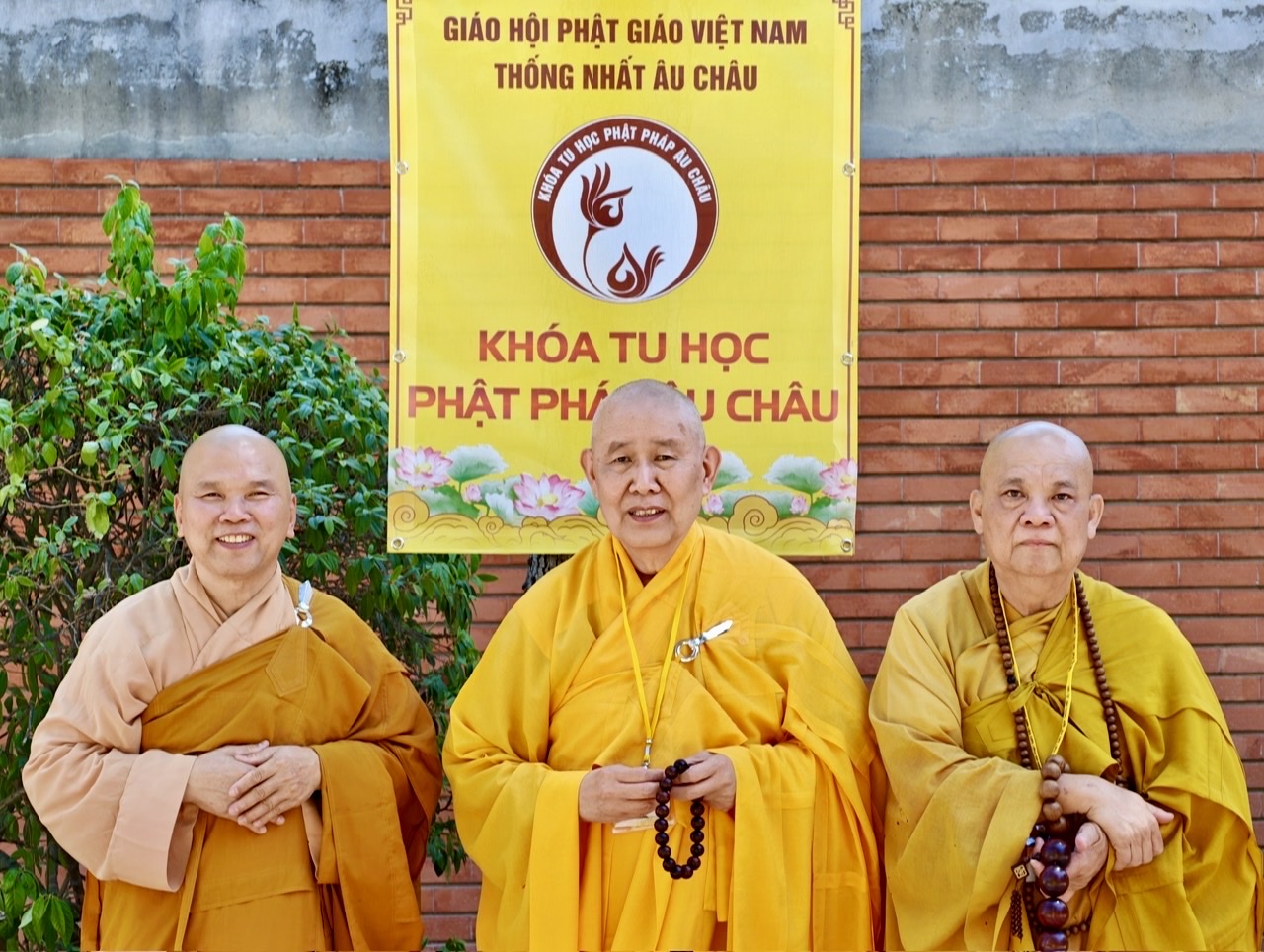
HT. Thích Minh Tâm Ven. Thích Quảng Đạo Ven. Thích Trừng Sỹ
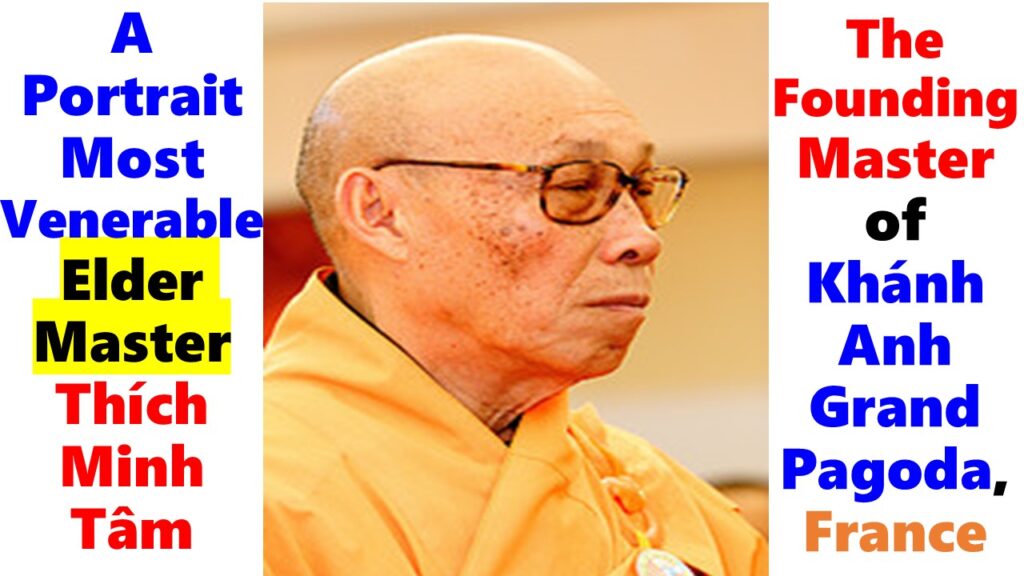
THE MOST VENERABLE MASTER THÍCH MINH TÂM
A LIFETIME OF BUDDHIST PRACTICE, DHARMA PROPAGATION, AND SERVICE TO HUMANITY
Đức Trưởng Lão Hòa Thượng Thích Minh Tâm-Một đời tu học, hoằng Pháp và phụng sự nhân sinh
The life of the Most Venerable Elder Master Thích Minh Tâm was a lifelong journey of Buddhist practice, Dharma propagation, and selfless service. Through this journey, He laid an important foundation for the establishment and development of Vietnamese Buddhism in France and throughout Europe. Through the founding and nurturing of Dharma centers, the building of Khánh Anh Grand Temple, the strengthening of the Sangha, the cultivation of future generations, and the fostering of community bonds, He not only established enduring institutions but also planted a profound spiritual and cultural legacy for generations to come. Although He has entered Parinirvana, His noble aspiration continues to live on through those who carry forward His legacy, through Khánh Anh, and through the path of the Buddha-Dharma that He opened. His greatest legacy, therefore, lies not merely in what He built, but in the path of Buddhist practice, harmony, and selfless service that continues to be carried forward from one generation to the next.
In the history of Vietnamese Buddhism in the diaspora, particularly in the formation and development of Vietnamese Buddhism in France and throughout Europe, the Late Most Venerable Thích Minh Tâm (1940–2013) was a highly revered senior Buddhist monk who left a profound and lasting mark through his lifetime of Buddhist practice, Dharma propagation, education, Sangha building, and service to the community.
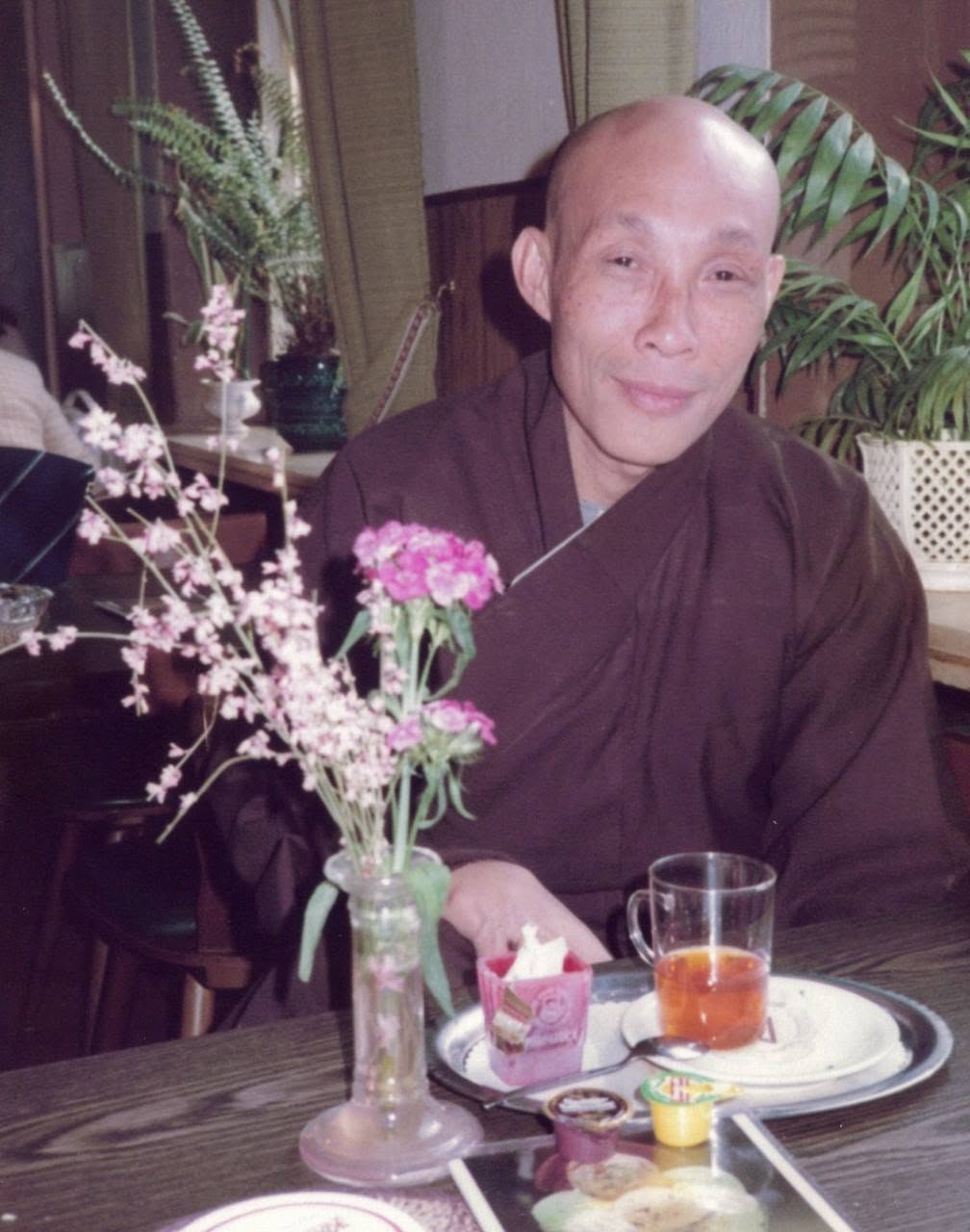
For more than six decades of devoted presence in Buddhist life, from his early days as a novice who entered monastic life in his native Bình Thuận to becoming a respected elder in Vietnamese and international Buddhist communities, his life was a long journey of learning, practice, dedication, and service. The many works he initiated, the Buddhist centers and communities he nurtured, the generations of monastics and lay Buddhists he guided, and his lifelong commitment to safeguarding and upholding the Dharma all contributed to a lasting and meaningful legacy for Vietnamese Buddhism in the diaspora.
His lay name was Lê Minh Tâm, and he was born on January 18, 1940, in Thanh Lương Village, Chí Công Commune, Tuy Phong District, Bình Thuận Province. He was raised in a family with a longstanding tradition of faith in and devotion to the Three Jewels. His father was Lê Minh Quang, who later entered the monastic life and received the Dharma name Thích Minh Hữu; his mother was Hồ Thị Lang, whose Dharma name was Nguyên Mỹ.
It was in this family environment, deeply imbued with faith in the Buddha Dharma, that the seed of renunciation was planted early in the heart of young Lê Minh Tâm. In 1949, at the age of just nine, he left his family home and entered monastic life at Bửu Tích Pagoda in Hòa Đa, Bình Thuận, where his Preceptor bestowed upon him the Dharma name Nguyên Cảnh. From that first step through the gate of monastic life, his life took a new direction: taking the Three Jewels as his refuge, Buddhist study and practice as his foundation, and service as his life’s guiding ideal.
The early years of his monastic life were a formative period during which he was trained both in spiritual cultivation and in the foundations of Buddhist learning. In 1953, he went to Nha Trang to pursue his studies at the Sangha Training Institute of Hải Đức Buddhist Institute. Within the Buddhist educational environment of the time, he devoted himself to the study of Buddhist scriptures, monastic discipline, and the Dharma, while gradually maturing in the disciplined and dignified way of life of a monastic.
From 1962 to 1967, he served as a Dharma Lecturer for the Unified Buddhist Church of Vietnam in Phú Yên Province, while also teaching at Bồ Đề Tuy Hòa High School. From 1965 to 1967, he served as Principal of Bồ Đề Nguyên Thiều High School in Bình Định.
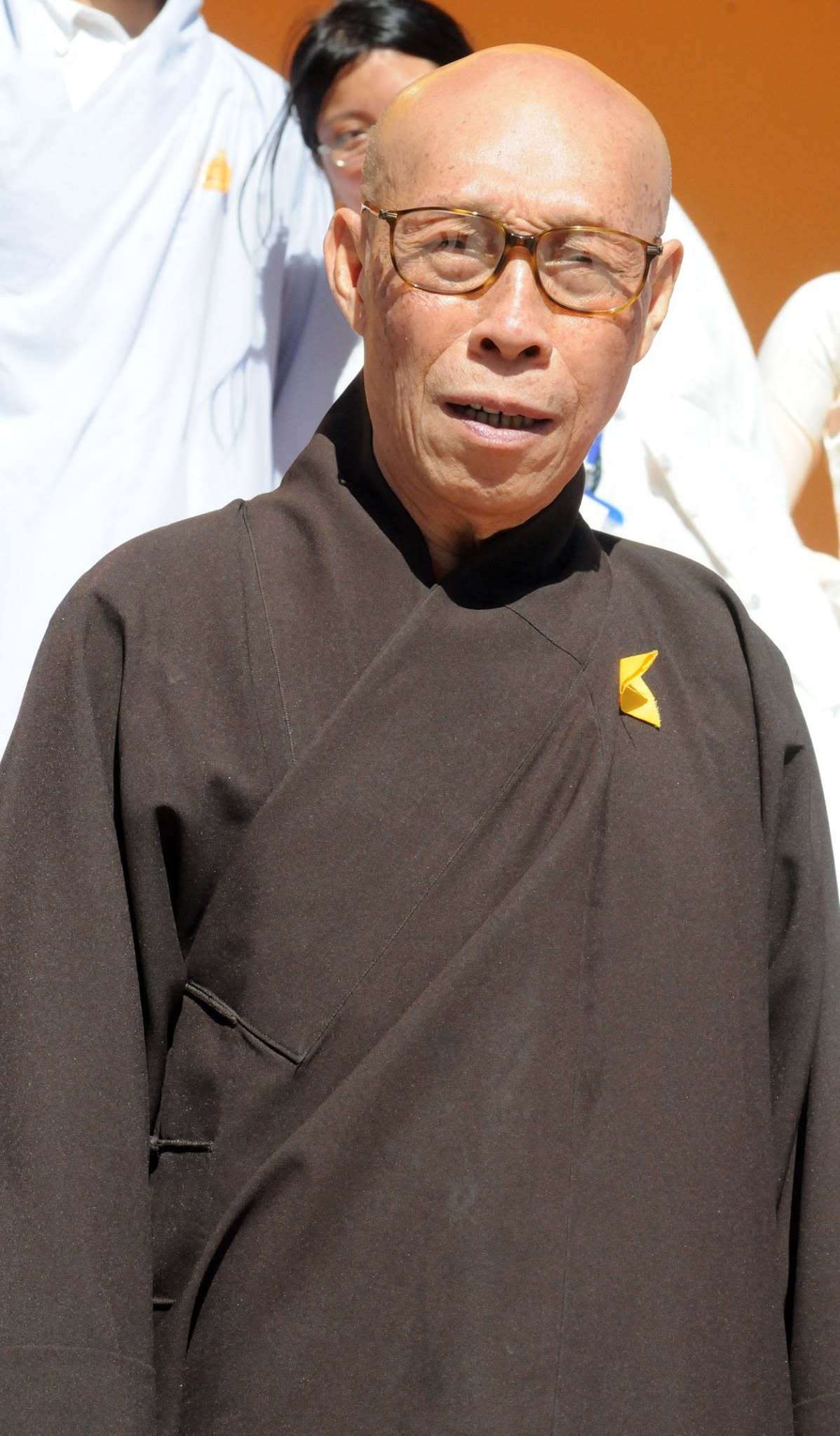
This was an important period that clearly reflected a prominent aspect of his aspiration: to propagate the Dharma not only through his teachings, but also through the education and cultivation of people. A Dharma talk may help listeners gain a deeper understanding of a Buddhist teaching, but a truly meaningful education can help shape the character of an entire generation. For him, therefore, education and Dharma propagation were not two separate paths. Education was the planting of seeds of virtue; Dharma propagation was the nurturing of those seeds so that Buddhist teachings could become a way of life. During those years of profound social upheaval in Vietnam, a monastic’s commitment to education carried an even greater significance, for it was not merely a matter of imparting knowledge, but also of helping to cultivate character, awaken ideals for living, and foster a sense of responsibility toward society.
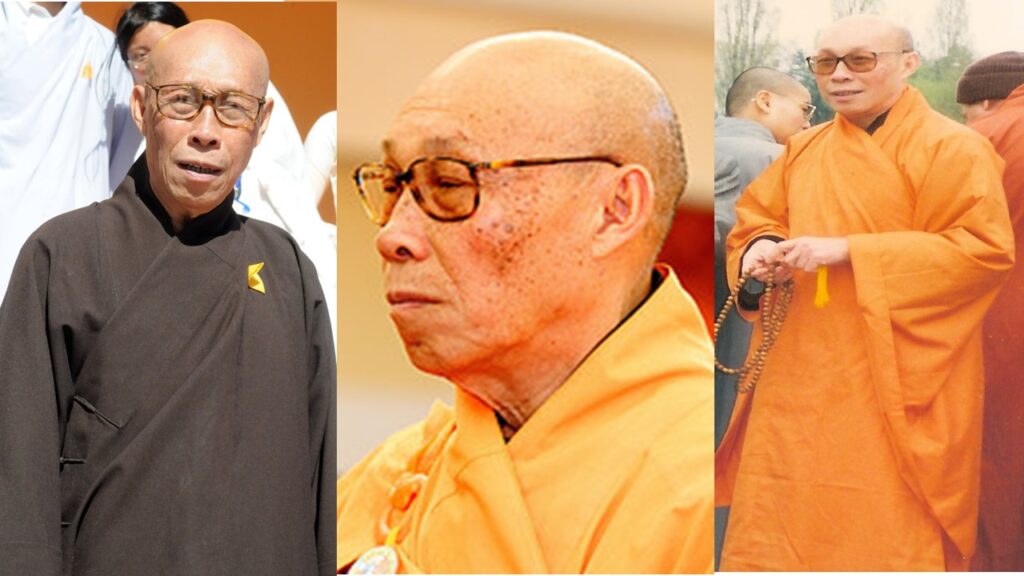
In 1967, after receiving full Bhikkhu ordination, he entered a new phase of his monastic and scholarly journey by traveling to Japan. From 1967 to 1968, he studied the Japanese language in Tokyo. From 1968 to 1973, he continued his studies in Buddhist Studies and Buddhist philosophy at Rissho University in Tokyo. His years in Japan not only broadened his academic knowledge but also enabled him to experience a long-established Buddhist culture, observe the ways in which Buddhist life and activities were organized in a different society, and gain further experience in fostering community life. Alongside his studies, he also took part in organizing Buddhist activities for the Vietnamese community in Japan. These experiences later became invaluable preparation for his journey to France, where the Vietnamese community was gradually establishing a stable life and increasingly needed a space that could serve spiritual, cultural, and communal purposes.
In 1973, he left Japan and traveled to France. This marked a major turning point in his life of Dharma practice and service. Upon arriving in a country far from his homeland, where the Vietnamese community was still gradually establishing a stable life, he soon recognized that Vietnamese people living abroad needed more than a place of worship. They also needed a spiritual home—a place where the Vietnamese language, Buddhist chanting, the bonds of the Dharma, fellowship among compatriots, and cherished cultural values could be preserved and passed down through generations.
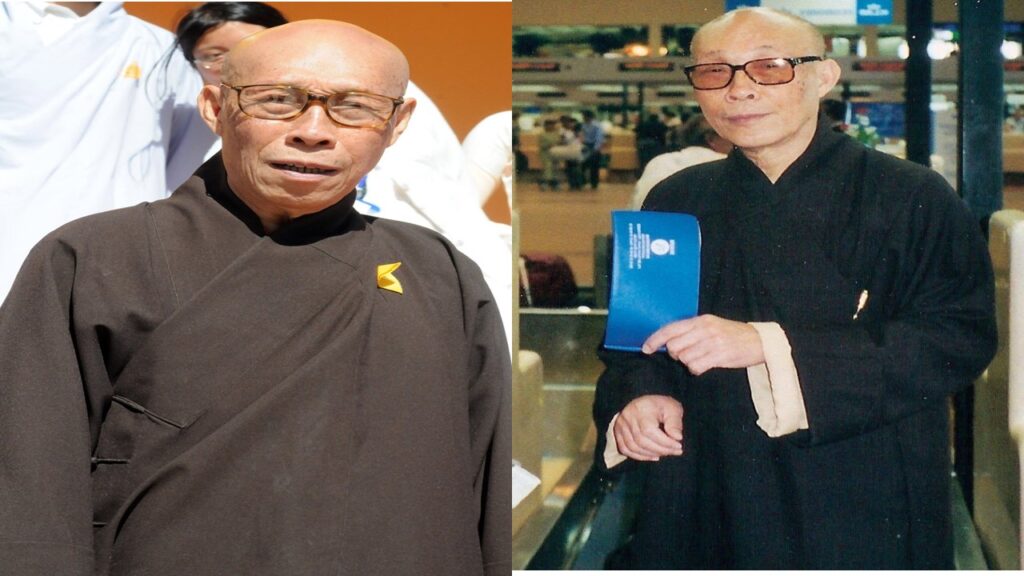
From this understanding, in 1974, he founded Khánh Anh Buddhist Practice Center (Niệm Phật Đường Khánh Anh) in Arcueil. From its humble beginnings as a modest place of Buddhist practice, Khánh Anh gradually became a gathering place for monastics, lay Buddhists, and Vietnamese compatriots. In 1977, the center was relocated to Bagneux, on Avenue Henri-Barbusse, to accommodate the community’s growing needs. On February 19, 1979, the groundbreaking ceremony for the construction of the Main Buddha Hall in Bagneux was held.
Looking back on that journey, it becomes clear that Khánh Anh was not merely the name of a temple. Above all, Khánh Anh was the embodiment of a profound aspiration. From a small Buddhist practice center to a larger Buddhist institution; from a place of worship to a center for Buddhist practice and learning; and from a practice center to a hub of community life, each stage reflected the sustained dedication and painstaking efforts that the Venerable Master devoted to nurturing and developing it.
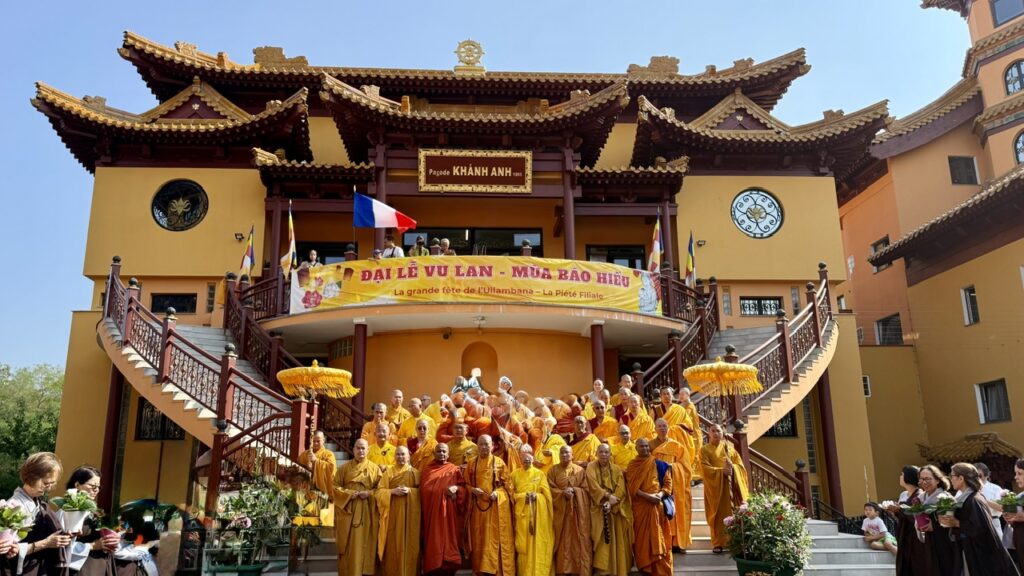
He understood that, for people living far from their homeland, a temple needed to be more than simply a shelter and a Main Buddha Hall. It also had to be a place where people could find peace, where children could learn about their heritage and traditions, where the elderly could once again hear the familiar sounds of Buddhist chanting and the Vietnamese language, where monastics could have a supportive environment for spiritual practice, and where the community could come together in the bonds of the Dharma.
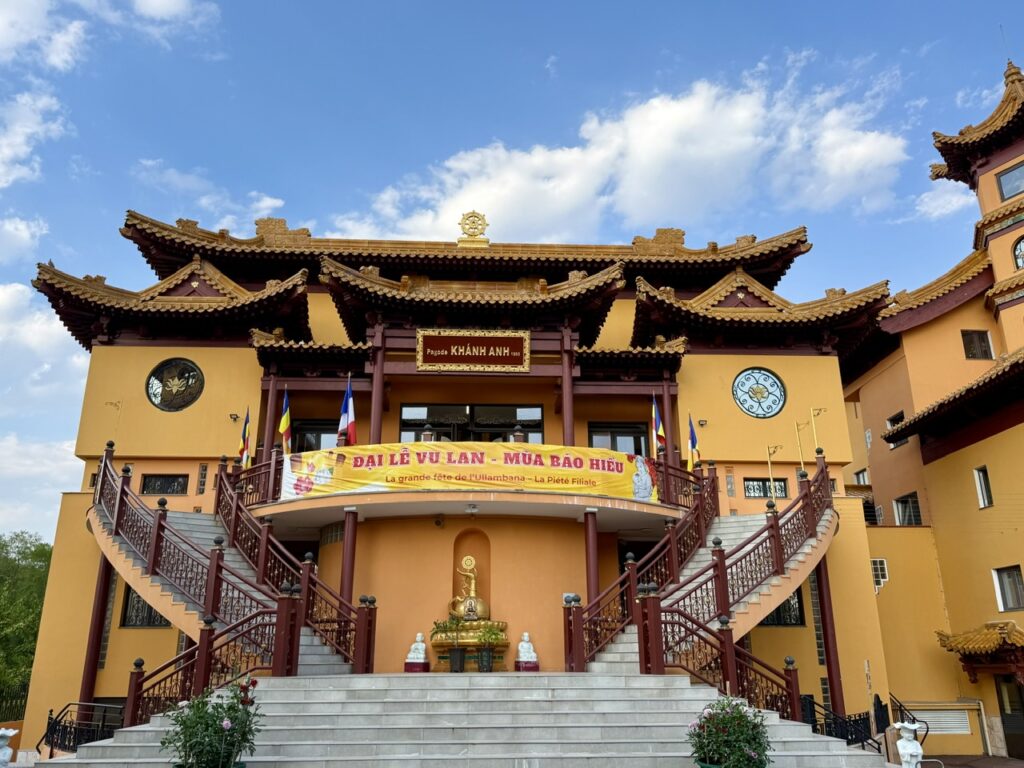
From Bagneux, an even greater aspiration gradually took shape: to build a grand Buddhist temple spacious enough to serve as a center for Buddhist practice, learning, and community life for the Vietnamese community in France and throughout Europe. On June 18, 1995, the groundbreaking ceremony for the construction of Khánh Anh Grand Pagoda in Évry was held.
This was a project to which the Most Venerable Master devoted tremendous effort and energy, mobilizing support, overseeing its construction, and guiding monastics, lay Buddhists, and the wider community in bringing it to fruition. A great undertaking could not be completed overnight. It required time, financial resources, human resources, and above all, a faith strong enough to enable people to persevere through the long years. Such was the aspiration that the Venerable Master made and steadfastly upheld.
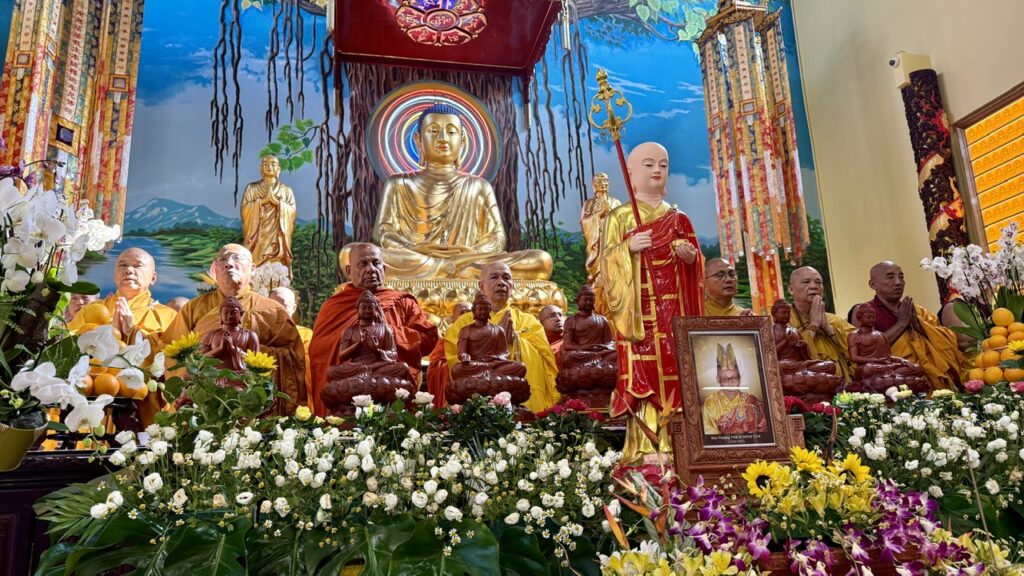
He built not only for his own generation, but also for those who would come after. The project continued to be developed and completed over many years, carried forward by successive generations after his passing. In 2008, His Holiness the Dalai Lama came to the site to attend and witness the ceremony while the Grand Pagoda was still under construction. After many years of construction, the Grand Pagoda officially opened its doors to the public in 2016.
The event carries a profound meaning: those who sow the seeds of great aspirations do not necessarily have to live to see them blossom. The person who initiates a great undertaking may not live to see it completed, but if the aspiration is strong enough and passed on in the right way, future generations will continue to nurture it and help those seeds grow.
Khánh Anh Grand Pagoda is therefore not merely an architectural structure. It is a Buddhist practice center—a place where monastics study and practice, where Buddhists return for spiritual nourishment, and where retreats, major Buddhist ceremonies, and other religious activities are held. At the same time, it serves as an important cultural gathering place for the Vietnamese community. Over time, the pagoda has transcended the meaning of a mere place of worship to become a space for religious practice, education, culture, and community life. In this broader sense, the Khánh Anh project can be regarded as one of the most significant legacies of Most Venerable Thích Minh Tâm’s lifelong dedication to propagating the Dharma.
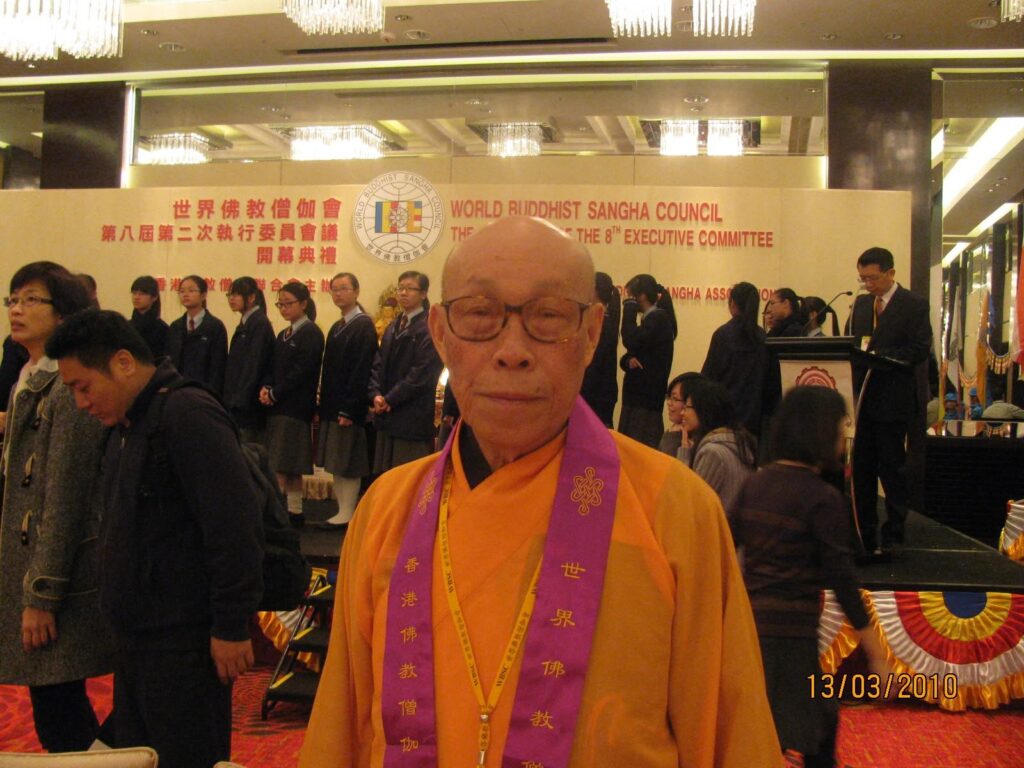
If building a pagoda means creating a place where the Dharma can flourish, then building the Sangha means nurturing the people who will carry the Dharma forward. This was an aspect to which Most Venerable Thích Minh Tâm paid particular attention. At a time when the Vietnamese community was dispersed across many European countries, maintaining Buddhist life and activities in the Vietnamese language required connections among temples, monastics, and lay Buddhists that transcended geographical boundaries. He played an important role in the formation and development of the Unified Buddhist Congregation of Vietnam in Europe, and later served as Chairman of its Executive Council.
For Most Venerable Thích Minh Tâm, the Buddhist Congregation was not merely an organizational structure. It was meant to be an environment in which the Sangha could be sustained, Buddhists could find refuge, the tradition could be preserved, and future generations could have the opportunity to grow and mature. In 1983, he was elevated to the rank of Senior Venerable. In 1999, in Oslo, Norway, he was elevated to the rank of Most Venerable and was also invited to assume an important leadership responsibility within the Liễu Quán lineage overseas. These responsibilities reflected the respect and trust placed in him by the monastic community, recognizing him as a senior elder who had devoted many decades to Buddhist study, practice, and service.
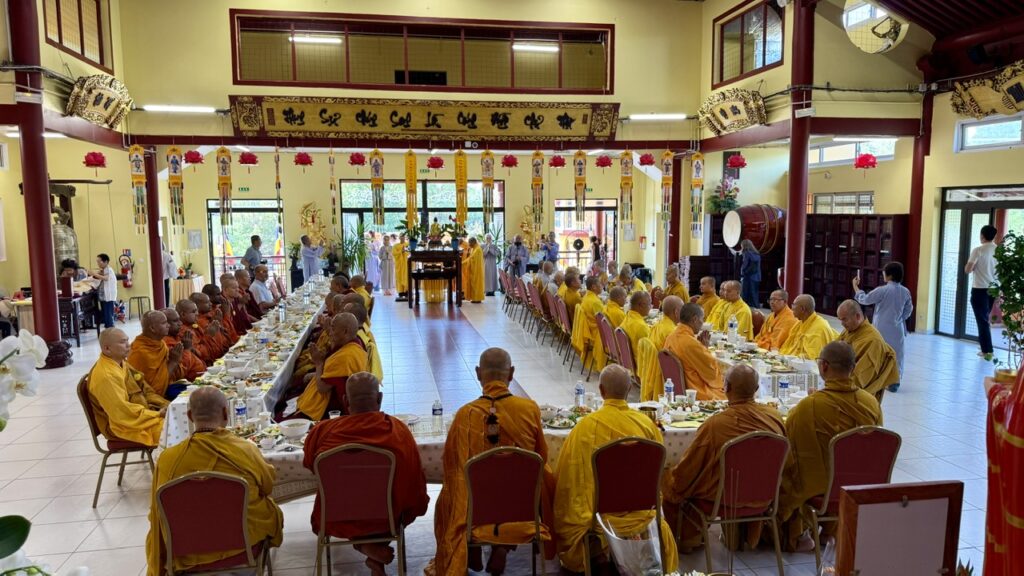
One of the Most Venerable Master’s most precious legacies lies not in the walls of a temple, but in the people whom he guided and nurtured. He understood that a temple truly comes alive only when there are people dedicated to the practice and study of the Dharma; that a Buddhist organization can have a future only when there is a succeeding generation; and that the Dharma can truly be propagated only when its teachings become integrated into people’s daily lives.
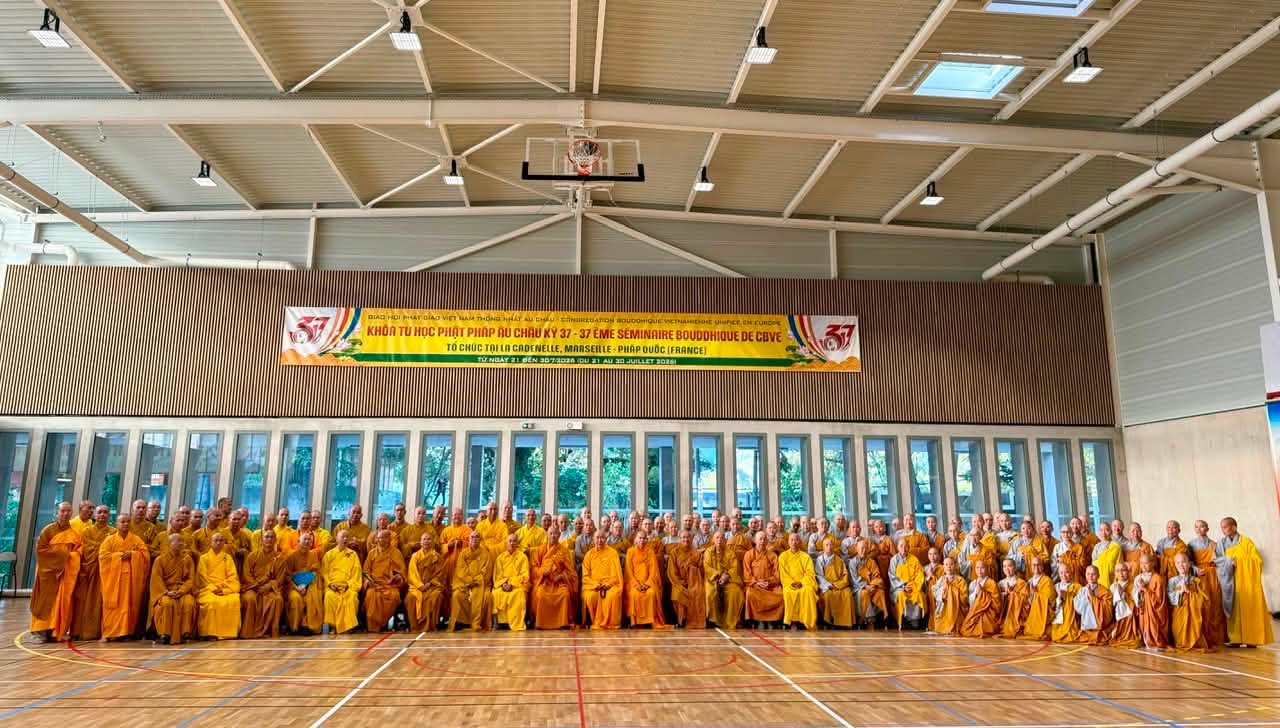
At Khánh Anh, he organized numerous activities for the study and practice of the Dharma, bringing together monastics and lay Buddhists. These activities continued to grow over the years and contributed to the establishment of the European Buddhist Dharma Study Retreat, which has been held in numerous editions and has become an important gathering place for Vietnamese monastics and Buddhists from many different countries.
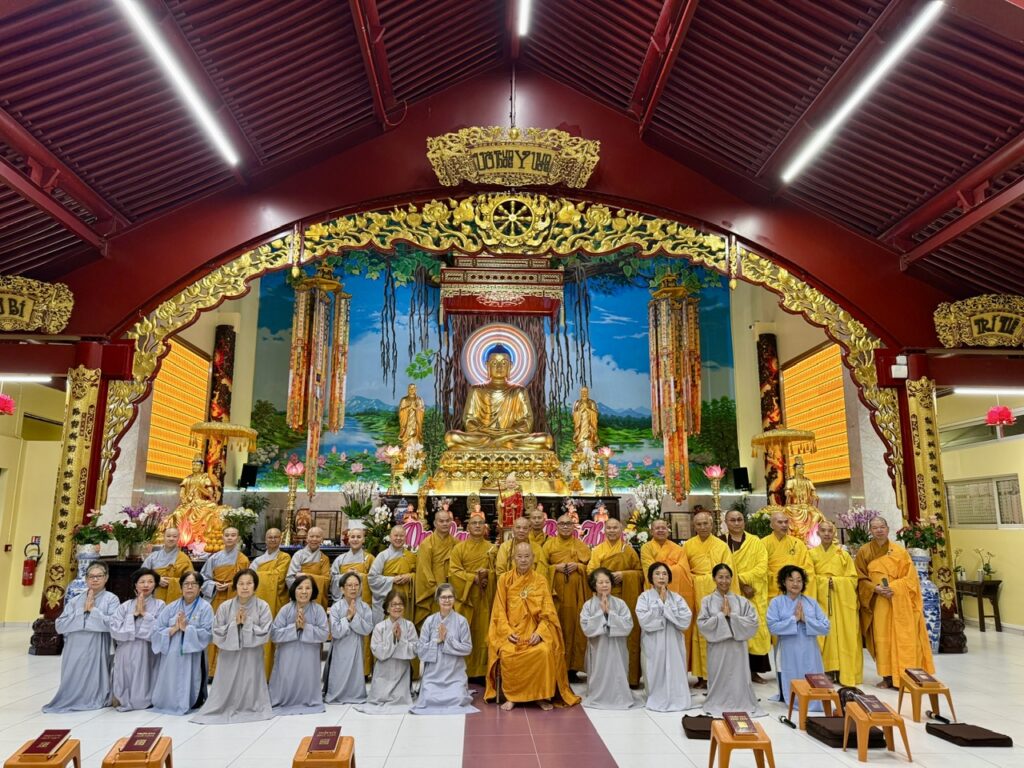
The retreats were not merely places to study Buddhist teachings. They were also places where people learned how to live together, nurture the bonds of brotherhood and sisterhood, overcome geographical distances, and work together to preserve the Vietnamese language, culture, and Buddhist traditions in an environment far removed from their homeland. Through these activities, a deeply connected Vietnamese Buddhist community gradually took shape across Europe.
At numerous Great Ordination Ceremonies in the United States, Canada, Australia, and Europe, he was also invited to undertake important responsibilities in the ordination ceremonies and in the education and training of monastics. These responsibilities reflected the breadth of his influence, which extended far beyond Khánh Anh and France to Vietnamese Buddhist communities around the world.
The Most Venerable Master’s activities and influence gradually extended beyond the Vietnamese Buddhist community into the international Buddhist arena. From 2006 until his passing in 2013, he served as Vice President of the World Buddhist Sangha Council (WBSC). On July 8, 2011, in Colombo, Sri Lanka, he was presented with an honorary award by the World Buddhist Sangha Council and the Government of Sri Lanka in recognition of his significant contributions to the propagation of the Buddha Dharma in Europe and the United States.
In the final year of his life, he also served as President of the Supreme Council of Buddhist Elders in France. From a young novice who entered monastic life in Bình Thuận, his journey took him through Vietnam, Japan, France, and various international Buddhist communities. Yet what was most precious was not the accumulation of titles and positions, but the way in which, through every responsibility entrusted to him, he continued to draw upon his reputation, experience, and spiritual aspirations to build connections, strengthen the community, and selflessly serve the Dharma.
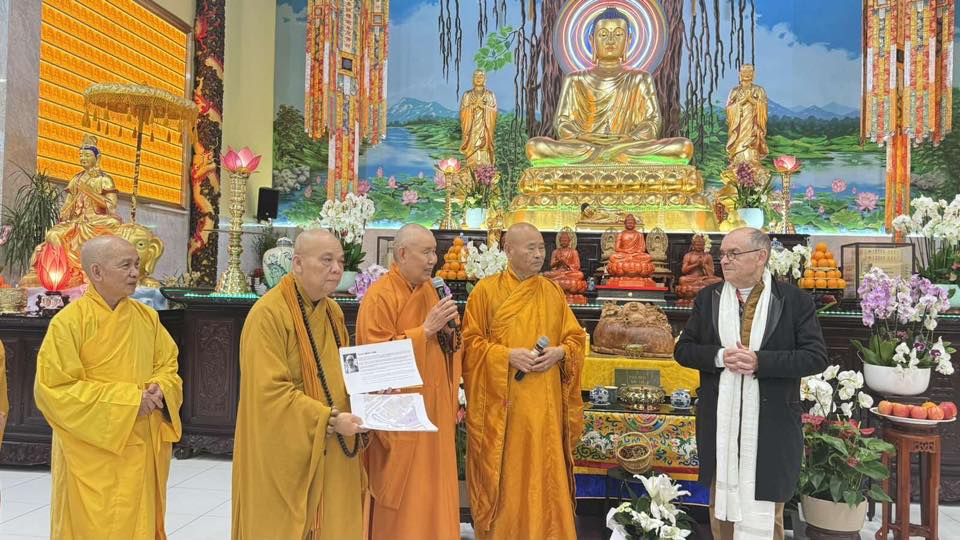
Another important aspect of the Venerable Master’s life and work was his deep concern for religious freedom, the spiritual well-being of the Vietnamese community, and the challenges facing Vietnamese people in the diaspora. For a monastic, protecting the Dharma does not necessarily mean merely safeguarding a temple. It also means preserving the environment in which people can study and practice the Dharma, enabling communities to freely uphold their faith, and ensuring that their traditions can be carried forward to future generations.
Thus, throughout his life, one can see the harmonious integration of many aspects that may at first appear distinct, but which in essence were all guided by a single aspiration: spiritual cultivation and education, the propagation and protection of the Dharma, building temples and nurturing the Sangha, serving the Buddha Dharma and serving the community.
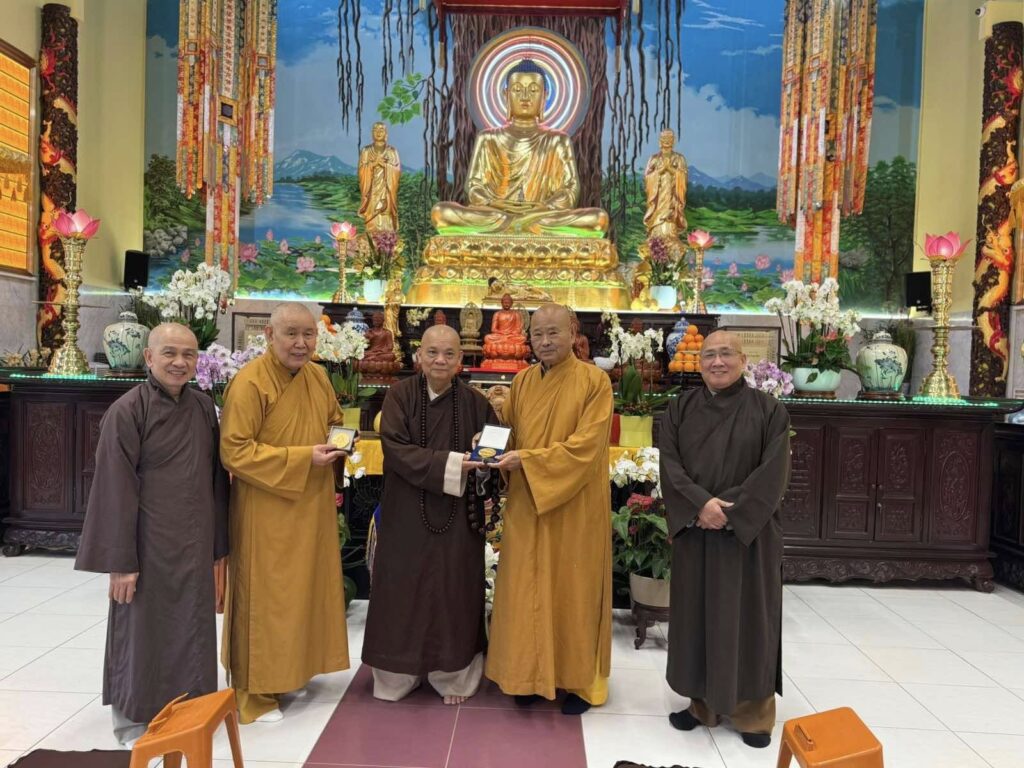
Looking back over more than four decades of Khánh Anh’s formation and development, one could say that the history of Khánh Anh has, in many ways, reflected the entire journey of the Most Venerable Thích Minh Tâm’s Dharma propagation. From Arcueil in 1974 to Bagneux in 1977, and then to the Khánh Anh Grand Temple in Évry beginning in 1995, Khánh Anh has journeyed alongside and grown with the Vietnamese Buddhist community in France.
From a once-small and emerging community, the Vietnamese gradually established a more stable life. From the initial need for places of worship, the community gradually developed a deeper need for Buddhist study and practice; from Buddhist practice emerged spiritual communities; and from these communities came the Sangha and organized Buddhist institutions.
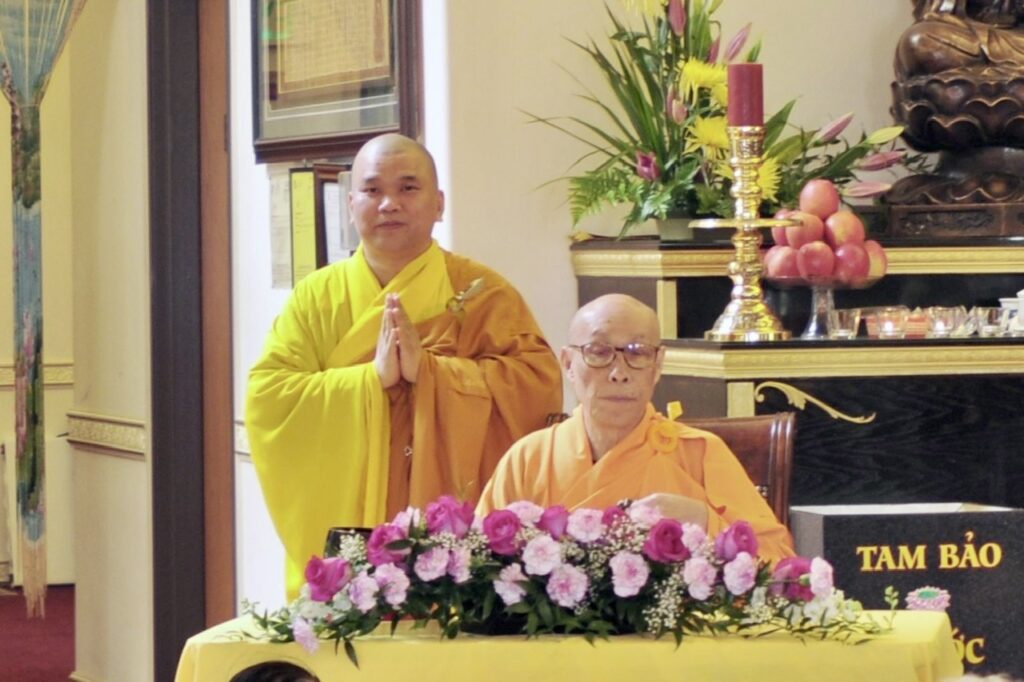
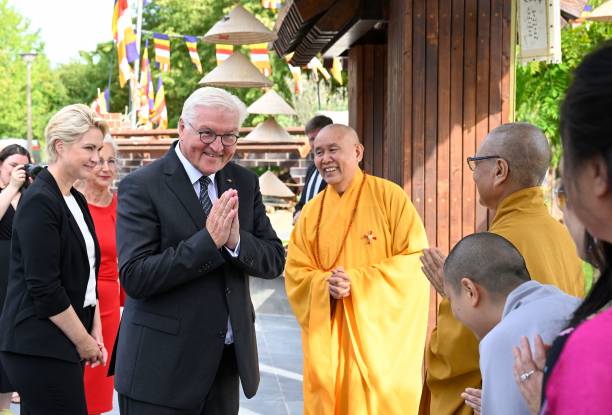
Venerable Thích Trừng Sỹ and the Most Venerable Thích Minh Tâm at Cổ Lâm Pagoda, 2011
Thus, Khánh Anh can be understood on three interconnected levels of meaning: building temples to establish places for Buddhist practice; nurturing these communities to sustain the Sangha and the wider Buddhist community; and nurturing the community so that the Dharma may continue to be transmitted from one generation to the next.
In 2013, while attending the European Buddhist Dharma Study Retreat in Turku, Finland, the Most Venerable Master fell ill and was hospitalized. After a period of treatment, at 9:29 a.m. on August 8, 2013, French time—equivalent to 10:29 a.m. Finnish time—he peacefully entered Nirvana in Turku, Finland. According to commemorative records, he passed away at the age of 75, having spent 64 years in the Buddhist life and 46 years in the monastic Sangha. His passing was a profound loss to the Unified Buddhist Church of Vietnam in Europe, to Vietnamese monastics and Buddhists in France, and to Vietnamese Buddhist communities in many countries around the world.
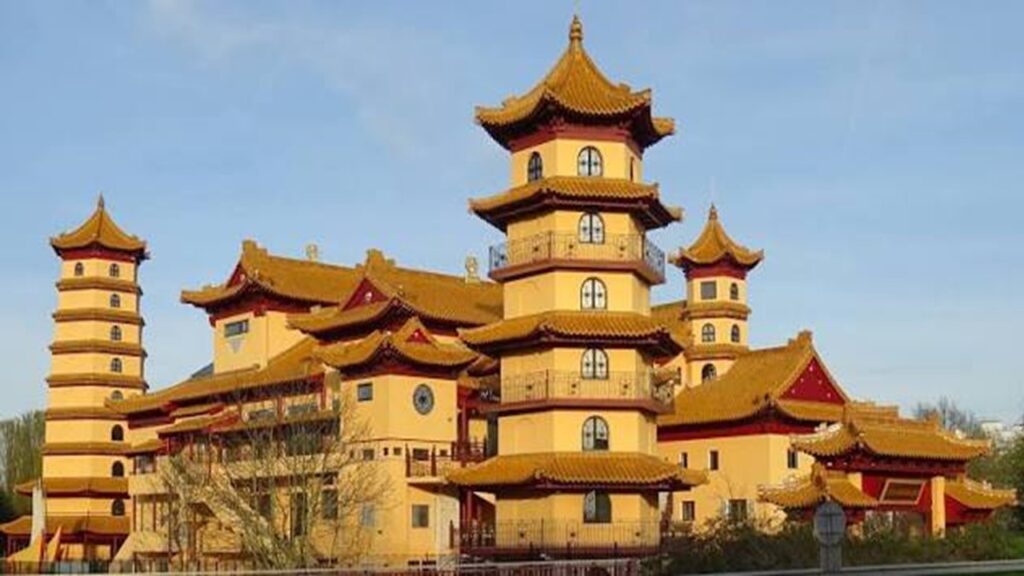
Yet the passing of a true practitioner does not mean the end of a sacred aspiration. What has been cultivated through sincere devotion to the Dharma and selfless service continues to live on in the hearts of others. He left behind Khánh Anh Grand Pagoda, Buddhist practice centers, a living tradition of Buddhist study and practice, generations of monastics and lay Buddhists, a Buddhist institutional tradition, and a spirit of service to the community. These values cannot be measured in material terms or by titles and honors, because the greatest legacy of a venerable elder ultimately lies in the people whose lives he has touched and shaped.
A pagoda may be built of bricks and stone, but for it to become a true Buddhist practice center, it needs people. An organization may be established through formal documents, but for the Buddhist Church to remain vibrant, it needs people who preserve their devotion to the Dharma and uphold the spirit of harmony. A tradition may be transmitted through scriptures and teachings, but for that tradition to remain alive, it needs successive generations to carry it forward through their own lives of Buddhist study and practice.
Therefore, carrying on the legacy of Most Venerable Thích Minh Tâm means more than preserving a physical structure. Above all, it means upholding a life of Buddhist study and practice, maintaining ethical discipline, building a harmonious Sangha, nurturing and training future generations, propagating the True Dharma, serving the community, and preserving the Vietnamese Buddhist tradition in the diaspora.
In particular, even after his passing, the name of Most Venerable Thích Minh Tâm has continued to be honored in public life in France. A particularly significant milestone took place in late 2025 and early 2026, when the city of Évry-Courcouronnes decided to name a section of the road adjoining the grounds of Khánh Anh Grand Pagoda “Rue du Très Vénérable Thích Minh Tâm.” On December 11, 2025, the city council formally approved the renaming; on December 14, 2025, representatives of the city authorities presented the official decision to representatives of the Buddhist Congregation and his disciples and Dharma family; and on February 7, 2026, the street sign was officially unveiled in the presence of representatives of the local authorities, the Essonne Department, senior Buddhist monastics, and the Vietnamese Buddhist community.
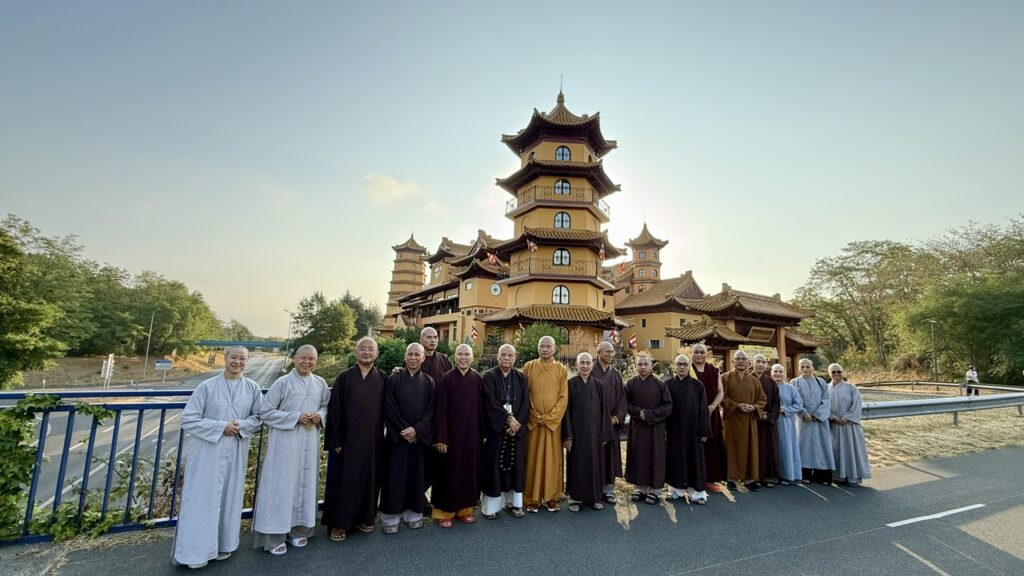
This is an event of particular significance. The name of a Vietnamese Buddhist monk is remembered not only by his disciples and Dharma family, or in the history of Vietnamese Buddhism in the diaspora, but is also commemorated in the public space of a French city. Of particular significance is the fact that this street lies alongside Khánh Anh Grand Pagoda, the very project to which he devoted decades of his life, from its inception to its realization.
If Khánh Anh Grand Pagoda is the tangible embodiment of an aspiration brought to fruition through the efforts of many generations, then the street bearing his name stands as a testament to the recognition bestowed by the local community upon a figure who helped shape its spiritual and cultural life. Perhaps there is no more beautiful form of continuity than this: the builder of the pagoda has passed away, but the pagoda remains; the Buddhist practice center remains; the street remains; and his name continues to be spoken in the everyday life of the city.
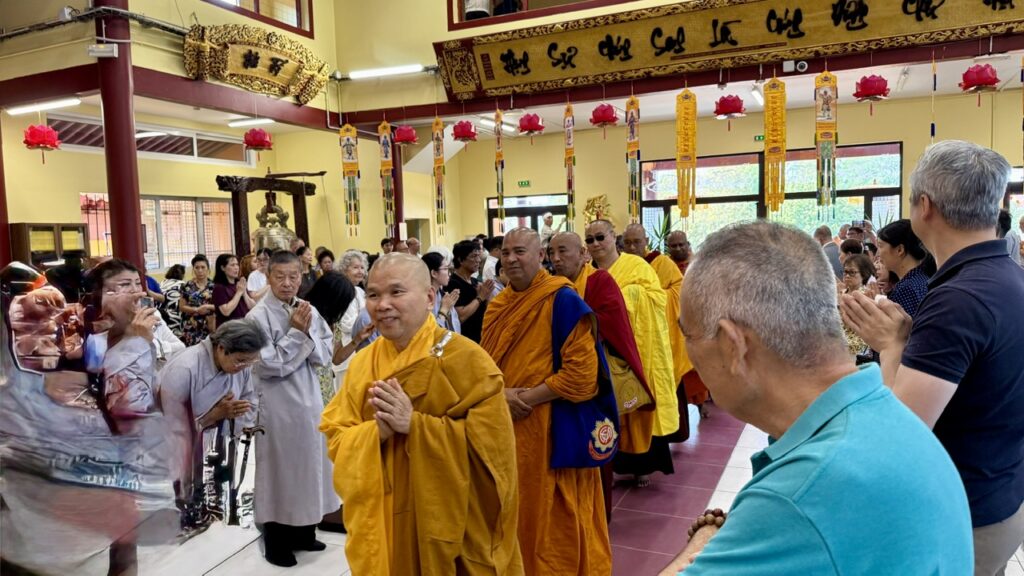
Looking back over the entire life and spiritual journey of the late Most Venerable Thích Minh Tâm, whose birth name was Lê Minh Tâm, Dharma name Nguyên Cảnh, Dharma courtesy name Viên Dung, and Dharma title Minh Tâm, of the 44th generation of the Lâm Tế Chánh Tông lineage and the 10th generation of the Liễu Quán Dharma lineage, one can recognize a life built upon the foundations of spiritual cultivation and devoted service. He was the Founder and Abbot of Khánh Anh Pagoda, former President of the Executive Council of the Unified Buddhist Vietnamese Congregation in Europe, and Vice President of the World Buddhist Sangha Council from 2006 until his passing. He was also a highly respected elder monk and an eminent figure in the Vietnamese Buddhist community overseas.
However, a life of spiritual practice cannot be measured merely by the number of positions held or titles bestowed. A life of service must be seen through what remains after the one who served has departed. In the case of the Most Venerable Thích Minh Tâm, what remains is a great temple, a spiritual center, a community, an enduring tradition of the Vietnamese Buddhist Sangha, generations of monastics and lay Buddhists, and an aspiration that continues to be carried forward.
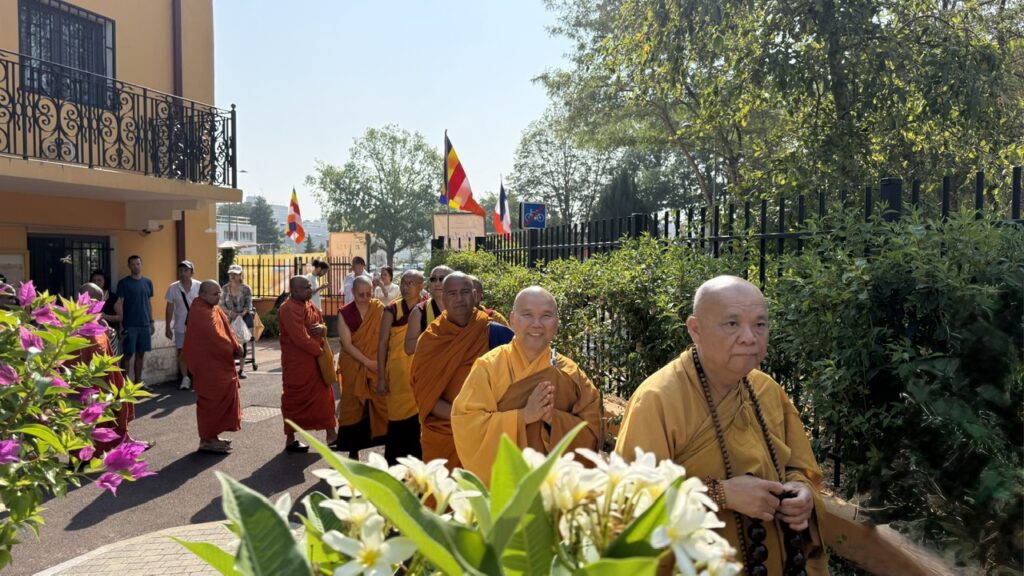
Looking back over his life, we see a journey that stretched from his native Bình Thuận to many lands across the world. From Bình Thuận, he entered the monastic life at a young age. From Nha Trang to Quảng Hương Già Lam, he studied the Dharma, cultivated the body of precepts, and nurtured the life of wisdom. From Phú Yên and Bình Định, he embarked upon a path of Buddhist education and Dharma propagation. From Vietnam to Japan, he broadened his Buddhist studies and deepened his experience in Buddhist service within an international setting. From Japan to France, he began a new chapter in his journey — establishing and nurturing Vietnamese Buddhism in the heart of Europe.
From a small Buddha-recitation Hall in Arcueil, Khánh Anh gradually took shape in Bagneux and eventually developed into a great temple in Évry. From a Buddhist practice center, he helped build a community; from a community, he helped build a Buddhist Sangha; and from France, his influence in Buddhist service extended to many countries across Europe and further into the international Buddhist community.
It was a long journey, but that journey was shaped by far more than material works and physical structures. It was built upon faith, moral discipline, wisdom, perseverance, and a heartfelt aspiration to serve. He departed in accordance with the law of impermanence, yet what he planted continues to endure. Khánh Anh remains a place where monastics and lay Buddhists return. The practice center continues to thrive. The Dharma continues to be transmitted. The generations that follow continue to carry the path forward. And today, a road bearing his name stands beside the great temple whose construction he had aspired to undertake. This is the profound meaning of continuity and succession.
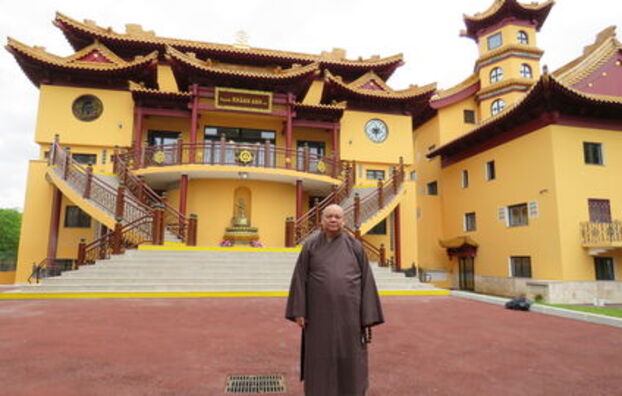
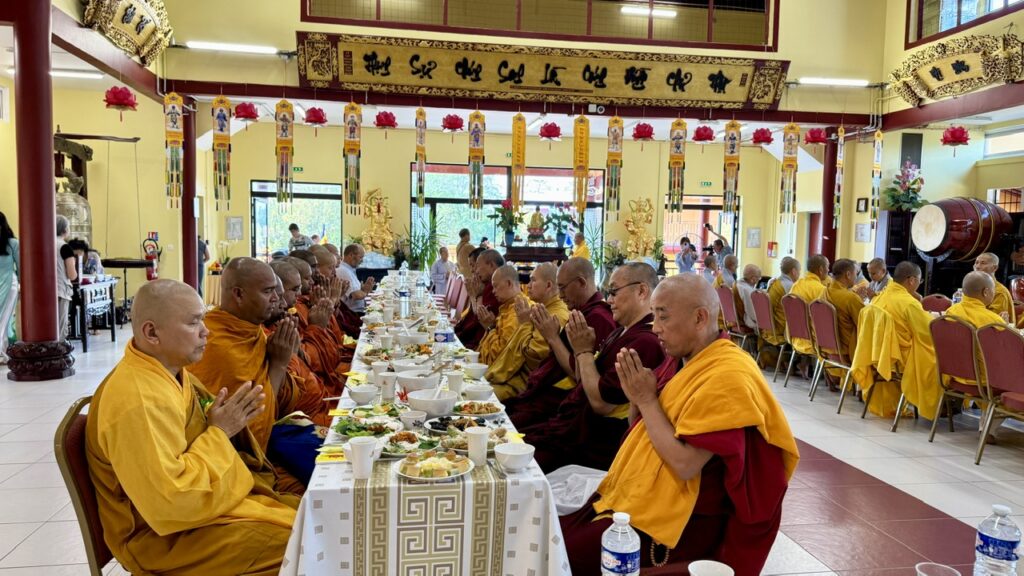
The one who sows the seed does not necessarily have to see the whole forest. The one who builds a Buddhist practice center does not necessarily have to witness every generation grow and flourish. The one who opens the way does not necessarily have to walk the entire path. What matters is that the path has been opened.
The Most Venerable Thích Minh Tâm opened such a path—from Bình Thuận to Nha Trang, from Vietnam to Japan, from Japan to France, from Arcueil to Bagneux, from Bagneux to Évry, from a temple to a community, from a community to a Buddhist Sangha, and from one lifetime to a legacy carried forward through generations.
Today, when we see the street sign Rue du Très Vénérable Thích Minh Tâm beside Khánh Anh Grand Pagoda, we may read it as a sign of time: a street bearing his name, a temple bearing his imprint, a Buddhist practice community that continues to flourish, and a generation of disciples who continue to study and practice the Dharma. Together, they form a simple yet profound reminder:
A human life will eventually pass, but a life lived true to its ideals can leave a path for those who come after. Therefore, the most meaningful way for future generations to honor the Most Venerable Master is not merely to recount the institutions He established or the responsibilities He once shouldered. Rather, it is to continue living by the values He devoted His entire life to nurturing: the spirit of Buddhist learning and practice, the steadfast observance of the precepts, the aspiration to build a harmonious Sangha, the dedication to cultivating and training future generations, the noble ideal of propagating the True Dharma, the spirit of selfless service to the community, and the commitment to preserving the Vietnamese Buddhist tradition in the diaspora.
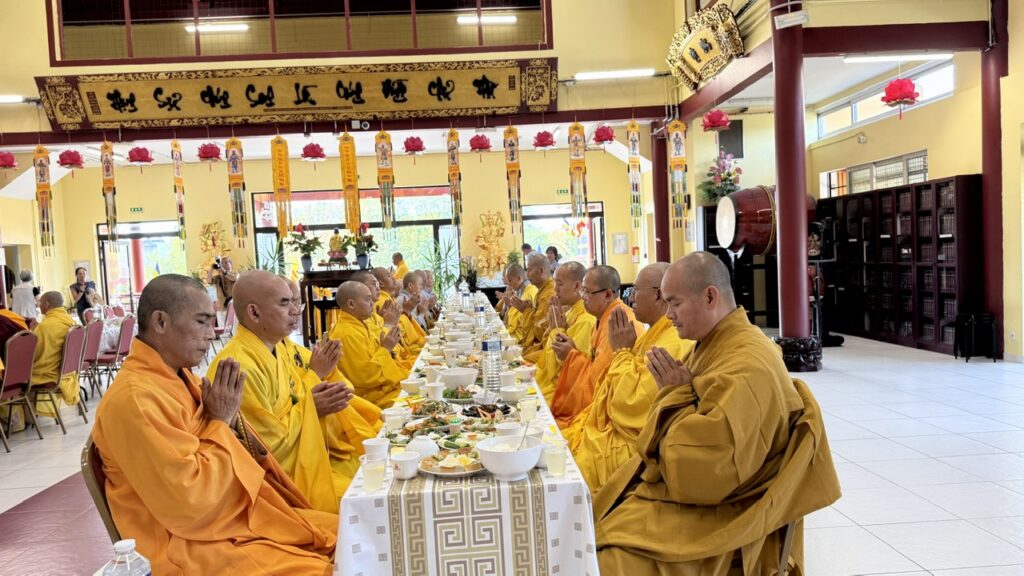
He has passed from this life, but the path He opened remains. The temple He established remains. The Dharma center He nurtured remains. The fragrance of the Dharma He left behind still lingers. And today, His name has become a part of the land of France—the place where He devoted the final years of His life to serving the Buddha-Dharma and the community.
The lotus rises from the mud yet remains unstained by it. A practitioner passes through this life and leaves behind the fragrance of the Dharma. Perhaps this is also a beautiful image through which to contemplate the life of the late Most Venerable Elder Master Thích Minh Tâm: a life lived amid the changing tides of history, yet with a heart and aspiration ever devoted to the Three Jewels; a life devoted to practicing and spreading the Dharma in a foreign land, while always carrying within it a deep love for his homeland and the aspiration to propagate the Buddha-Dharma; a life of building and laying foundations through the hands of the present generation, yet guided by a vision for generations to come. And so, when we remember the Most Venerable Master today, we are not merely remembering an eminent elder who has passed into Nirvana; we are also remembering a sacred vow and aspiration that continues to live on.
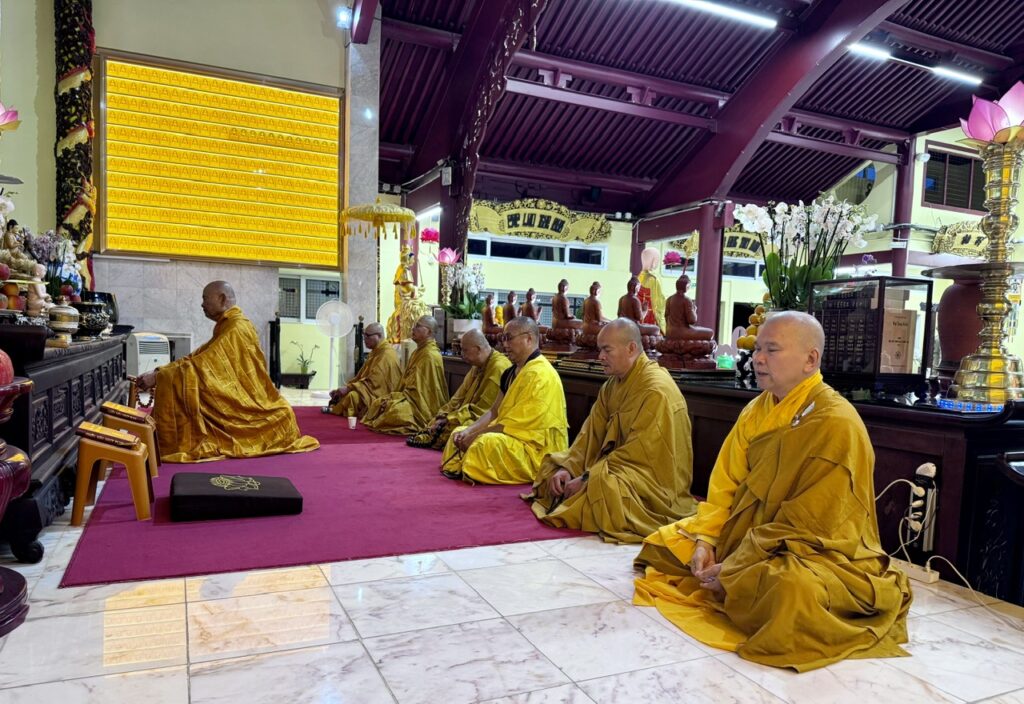
May the merits of the late Most Venerable Elder Master Thích Minh Tâm’s lifelong practice and study of the Dharma, propagation of the Buddha-Dharma, and selfless service be dedicated as wholesome causes and conditions for the benefit of all beings throughout the Dharma realm. May the True Dharma endure, may the Sangha remain harmonious, and may Buddhists diligently advance on the path of practice. May future generations remain steadfast in their faith and aspiration, carry forward the noble vows of those who came before them, and help the light of the Buddha-Dharma continue to shine throughout our homeland and across the world.
May the vow of selfless service that the Most Venerable Master cultivated throughout His life be carried forward with purity of heart, wisdom, fraternal love, and a deep sense of responsibility toward the Three Jewels and the community, so that the path He opened may continue to be illuminated by sincere and devoted footsteps.
May the Khánh Anh Grand Temple forever remain a pure and tranquil Dharma center, a spiritual home for Vietnamese monastics and Buddhists in Europe; a place that nurtures Buddhist faith and aspiration, strengthens fraternal bonds, and preserves the living heritage of Vietnamese Buddhism in the diaspora. May Vietnamese Buddhism abroad continue to flourish in the spirit of compassion, wisdom, harmony, and selfless service, while preserving the noble traditions of those who came before us and integrating harmoniously into the societies in which we live. Above all, may the sacred aspirations of the late Most Venerable Elder Master be carried forward through sincere practice, a pure life, and a spirit of selfless service; may the fragrance of the Dharma He left behind never fade with the passing of time, but continue to spread far and wide, illuminating and nurturing generations to come.
In light of what has been presented above, as those who come after him and inherit his legacy, we make a collective aspiration to continue learning, practicing, and embodying the noble values that the late Most Venerable Thích Minh Tâm devoted himself to cultivating and transmitting to future generations. These values are expressed not only through a dignified and expansive Buddhist architectural complex, serving Buddhists as well as those who have not yet had the opportunity to encounter the Buddha Dharma, but also through a path of Buddhist education, practice, and the propagation of the Right Dharma that he established here at this sacred monastic center.